Why Roof Inspections Matter So Much on Staten Island’s Coast
Roof inspections are not optional for homeowners living along Staten Island’s coastline – they are a necessity. Neighborhoods like Midland Beach, South Beach, New Dorp Beach, and Oakwood Beach sit directly in the path of salt-laden wind, storm surge, and punishing freeze-thaw cycles that quietly attack shingles, flashing, and flat roofing membranes year-round. Homeowners of coastal properties face layered environmental stress from the ocean that inland homes simply never encounter. A small, undetected leak today can become a major structural repair, a mold crisis, or an insurance dispute within months. The solution is straightforward: scheduling a regular, professional roof inspection with experienced roofers and trusted roofing companies prevents expensive surprises and protects your property value before damage spreads to ceilings and walls.
Key Takeaways
- Coastal Staten Island homes face extra roof stress from salt air, high winds, and storm surge, making regular roof inspections critical for preventing structural damage and leaks.
- Early detection of roof damage through professional inspection saves money, protects against mold and water intrusion, and extends the overall lifespan of your roofing system.
- Inspections are especially important after Nor’easters, hurricanes, or heavy winter storms that routinely hit Staten Island’s shoreline neighborhoods.
- Hiring a local, honest roof inspection company with experience in coastal microclimates and NYC Department of Buildings regulations is the safest way to protect your home and maintain insurance compliance.
How Staten Island’s Coastal Climate Attacks Your Roof
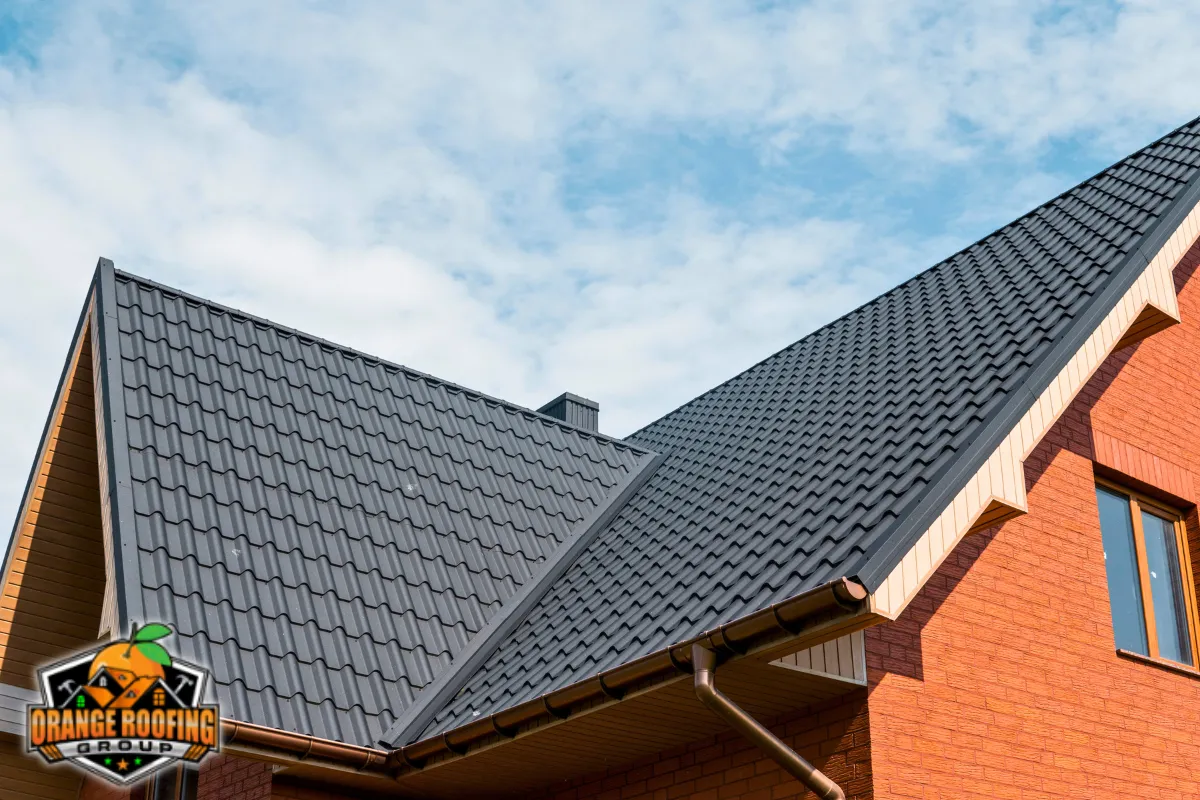
Staten Island is bordered by the Upper Bay, Lower Bay, and the Atlantic Ocean. That geography exposes rooftops – especially along Hylan Boulevard and Father Capodanno Boulevard – to environmental conditions far harsher than anything experienced in inland Manhattan or upstate New York. Coastal areas experience much higher wind speeds than inland regions, and the combination of salt, moisture, and UV radiation creates a relentless assault on every roofing material.
Salt Air Corrosion
The salt-laden atmosphere dramatically speeds up the degradation of roofing infrastructure. Salt air rapidly corrodes vital metal components like flashing and gutters, sometimes showing visible rust on galvanized steel within three to five years of installation. Airborne salt particles act abrasively, prematurely stripping granules off asphalt shingles. Salt and moisture accelerate the shedding of protective granules on asphalt shingles even further, leaving the underlying asphalt exposed to UV rays. High salinity can rust roofing nails and structural fasteners, causing shingle detachment over time. Materials in coastal environments can deteriorate up to 40% faster than inland, which is why a roof inspection schedule that works in Brooklyn may fall dangerously short for a home in Tottenville.
Wind and Storm Damage
Coastal storms and nor’easters bring heavy winds that can loosen or rip off shingles. Severe coastal gusts can break shingle seals and lift roofing material, leaving underlayment exposed. Strong winds force water horizontally under compromised shingles and flashing, which means even a minor gap becomes a leak path. Wind-driven rain and humid conditions make roofs highly susceptible to water intrusion. Hurricane Sandy in 2012 demonstrated how devastating these forces can be – homes across the East and South Shores suffered roof blow-offs, water penetration, and flashing failure. Coastal storms can also puncture roofs and crack structural sealants with debris, and inclement weather and falling tree branches during storms can cause additional damage. Falling tree branches and storm debris are among the most common causes of roof damage during severe weather events.
Flood Zones and Storm Surge
Many Staten Island homes sit within FEMA flood zones AE and VE, where storm surge and wave action compound roof risk. VE zones along the South Shore carry wave hazards that can drive water into soffits, fascia, and roof overhangs during major events.
Freeze-Thaw Cycles and Ice Dams
Staten Island winters subject roofs to drastic temperature shifts that interact with moisture. Ice can expand under shingles, leading to leaks and cracked sealant. Trapped coastal humidity can freeze inside structural cracks and widen them over repeated cycles. Winter snow buildup can cause significant water damage, especially on flat or low-slope roofs where drainage is poor. Intense summer sun degrades the roof membrane faster without protective shingle granules, compounding the damage started by winter conditions.
Why Regular Roof Inspections Are Essential for Coastal Homes
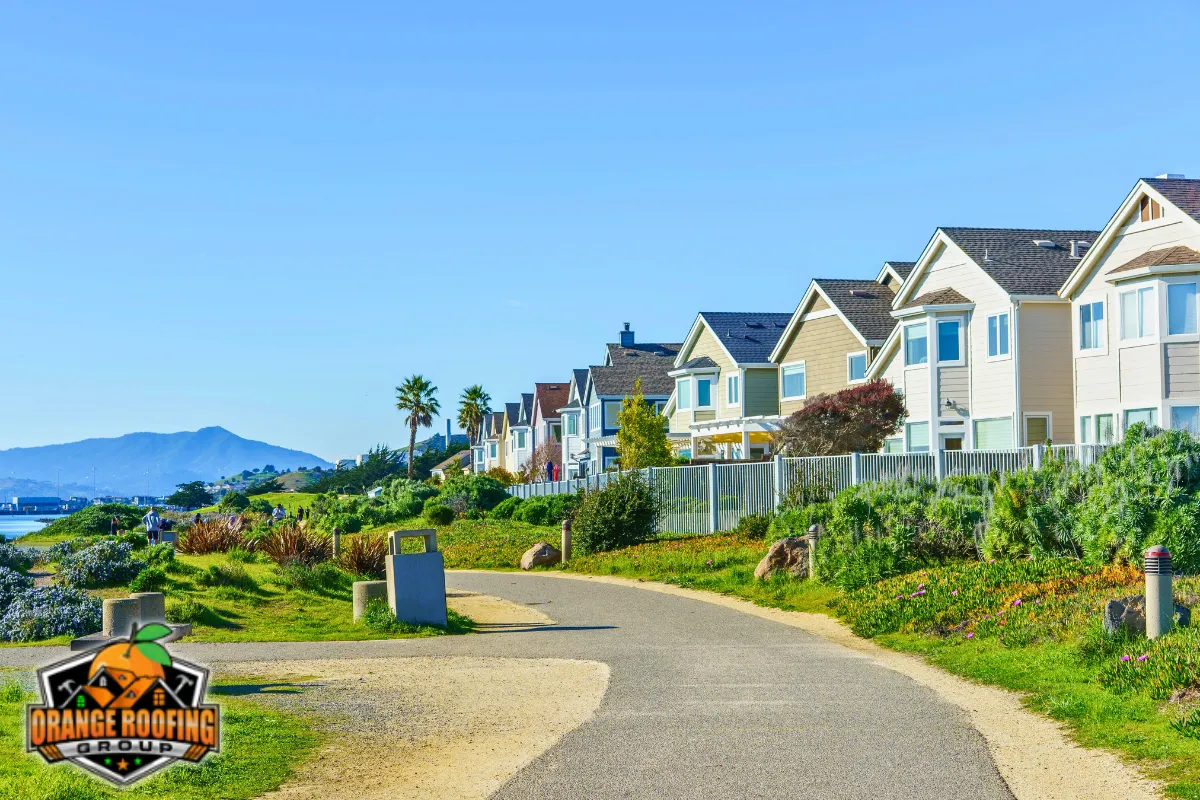
Regular roof inspections are a preventive investment, not simply a reaction to a leaking roof. Key benefits of inspections include preventing saltwater and wind damage before they escalate into emergencies. Identifying issues early prolongs the life of your roof and keeps small problems from becoming structural crises.
Annual inspections can extend a roof’s lifespan significantly. Asphalt shingle roofs that might last 25 to 30 years inland often drop to 15 to 20 years in heavy salt-air zones – but consistent maintenance and professional inspection close that gap. Neglecting roof inspections can lead to severe damage, including rotted decking, compromised rafters, and interior mold. Professional inspections identify hidden issues before they escalate into situations requiring full tear-off and replacement.
Consider the cost difference: replacing a few corroded flashings or resealing around a chimney may cost a few hundred dollars. A full roof replacement on Staten Island can run tens of thousands. Regular roof inspections prevent costly repairs and safety risks by catching these problems while they are still manageable. Routine professional inspections detect hidden saltwater corrosion and mitigate moisture intrusion that visual checks from ground level would miss entirely. Promptly addressing wear can avoid the need for premature roof replacements.
Inspections can also identify organic growths – moss, algae, lichen – that rot roof decking and degrade air quality inside the home. Periodic inspections are critical for preventing severe weather damage in coastal areas where storms arrive with little warning.
Common Coastal Roof Problems Staten Island Roofers See
Certain roof damage patterns show up repeatedly during inspections on Staten Island’s coastal neighborhoods. Experienced roof inspectors know exactly where to look and what to document.
- Shingle issues: granule loss on south-facing and wind-facing slopes, missing shingles after high-wind events, buckling or curling shingles from UV and salt exposure, and exposed or rusted nail heads
- Flashing and sealant failures: lifted, rusted, or missing flashing around chimneys, skylights, vent pipes, and exhaust pipes at roof edges, especially in homes built before 1980
- Flat roof problems: ponding water after storms, blistering and bubbling in membranes, seam separation, and punctures near penetrations on row houses and mixed-use buildings along the waterfront
- Gutter and downspout corrosion: salt air eats through gutter seams and downspout rivets, causing overflow, ice buildup, and fascia damage – routine inspections ensure coastal gutters are cleared before winter ice forms
- Interior warning signs: dark stains on second-floor ceilings, peeling paint near the attic, musty odors in upper rooms, and visible mold around skylights pointing to missed roof inspection maintenance
Falling tree branches can damage roofing materials unexpectedly, and weather patterns involving falling tree branches and storm debris add another layer of risk that a thorough inspection process should account for.
Is a New Roof Inspection Necessary on the Coast?
Even a brand-new roof on Staten Island can develop issues within the first year due to harsh coastal weather. A new roof inspection is necessary after installation to verify workmanship, flashing details, proper ventilation, and adherence to the 2025 Residential Code of New York State. Installation errors – improperly sealed underlayment laps, wrong flashing placement, poorly connected vents – can lead to early failure that a professional inspection catches before warranty claims are needed.
For homes in Great Kills, Tottenville, or Arrochar, scheduling a roof inspection within the first 12 months is a smart move. A roofing contractor can document the roof’s condition in a detailed report, creating a baseline that proves invaluable if manufacturer or labor warranties are ever invoked. Re-inspection after any major coastal storm season is recommended even for roofs less than five years old. Aging roofs typically last 20 to 25 years without maintenance, but coastal exposure can shorten that timeline dramatically.
Roof Repair Warning Signs Coastal Homeowners Should Never Ignore
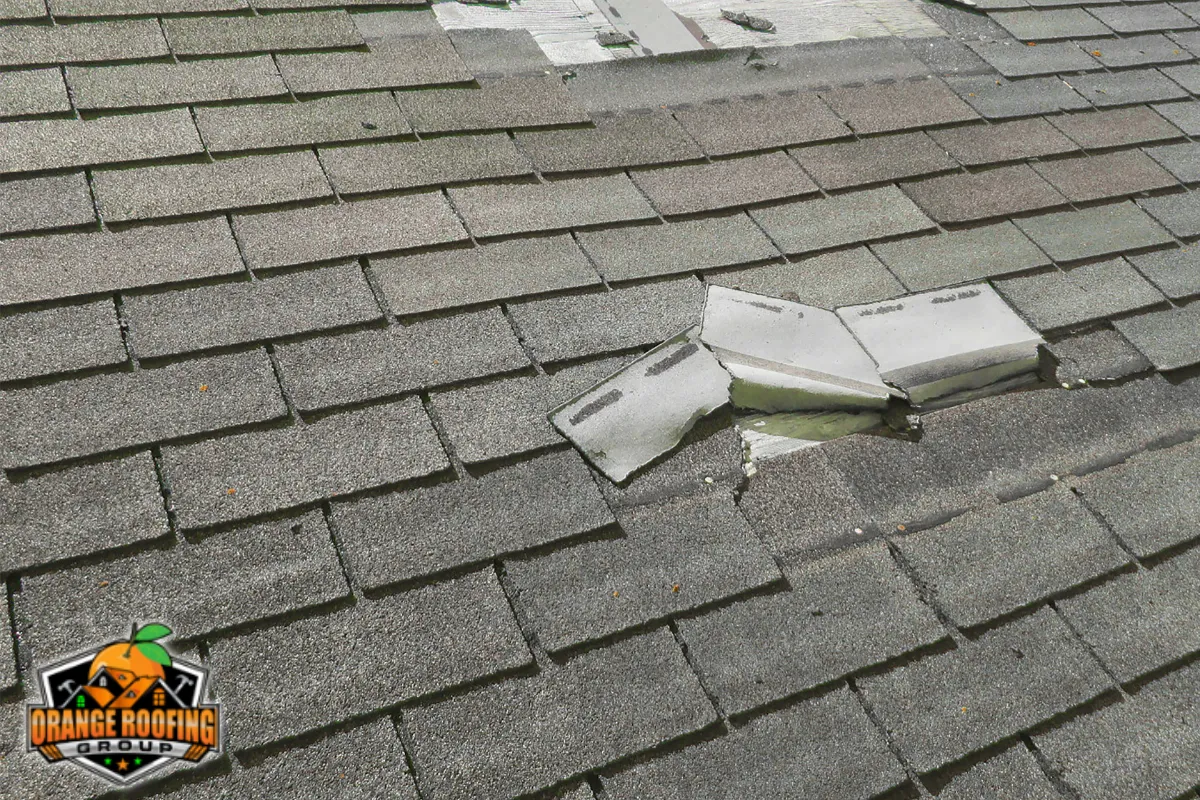
Think of this section as a homeowner checklist – if you spot any of these, a roof inspection is necessary quickly.
Visible exterior signs:
- Missing or broken shingles and dark patches on the roof surface
- Sagging ridgelines or visible dips in the roof deck
- Moss or algae streaks, especially on north-facing slopes
- Rust stains on metal flashings or drip edges
Metal and flat roof red flags:
- Loose seams, surface bubbles, or blistering on membrane roofs
- Standing water lasting more than 48 hours after rain
Interior clues:
- Peeling paint near the attic or along upper walls
- Discolored drywall, especially near chimneys or skylights
- Musty odors and visible mold around upper corners
Ice damming can cause severe interior leaks during winter months. Improper attic insulation accelerates roofing material deterioration by creating uneven heat patterns that worsen ice dam formation. Any of these roof repair warning signs mean you should call a licensed roofer or roofing company rather than attempting DIY work on steep or high roofs.
What a Comprehensive Roof Inspection Includes on Staten Island
A visit from a professional roofing contractor or honest roof inspection company typically follows a structured inspection process. During a site evaluation, our inspector – or any qualified professional – will cover several critical areas.
Exterior checks:
- Walking the roof surface when safe, examining shingles or membranes for wear, cracks, and granule loss
- Inspecting flashing around chimneys, skylights, exhaust pipes, and roof edges
- Evaluating gutters, downspouts, and drip edges for corrosion and blockages
- Checking ridge caps, valleys, and eave conditions for wind uplift damage
Interior and attic checks:
- Examining insulation levels and ventilation adequacy
- Assessing roof deck condition from below for soft spots, moisture stains, or condensation
- Looking for signs of mold, rot, or pest damage
In coastal locations, inspectors specifically look for storm damage, salt corrosion on fasteners, and wind-driven moisture intrusion. Staten Island roofing companies should follow OSHA safety practices and NYC Department of Buildings guidelines during inspections. Certified professionals who undergo professional certification training bring the expertise needed for accurate assessments. Roof inspections typically take 2 to 4 hours to complete, depending on roof size, slope, and complexity. Homeowners should receive a written roof inspection report with photos, a prioritized repair list, and maintenance recommendations – those detailed written reports are essential for both insurance and resale purposes.
Read Common Roof Problems in Great Kills, New Dorp, and Eltingville
How Often Should Coastal Staten Island Roofs Be Inspected?
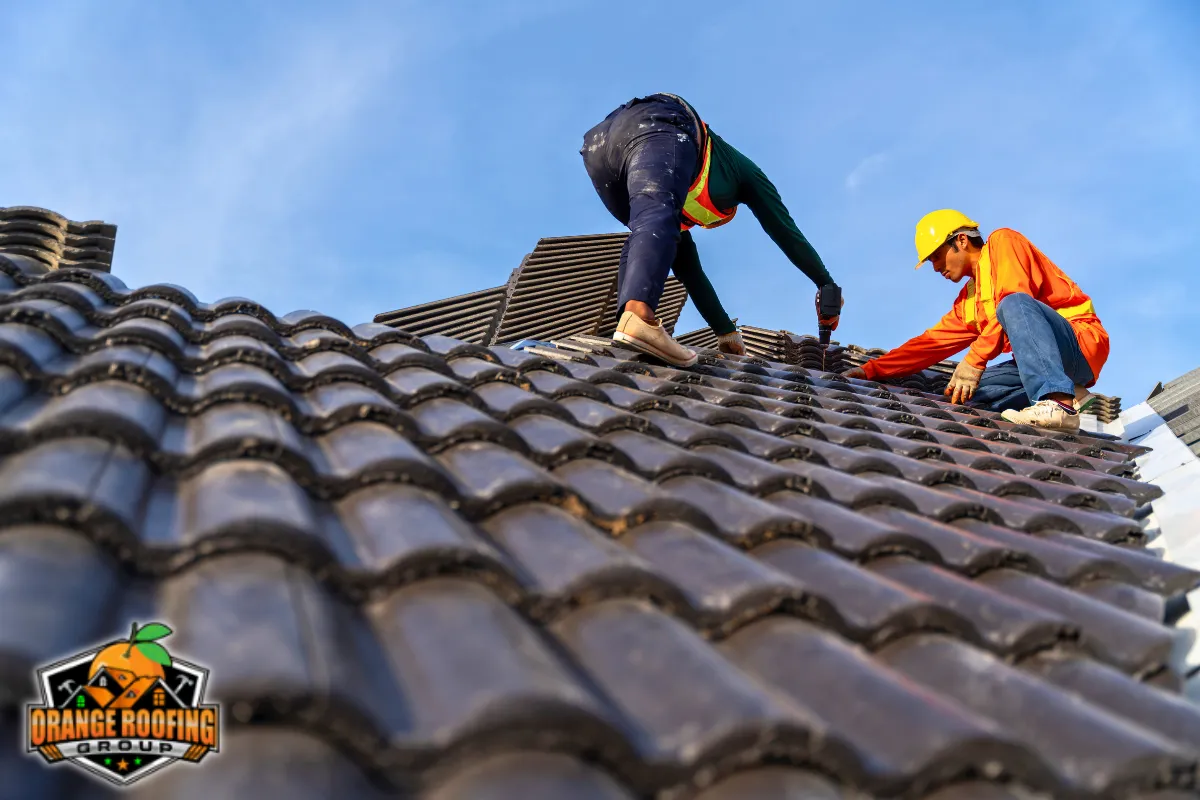
The inspection frequency for a coastal Staten Island home differs significantly from an inland property. Experts recommend annual roof inspections for most homes, but homes in severe weather areas may need inspections twice a year – particularly if the property sits within a few blocks of the shoreline or inside a FEMA VE flood zone.
Additional inspections should be scheduled after severe Nor’easters, hurricanes, or any wind event reaching 50 mph or more. Roof inspections are crucial after severe weather events because damage from wind uplift and salt-driven rain can be invisible from the ground. Older roofs should be inspected more frequently than newer ones; once an asphalt shingle roof passes the 15-year mark, bi-annual inspections become a smart investment. Regular inspections can extend a roof’s lifespan significantly and help preserve warranties from major shingle manufacturers and flat roof membrane systems. Annual inspections and dependable roof inspections give coastal homeowners peace of mind heading into every storm season.
Roof Inspections, Insurance Claims, and Property Value
Staten Island’s coastal risk profile makes documentation and insurance relationships especially important. Regular roof inspections are essential to prevent premature structural decay and secure insurance compliance. Insurers often require proof of standard roof maintenance to maintain valid coverage, and a documented history of roof health is mandatory for navigating coastal insurance markets.
Here is how inspections protect you financially:
- Detailed inspection reports provide solid evidence of a roof’s condition for claims. Insurance claims often require detailed inspection reports, and detailed professional reports are often required to approve storm damage claims.
- Pre-storm inspections establish a clear baseline for damage claims. If a Nor’easter hits next month, having a dated report from last month proves what damage is new.
- Inspections can reveal hidden damage before filing claims. Professional reports from inspections help substantiate claims and prevent disputes with your insurance company.
- Photo documentation is crucial for processing insurance claims. Regular assessments create a paper trail of property upkeep for home insurance claims.
- Roof inspections provide documentation for insurance claims and support a risk free consultation with your carrier about coverage levels.
When it comes to selling your home, a roof inspection report aids in real estate transaction transparency. Roof inspections help buyers and sellers negotiate effectively – a recent report reassures potential buyers and supports your asking price. Home inspections typically occur 7 to 10 days after an offer is accepted, and a thorough roof inspection can reveal hidden damage before purchase. Lenders and appraisers often care about remaining roof life, making your inspection report a useful negotiating tool. You can receive your roof inspection report and use it to understand your roof inspection results clearly when speaking with a storm damage inspector or claims adjuster.
Choosing an Honest Roof Inspection Company on Staten Island
Local experience with Staten Island’s microclimates and NYC Department of Buildings rules matters more than a low price. When searching for the best local roof inspections and cost effective roof inspections services, keep these criteria in mind:
- Verify that any roofer or roofing contractor is licensed and insured in New York State and carries workers’ compensation
- Look for a track record of inspections on Staten Island specifically – not just general NYC service. A company that has faithfully served Staten Island understands the unique coastal conditions
- Ask whether the company provides transparent inspection reports, photos, and detailed explanations of findings
- Request clear, written estimates for any recommended roof repair work, with line items for labor and materials
- Confirm that their inspectors are certified professionals who can provide roof evaluation services backed by real experience
An honest roof inspection company will not pressure you into a full replacement when minor, necessary repairs are sufficient. A full service roofing company will provide roof evaluation services that give you an accurate understanding of your roof inspection findings without unnecessary upselling. Whether you need comprehensive roof inspection services or post inspection roof repair, the right roofing service provider will walk you through every finding with patience.
Seasonal Roof Inspection Priorities for Coastal Staten Island Homes
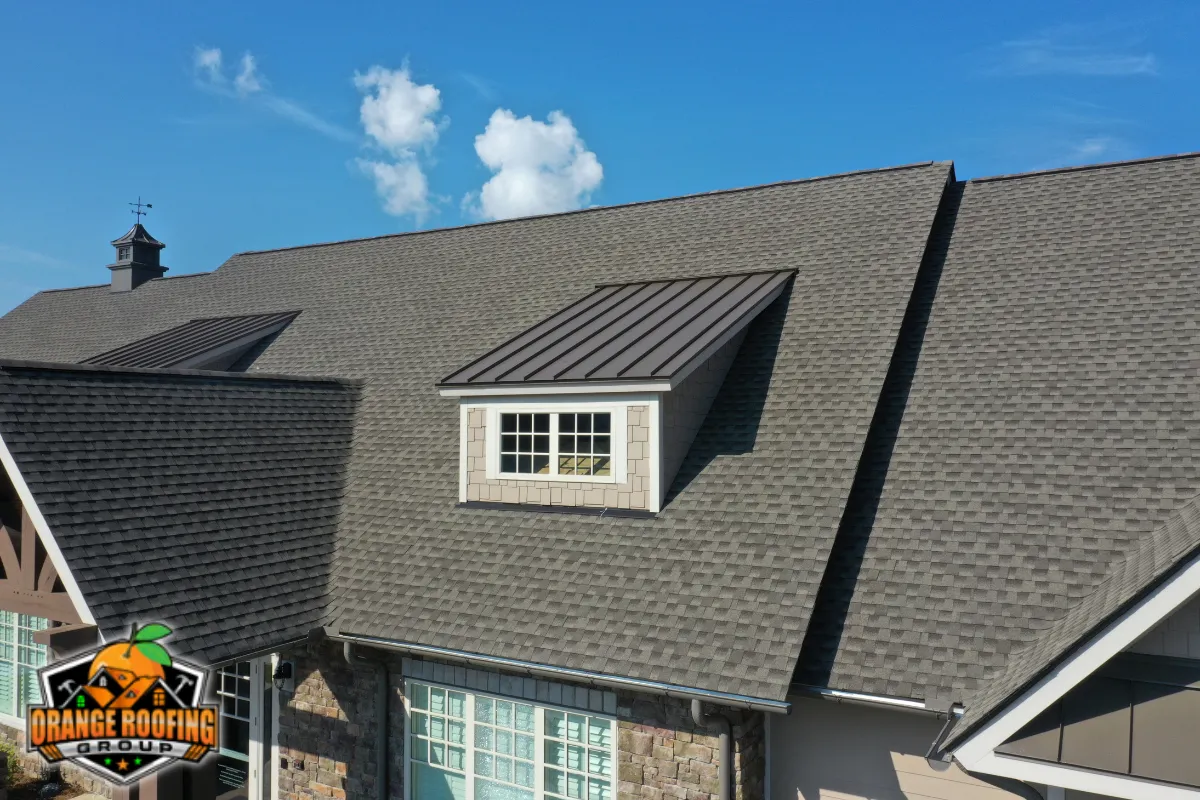
Each season brings different threats to coastal roofs, and your inspection focus should shift accordingly.
Spring: Check for winter ice dam damage, lifted or missing shingles, and gutter issues left behind by snow and freeze-thaw cycles. This is also the time to assess whether any necessary repairs or replacements are needed before summer storms arrive.
Summer: Look for UV damage, overheating attics, and ventilation problems. Poor attic airflow accelerates shingle aging and drives up cooling bills, reducing energy efficiency. The intense summer sun is especially punishing on roofs that have already lost protective granule coverage.
Fall: Clean leaves and debris from gutters, check flashing integrity before Nor’easter season, and verify that drainage systems are clear. This is when to inspect your roof against Staten Island’s approaching winter weather. Falling tree branches during storm season are a real threat to roofing materials.
Winter: Pre-winter inspections reduce emergency calls during snow, ice, and coastal storms. Addressing the roof’s condition before the first freeze gives you a chance to save you money by avoiding mid-storm emergency repair rates.
How Professional Roofers Turn Inspection Findings into Long-Term Protection
A roof inspection is step one. Smart repair and maintenance planning is step two. Experienced roofing contractors prioritize urgent roof leaks, structural damage risks, and safety hazards before addressing cosmetic issues.
A good roofing company will outline your options clearly: spot repairs for isolated flashing or shingle problems, partial replacement for larger damaged sections, or full roof replacement when the system has reached the end of its useful life. Maintenance services – sealing flashings, resecuring loose shingles, adding roof vents, cleaning and realigning gutters – are the kind of regular maintenance that extends roof life by years.
Consistent follow-through after inspection roof repair services reduces emergency leak calls during Staten Island’s worst storms. The importance of regular roof maintenance and understanding your roof inspection findings cannot be overstated for any coastal homeowner looking to protect their investment. A roofing home improvement project should always start with a thorough inspection, because every effective roof repair begins with accurate diagnosis. When you hire a reputable roofing home improvement company, the inspection process and improvement roof inspection services they offer will determine whether simple repairs or a complete roofing home improvement overhaul is the right path. Calling our office today to discuss damage and prevention strategies is the first step toward protecting your home.
Protecting Your Coastal Home with Smart Roof Inspection Habits
Staten Island’s coastal environment makes regular roof inspections a non-negotiable part of homeownership. The combination of salt air, high winds, storm surge, and harsh winters creates conditions that no inland community has to contend with – and your roof absorbs the worst of it. The rewards of consistent inspections are clear: fewer leaks, lower long-term repair costs, healthier indoor air quality, and stronger property value when it matters most.
Mark your calendar for seasonal inspections and post-storm checks with a trusted roofing company. Take action now rather than waiting for visible damage to appear on ceilings or walls – by the time you see a stain, the problem has been growing for months. Your roof protects everything underneath it. Make sure someone is protecting your roof.
Staten Island Roof Inspections – Orange Roofing Group
We are Orange Roofing Group, and we specialize in roof inspections for coastal Staten Island homes. We understand firsthand how salt air, wind, and seasonal storms challenge roofing systems across neighborhoods like Midland Beach, South Beach, Tottenville, and Great Kills. Our roofing service includes thorough inspections, clear and detailed roof inspection reports, and honest recommendations for roof repair or replacement – never unnecessary upselling. We take pride in being an experienced team that provides dependable roof inspections on Staten Island that homeowners can count on season after season. Our roofing contractors are ready to help you protect your investment. Call Orange Roofing Group at (347) 875-2361 on Staten Island, New York to schedule fast, professional help from trusted roofers. Fill out our contact form or visit us to arrange an on-site visit, ask questions, or request an estimate from experienced roofing contractors who know your coast.
Frequently Asked Questions
How do coastal winds on Staten Island change what roofers look for during inspections?
Roofers performing inspections along Staten Island’s coast pay extra attention to uplifted shingles, loose ridge caps, and compromised fasteners because wind gusts off the water regularly exceed 50 to 60 mph during Nor’easters. Inspectors check for subtle wind damage that may not produce a leak immediately, such as creased shingles and displaced flashing along eaves and rakes. They also examine siding transitions and soffits for signs of wind-driven rain penetration, which is far more common in exposed shoreline areas than in sheltered inland blocks. Catching wind-related issues early minimizes the risk of major leaks in the next coastal storm and reduces the chance of filing expensive insurance claims after the fact.
Can I legally perform my own roof repairs on Staten Island, or do I always need a roofing contractor?
Homeowners on Staten Island can generally perform minor repairs on their own single-family homes, but safety and code compliance are critical considerations. The NYC Department of Buildings may require permits and licensed roofing contractors for major structural work, full replacements, or extensive flat roof projects. Before beginning any significant repairs, consult DOB guidelines or speak with a professional roofer to confirm whether a permit is needed. Hiring insured roofing contractors reduces your personal liability and ensures all work meets local building and fire code requirements. For anything beyond replacing a few shingles or clearing a gutter, professional help is strongly recommended.
What does a typical Staten Island coastal roof inspection cost, and how long does it take?
Professional roof inspection costs for an average single-family home on Staten Island generally range from approximately $200 to $400, depending on roof size, slope, and complexity. Some roofing companies waive the inspection fee if the homeowner proceeds with recommended repair work. Most single-family home inspections take between 45 and 90 minutes on site, plus additional time to prepare a written roof inspection report with photographs and prioritized recommendations. Larger multi-family or commercial roofing inspections along the shoreline can require several hours of careful evaluation, particularly when multiple roof levels, flat membrane systems, or extensive penetrations need thorough assessment.
How are flat roofs near the Staten Island shoreline inspected differently from pitched shingle roofs?
Inspectors on coastal flat roofs focus on membrane seams, parapet flashings, internal drains, and any ponding water patterns that indicate low spots or clogged drainage. They may use moisture meters to detect trapped water within insulation layers on older low-slope systems – damage that is invisible to the naked eye. This contrasts with shingle roof inspections, which prioritize individual shingle condition, underlayment exposure, and ridge and valley integrity. Flat roofs near the shoreline generally benefit from more frequent commercial roofing inspections due to the combined stress of UV radiation, wind, standing water, and salt exposure that accelerates seam separation and membrane breakdown.
What records should I keep from each roof inspection to help with future insurance claims or selling my home?
Keep a digital and printed copy of every roof inspection report, including all photographs, diagrams, and inspector notes. Store invoices for all roof repair or maintenance work with dates, scope of work, and materials used clearly documented. Retain warranty documents from roofing manufacturers and roofing companies along with their contact information. This documentation proves responsible maintenance over time, which directly supports storm damage claims with your insurance company and reassures future buyers about the roof’s condition during real estate negotiations. A well-organized file of inspection history, repair records, and warranty paperwork is one of the most valuable assets a coastal Staten Island homeowner can maintain.
Disclaimer: This article provides general information about Staten Island roof inspections. It is not legal, insurance, or engineering advice. Readers should consult licensed local professionals, their insurance carriers, and the NYC Department of Buildings before starting any roof work or filing claims.
Read What to Ask Before Hiring a Roofing Contractor on Staten Island