Why the Right Questions Matter Before You Hire a Roofer
Your roof takes a beating from Staten Island’s coastal storms, freeze-thaw cycles, and salt spray exposure, yet many homeowners rush to hire a roofing contractor after spotting a leak or wind damage without asking critical questions first. This urgency creates vulnerability to unlicensed workers, denied insurance claims, and code violations that could affect future property sales in NYC. Contractors who refuse to provide a written contract or have significantly lower estimates than others may indicate poor quality or future upselling.
The solution is straightforward: arm yourself with a practical checklist of questions that helps you confidently compare roofing companies and select a trustworthy roofer. This guide covers everything from licensing and insurance to roof installation timelines, roof repairs, flat roofing options, and roof replacement decisions specific to Staten Island homes.
Key Takeaways
- Verify that any roofing contractor you consider is licensed by the NYC Department of Consumer and Worker Protection and carries both general liability and workers’ compensation insurance
- Ask about local experience with asphalt shingle roof systems and flat roofing projects completed specifically on Staten Island within the past year
- Request a written, itemized estimate that details labor, materials, permits, and debris removal before any roof installation or roof repairs begin
- Understand the difference between manufacturer material warranties and contractor workmanship warranties, and get all terms plainly written into your contract
- Choose established local roofers over out-of-town storm chasers who may disappear before completing punch-list items or honoring warranty claims.
Start With Licensing, Insurance, and Legal Requirements
In New York City, including Staten Island, roofing contractors must hold proper licenses and carry insurance to perform roofing services legally. All home improvement contractors on Staten Island must be licensed by the NYC Department of Consumer and Worker Protection (DCWP). This protects homeowners from liability and ensures compliance with local regulations.
Ask these questions before proceeding:
- What is your NYC DCWP license number, and can I verify it online?
- Do you carry general liability insurance, and what are the coverage limits?
- Can you provide proof of workers’ compensation insurance for your crew?
- Will you secure all required NYC Department of Buildings permits for this project?
General liability insurance protects your home from accidental damage during roofing. Workers’ compensation insurance is essential for protecting homeowners from liability if a worker is injured on their property. In NYC, a licensed contractor must handle required permits for roofing projects. Most roof replacements on Staten Island require a Department of Buildings permit, and a permit is mandatory if you are replacing more than 25% of the roof or making structural changes.
Questions About Local Experience and Staten Island Roofing Conditions
Staten Island’s coastal weather creates unique challenges. The borough experiences approximately 120-140 freeze-thaw cycles annually, high winds during nor’easters, and salt spray from the Atlantic Ocean that accelerates corrosion on flashing and fasteners. Roofers unfamiliar with these conditions may install roofs that fail prematurely.
Ask prospective contractors:
- How long have you been providing roofing services on Staten Island?
- How many similar projects have you completed locally in the last five to ten years?
- Are you familiar with Staten Island neighborhood variations, HOA rules, and NYC building codes affecting roof pitch, fire ratings, and venting?
- Can you provide recent local references with addresses so I can drive by and see finished work?
Contractors should have local references for projects completed in Staten Island within the last year. This verification ensures you’re hiring a team that understands the location and can deliver quality work suited to our unique climate. Materials used in roofing in NYC must be Class A fire-rated, and experienced local contractors know this requirement.
Clarifying Roof Inspection, Diagnosis, and Written Estimates
A thorough roof inspection is the foundation for an accurate free estimate and honest project scope. Before signing anything, confirm the contractor will physically assess your property.
Key questions to ask:
- Will you walk the roof, check the attic, and inspect flashing, gutters, and ventilation before providing a quote?
- What exactly will appear on your itemized estimate?
- How long is this estimate valid?
- What happens if hidden damage or rotten decking is discovered during tear-off?
A written, itemized estimate should detail materials, labor, and specific products. Written estimates for roofing should include labor, materials, permits, and debris removal. Roof installation costs can vary significantly, with estimates ranging from $9,760 to $30,500 depending on the type of roofing system and materials used.
Get at least two to three written estimates from different roofing companies. Be cautious if one quote is dramatically lower than others, as this often indicates inferior materials or inadequate labor allocation.
Understanding Materials, Systems, and Roofing Options
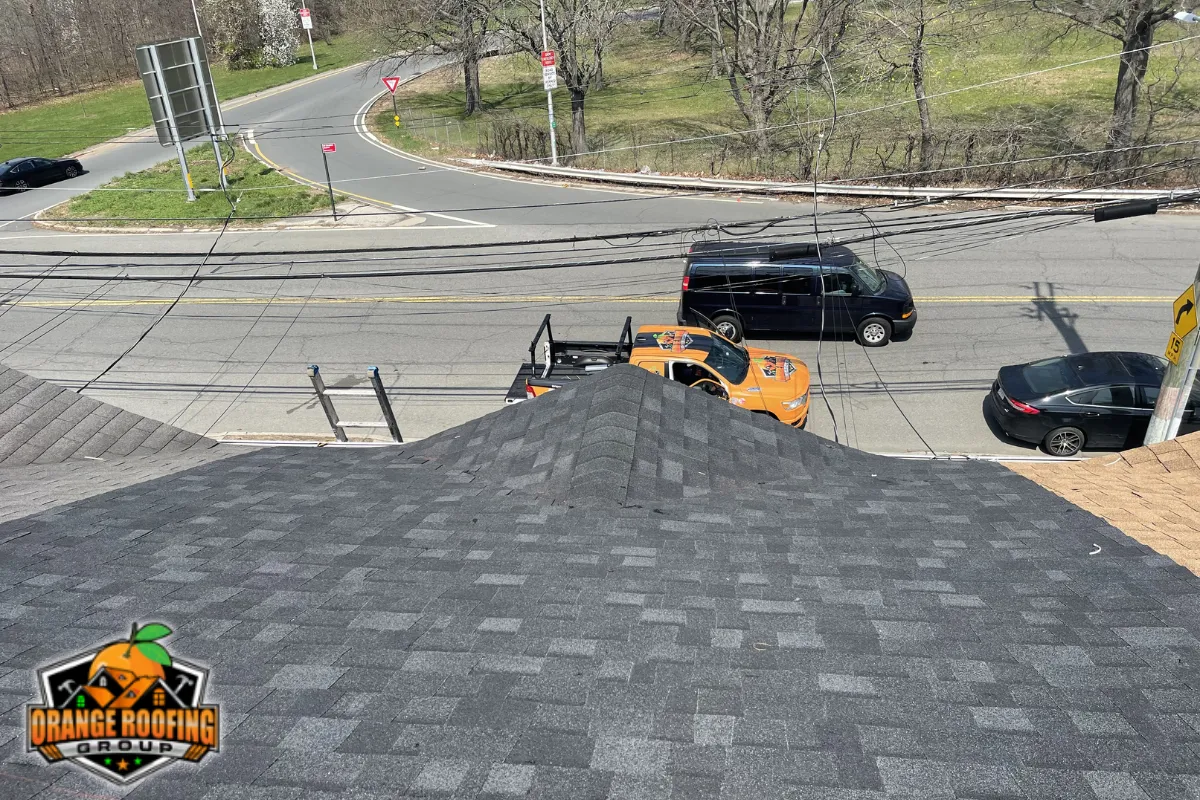
Material choices directly affect the lifespan, cost, and performance of a new roof or major roof repairs. Staten Island homeowners should understand their options.
Questions to raise with your contractor:
- Which manufacturers and product lines do you recommend for asphalt shingles on my home?
- For flat roofing on my rowhouse or garage, which system (TPO, EPDM, modified bitumen) do you recommend and why?
- Are you factory-certified by major brands like GAF or Owens Corning?
- How will the full roof system handle Staten Island’s heavy rains and snow?
GAF Certified Plus™ contractors can offer enhanced warranties including System Plus and Silver Pledge™ limited warranties, while GAF Certified™ contractors can offer the System Plus Limited Warranty. This certification matters because it directly impacts warranty eligibility.
In cold-weather regions like New York, contractors should apply specific self-adhered membranes along eaves and valleys to prevent leaks from ice dams. Ask about ice and water shield installation, proper ventilation, and flashing details for penetrations like chimneys and skylights.
Digging Into Roof Installation and Project Timeline
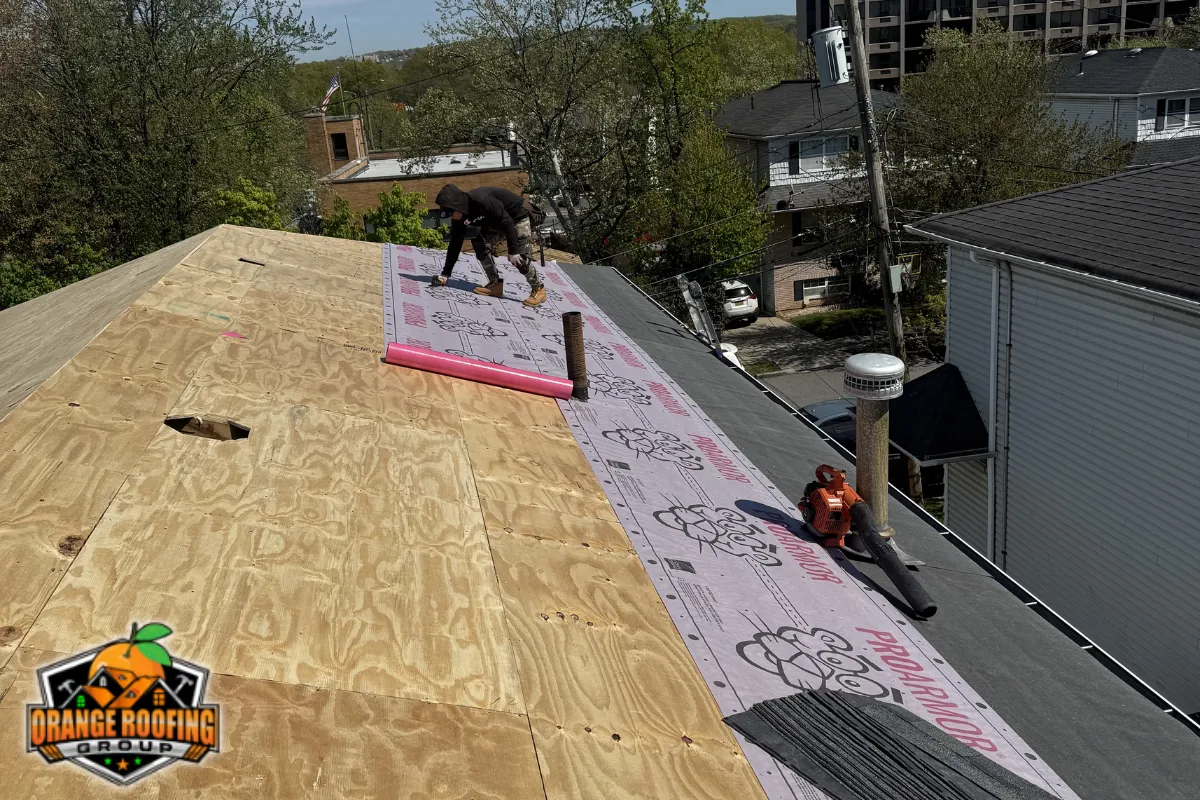
Clear expectations about the installation process prevent misunderstandings and disruption to your schedule.
Ask these questions:
- Who will actually be on-site doing the roof installation—in-house crews or subcontractors?
- Who supervises daily work?
- What is the realistic start date and estimated completion date?
- What happens if weather delays the project?
- What are your work hours, and how will you protect my landscaping, siding, driveway, and neighboring properties?
Roofing services typically include installation, repair, and maintenance of various roofing systems, catering to both residential and commercial properties. A typical residential roof replacement takes one to three days depending on complexity, but weather contingencies are normal.
Also ask how the roofer handles daily cleanup, nail collection using magnetic sweepers, and final inspection before you sign off on completion.
Evaluating Roof Repairs Versus Full Roof Replacement
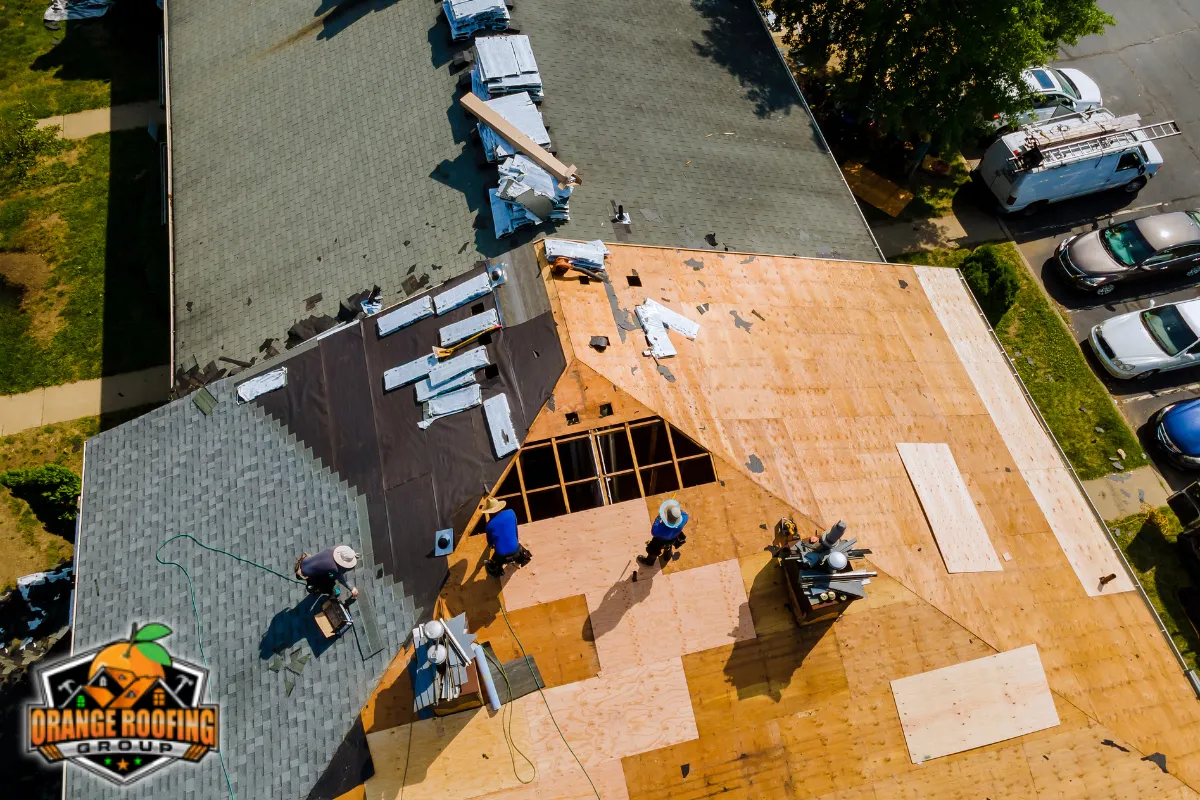
Not every leak requires a new roof, but patchwork repairs can waste money on an aging system approaching the end of its useful life.
Questions to consider:
- Based on your inspection, can targeted roof repairs safely extend my roof’s lifespan, or is roof replacement more cost-effective?
- Can you provide photos or video of damage areas to explain your recommendation?
- What is the remaining expected lifespan of my current roofing system given its age, material, and Staten Island climate?
- How quickly can you respond to urgent repairs or emergency tarping after storms?
Common roofing repair services involve fixing leaks, replacing damaged shingles, and addressing storm damage to ensure the roof’s integrity and longevity. Generally, if repairs exceed 30-50% of replacement cost, full replacement becomes the smarter investment. Minor repairs may extend roof life when damage is isolated, but repeated issues often indicate systemic aging.
Read How Long Does an Asphalt Shingle Roof Last on Staten Island?
Pricing, Payment Schedules, and Avoiding Red Flags
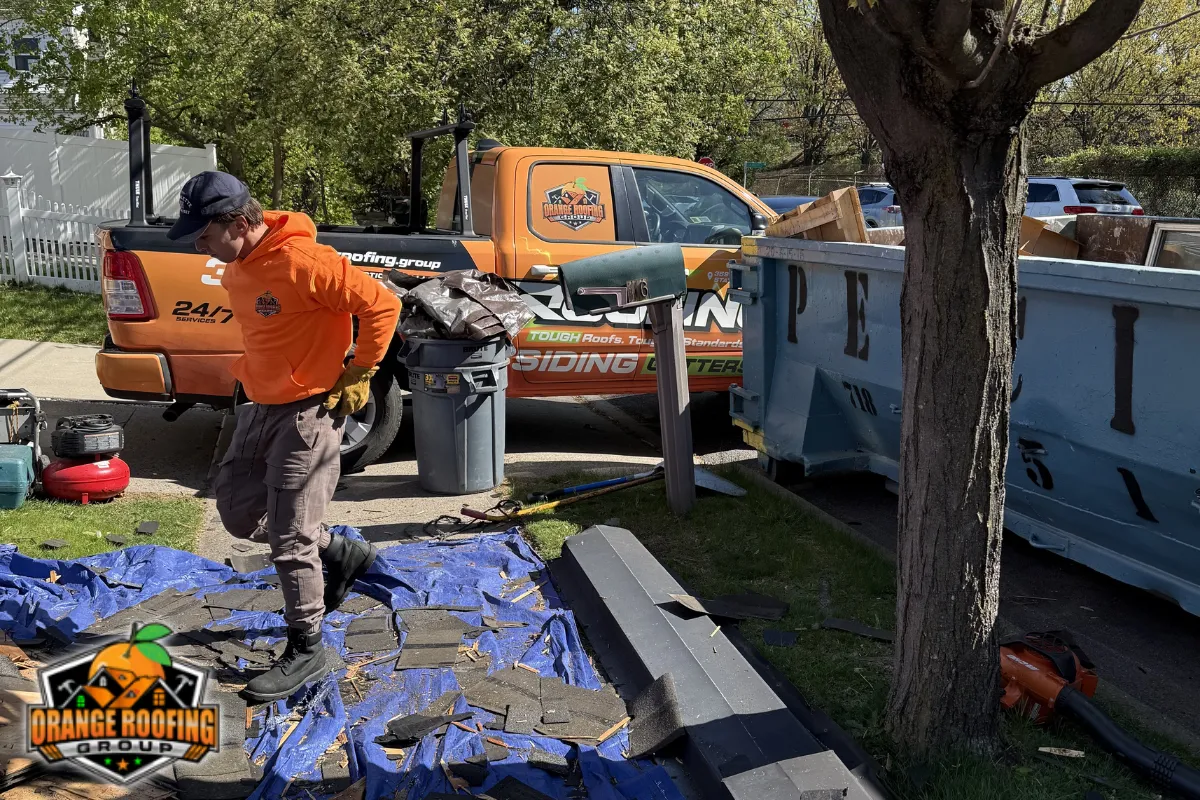
Transparent pricing is a hallmark of reputable local roofers. Understanding payment structures protects your investment and your property.
Questions about money:
- What is the deposit amount, and how are payments staged through the project?
- Is this a fixed-price quote, or can it change through change-orders?
- How are any price changes documented?
- What financing options or payment methods do you accept?
Be cautious of contractors who demand large upfront cash payments, refuse to provide receipts, or pressure same-day decisions. Deposits should typically not exceed 25% of the total project cost, and final payment should only occur after a walkthrough confirms the job is completed to your satisfaction.
Compare value rather than choosing the lowest bid. An honest contractor provides a complete estimate that includes all costs upfront.
Warranties, Guarantees, and Long-Term Protection
Understanding warranty coverage prevents surprises when problems arise years after installation.
Key warranty questions:
- How long is your workmanship warranty on roof installation and major roof repairs, and what exactly does it cover?
- Who handles manufacturer warranty registration—you or me?
- Could future work like solar installations or satellite dishes affect warranty coverage?
- How do I file a warranty claim, and what are expected response times?
Reputable roofers typically offer at least one year of workmanship warranty. Many roofing contractors provide warranties that can range from 5 to 50 years, depending on the type of roofing materials and the specific warranty terms. Warranties for roofing systems typically cover defects in materials and workmanship, with varying lengths depending on the contractor and materials used.
The distinction between manufacturer warranties (covering defective materials) and contractor workmanship warranties (covering installation errors) is critical. Homeowners often confuse these, assuming all problems fall under the material warranty.
Checking References, Online Reviews, and Previous Projects
Verifying a roofer’s reputation goes beyond their own marketing claims. Customer reviews are a critical factor in assessing the reputation of roofing contractors, with many homeowners relying on ratings and testimonials to make informed decisions.
Questions to ask:
- Can you provide three to five recent references from Staten Island homeowners who had similar roofing services completed in the last twelve to twenty-four months?
- Can I see before-and-after photos of recent asphalt shingle roof replacement and flat roofing projects?
Homeowners should look for contractors with a proven track record of quality workmanship and customer satisfaction, often evidenced by reviews and ratings. A high satisfaction rate among customers, such as a 99% satisfaction rate, can indicate a contractor’s reliability and quality of service. The reputation of roofing contractors can significantly impact their business, as many homeowners prefer to hire contractors with a proven track record of positive customer experiences.
Look for patterns in comments rather than fixating on isolated complaints. Signs of professionalism include punctuality, cleanliness, communication, and fair resolution of any concerns.
Contracts, Permits, and Final Documentation You Should Expect
A detailed written contract protects both the homeowner and roofing contractor throughout the project and beyond.
Your contract should include:
- Full scope of work with specific materials and product names
- Start and completion dates
- Payment terms and schedule
- Cleanup responsibilities
- Warranty terms
Ask who is responsible for obtaining Staten Island building permits, arranging inspections, and complying with NYC codes. New York City allows for separate building codes and regulations than the rest of the state, so contractors must understand local requirements.
Ensure all verbal promises—extra ventilation, upgraded underlayment, extended warranty—are plainly written into the agreement before signing. Keep copies of permits, inspection approvals, warranties, invoices, and photos as a permanent record for insurance and resale purposes.
Roofing Contractor on Staten Island, NY – Orange Roofing Group
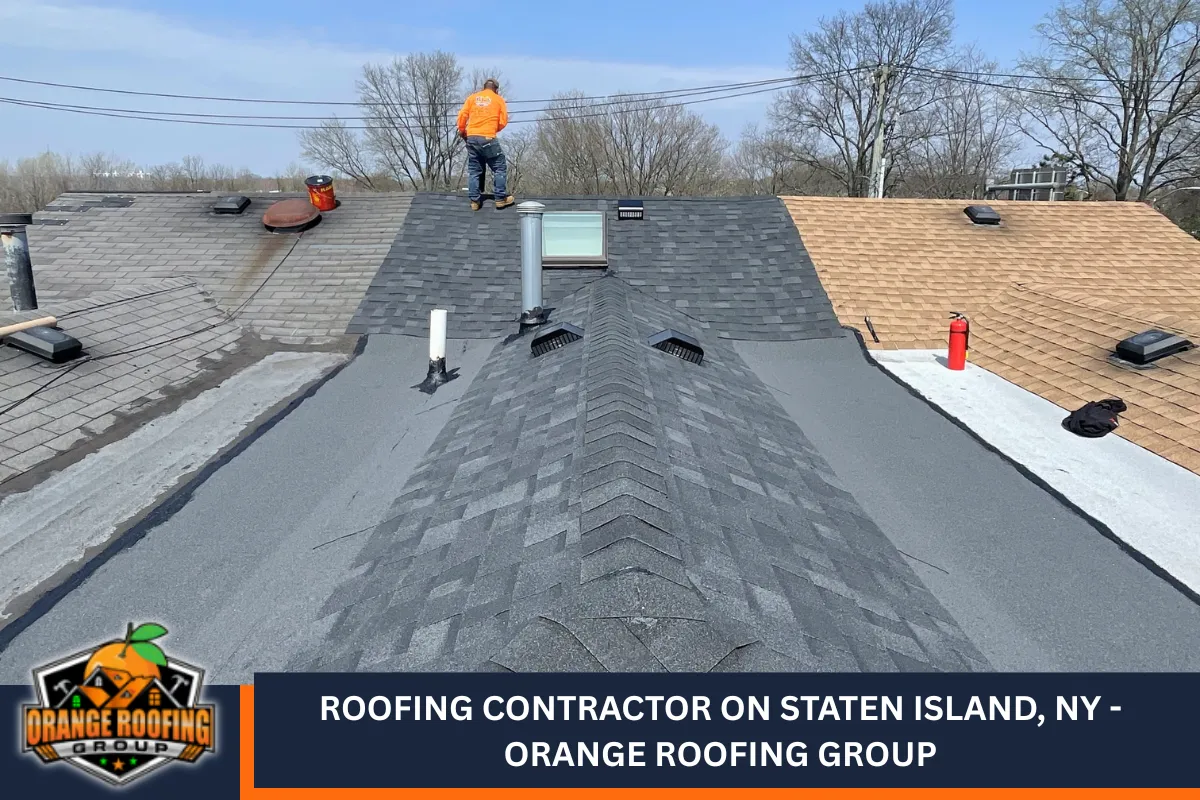
At Orange Roofing Group, we understand that hiring a roofing contractor is a significant decision for your family and your property. Our team brings decades of experience serving residential and commercial properties throughout Staten Island, and we specialize in roof installation, roof repairs, and roof replacement for homes and small businesses.
We provide detailed inspections, clear written estimates, and guidance on quality materials for asphalt shingle roof systems and flat roofing projects. Our commitment to craftsmanship means we treat every job site with respect, maintaining clean conditions and open communication throughout the process.
Ready to discuss your roofing needs with confidence? Call us at (347) 875-2361, fill out our contact form, or schedule a visit to our location. We’re fully licensed, insured, and compliant with all New York City building regulations. Contact Orange Roofing Group today for your free estimate.
Frequently Asked Questions
How often should a Staten Island homeowner schedule a professional roof inspection?
Most homes benefit from roof inspections every one to two years, and immediately after major storms with high winds or hail. Asphalt shingle roofs and flat roofing systems can develop hidden damage not visible from the ground, making regular inspections essential for protecting your property.
Inspections help catch minor problems like lifted shingles, cracked flashing, and clogged gutters before they turn into costly leaks. Older roofs over 15 years or homes surrounded by large trees may need more frequent inspections due to debris accumulation and accelerated wear. A reputable roofer documents conditions with photos and provides honest recommendations rather than pushing unnecessary roof replacement to bill homeowners for unneeded services.
What is a typical lifespan for an asphalt shingle roof on Staten Island?
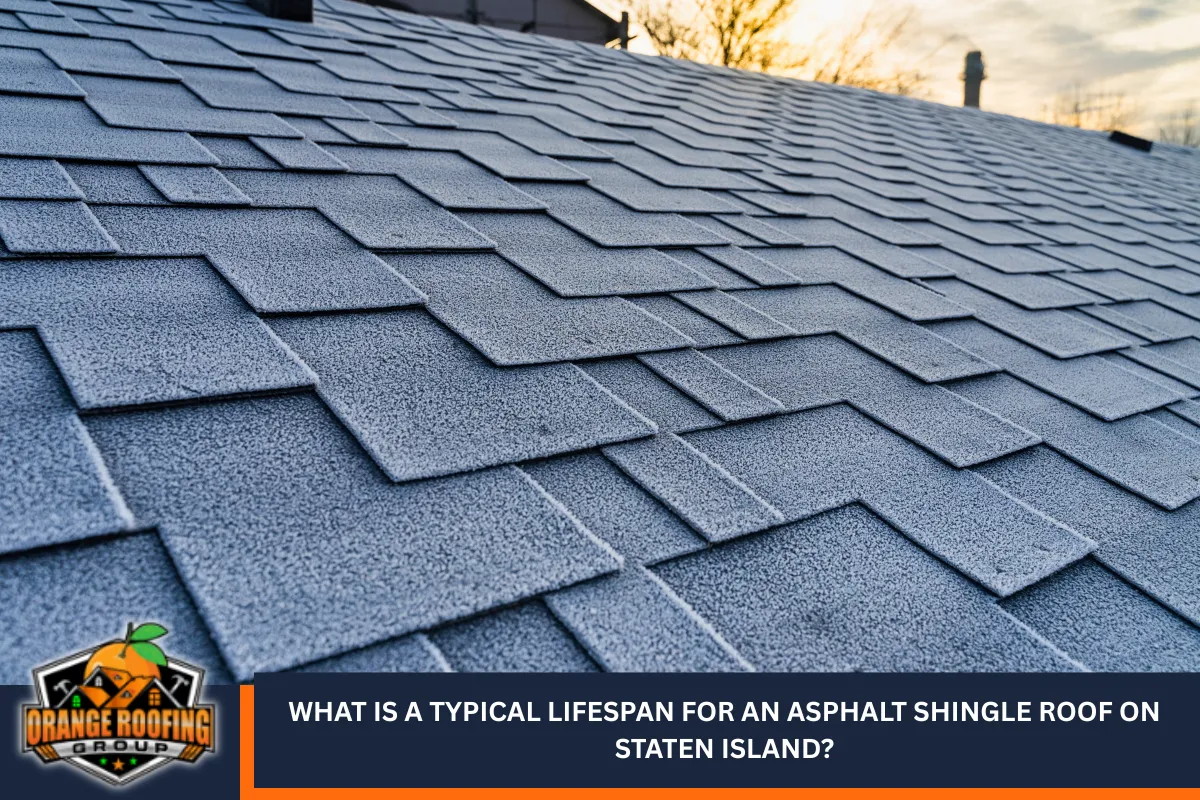
Modern architectural asphalt shingles are rated for 25-30 years under ideal conditions. However, Staten Island’s coastal weather, UV exposure, freeze-thaw cycles, and severe storms can shorten practical lifespan to 18-22 years if roofs are not installed or ventilated properly.
Quality of materials, workmanship, attic ventilation, and regular maintenance all influence how long your roof lasts. Homeowners should start planning for replacement once their shingle roof reaches 18-20 years, especially if granule loss and curling become visible. A local roofing contractor familiar with NY conditions can assess whether strategic roof repairs can safely extend roof life or if full replacement delivers better long-term value for your residential projects.
How can I tell if my flat roof needs repair or complete replacement?
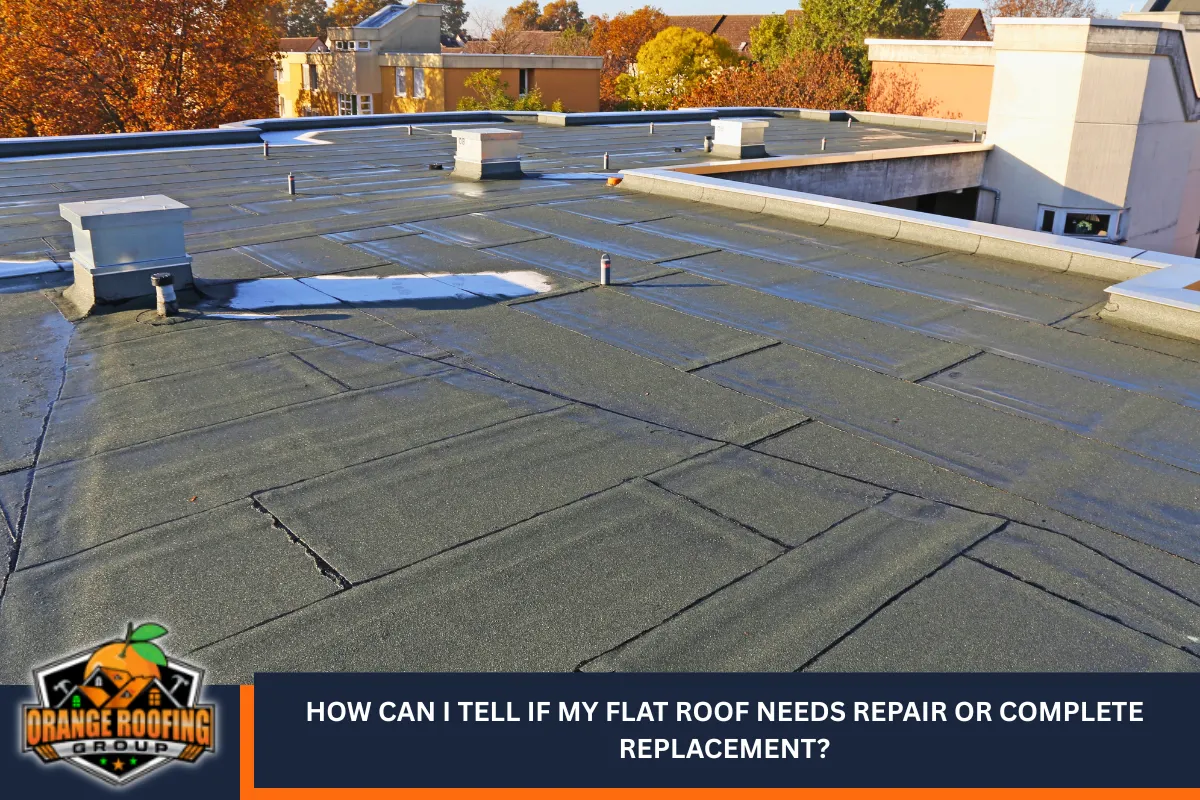
Signs that indicate flat roofing problems include ponding water that remains after rainfall, blisters in the membrane, cracks and splits, and seam separation. Repeated leaks in different areas, saturated insulation, or widespread membrane aging typically point toward full roof replacement rather than continued repairs.
Isolated damage around penetrations or flashing can sometimes be addressed with targeted roof repairs if caught early by experienced contractors. For large or commercial properties, request a moisture scan or core sample analysis from an experienced flat roofing contractor. Ignoring chronic flat roof issues damages underlying structure and interior finishes, dramatically increasing total repair costs and potential disruption.
Do I need to be home while the roofer is working on my Staten Island property?
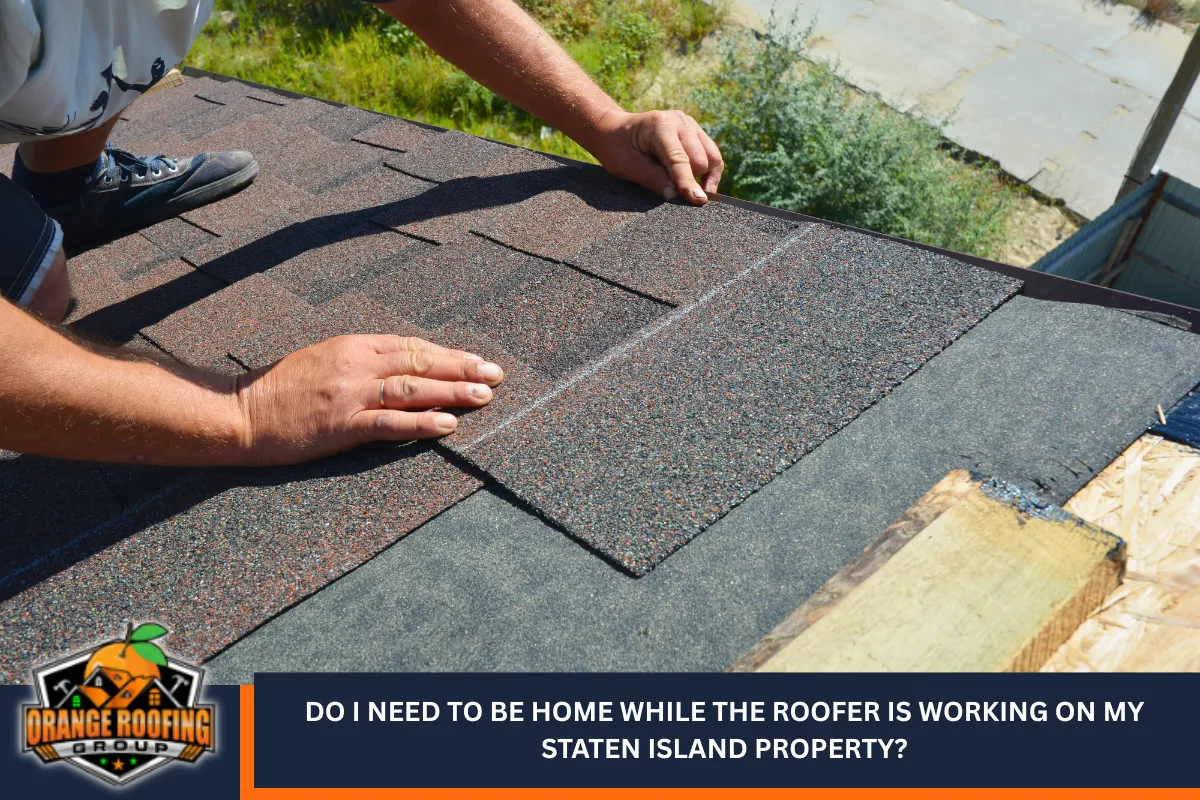
Most roofing services can proceed while homeowners are away, provided clear communication happens beforehand. However, you should remain available by phone during the project in case unexpected issues arise or approvals are needed for dealing with hidden damage.
Initial consultations and final walkthroughs are best conducted in person so questions about materials, warranties, cleanup, and any remaining concerns can be addressed directly. Reputable roofers protect property, follow agreed work hours, and secure the site daily whether or not owners are present. Lock gates, move vehicles, and secure pets before work begins to keep everyone safe and avoid delays in the process.
What should I do if a roofing problem appears soon after the job is finished?
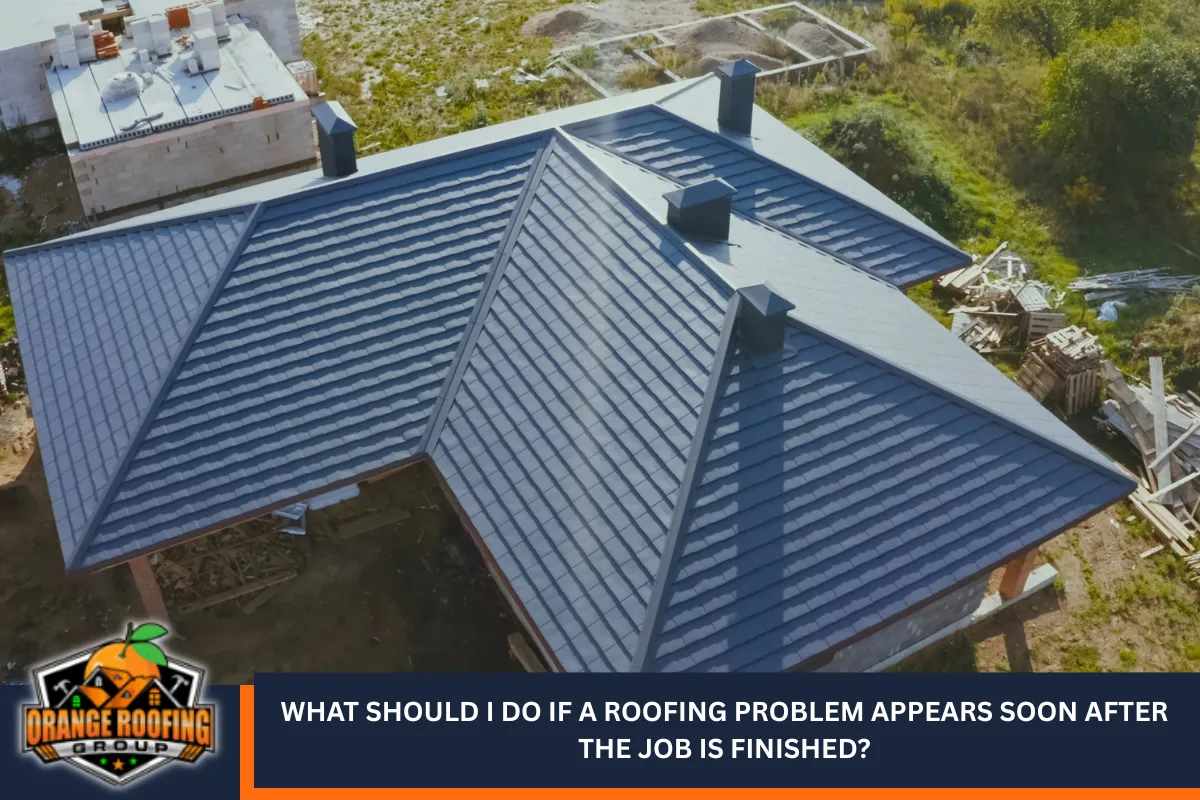
Document the issue immediately with photos and contact your roofing contractor as soon as possible. Review your written contract and workmanship warranty to understand coverage terms and expected response times from the company.
Reputable roofers schedule prompt visits to inspect, diagnose, and resolve concerns—whether involving leaks, missing shingles, ventilation noise, or flashing issues. Keep written records of all communications and any repairs performed under warranty for future reference. If a contractor proves unresponsive despite your efforts, you may need to consult another licensed roofer for an independent assessment and potential repair plan to protect your investment.
Disclaimer: This article provides general information about hiring roofing contractors and is not legal, code, or insurance advice. New York City and Staten Island roofing regulations, permit rules, and building codes can change, so homeowners should verify current requirements with local authorities like the NYC Department of Buildings before proceeding with any roofing project. Consult licensed professionals before making final decisions about work on your property.