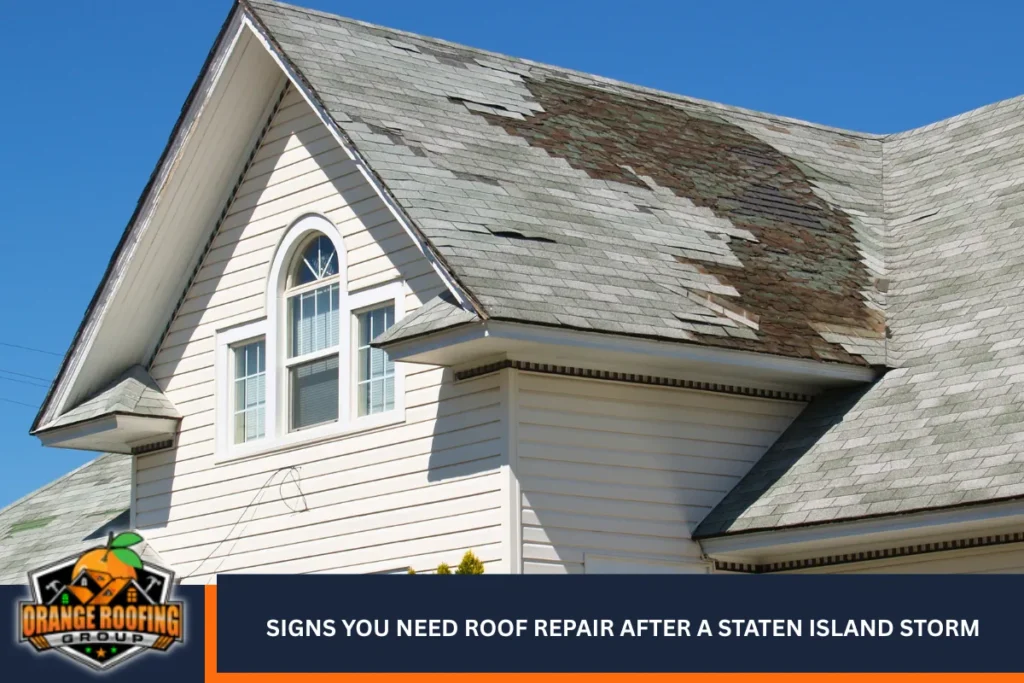
Why Staten Island Storms Make Roof Damage So Serious
Storm damage roof repair becomes urgent for Staten Island homeowners because of the borough’s coastal exposure. Sitting on the Atlantic coast, Staten Island faces Nor’easters, hurricane remnants, and intense coastal storms that regularly produce wind speeds exceeding 50-60 mph. These conditions stress roofing systems in ways that inland areas simply don’t experience.
High winds lift asphalt shingles, tear flat roof membranes, and drive rain under flashing and vents. Salt spray from the ocean accelerates corrosion on metal components, weakening fasteners and gutters faster than expected. What appears as minor damage after a storm often worsens over subsequent weeks, turning small roof repairs into expensive full roof replacement projects.
A reliable roofing repair company or roofing contractor can identify early problems that homeowners typically overlook during ground-level assessments. Catching these issues quickly makes the difference between a manageable repair and a major construction project.
Key Takeaways
- Storm damage roof repair should be scheduled immediately when you notice missing shingles, visible leaks, sagging rooflines, or debris impact damage on your property.
- Quick action prevents mold growth, structural deterioration, and significantly higher repair costs down the road.
- Both asphalt shingle roofs and flat roofs across New York City neighborhoods face unique storm risks from coastal winds, heavy rains, and flying debris.
- Always arrange a professional roof repair service or inspection rather than attempting risky DIY repairs on storm-damaged roofing systems.
- Insurance claims and local Staten Island roofing contractors can assist with necessary roof repairs and roof replacement when damage is extensive.
Immediate Red Flags to Check Right After a Staten Island Storm
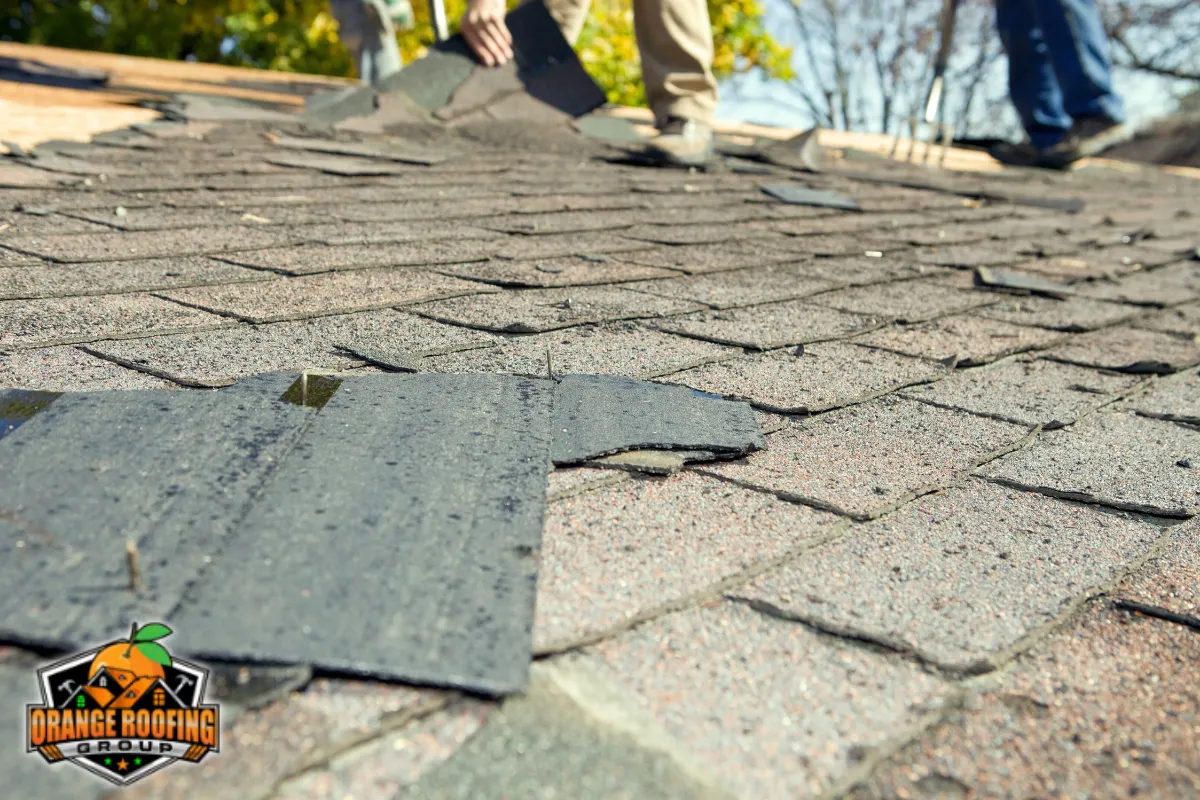
Within 24-48 hours of a storm, you should visually inspect your property for obvious exterior damage. Missing, cracked, or curled shingles are key indicators of roof damage that require prompt attention. After a storm, perform a safe ground-level inspection using binoculars or a drone to identify roof issues without climbing onto potentially compromised surfaces.
Look for these visible warning signs:
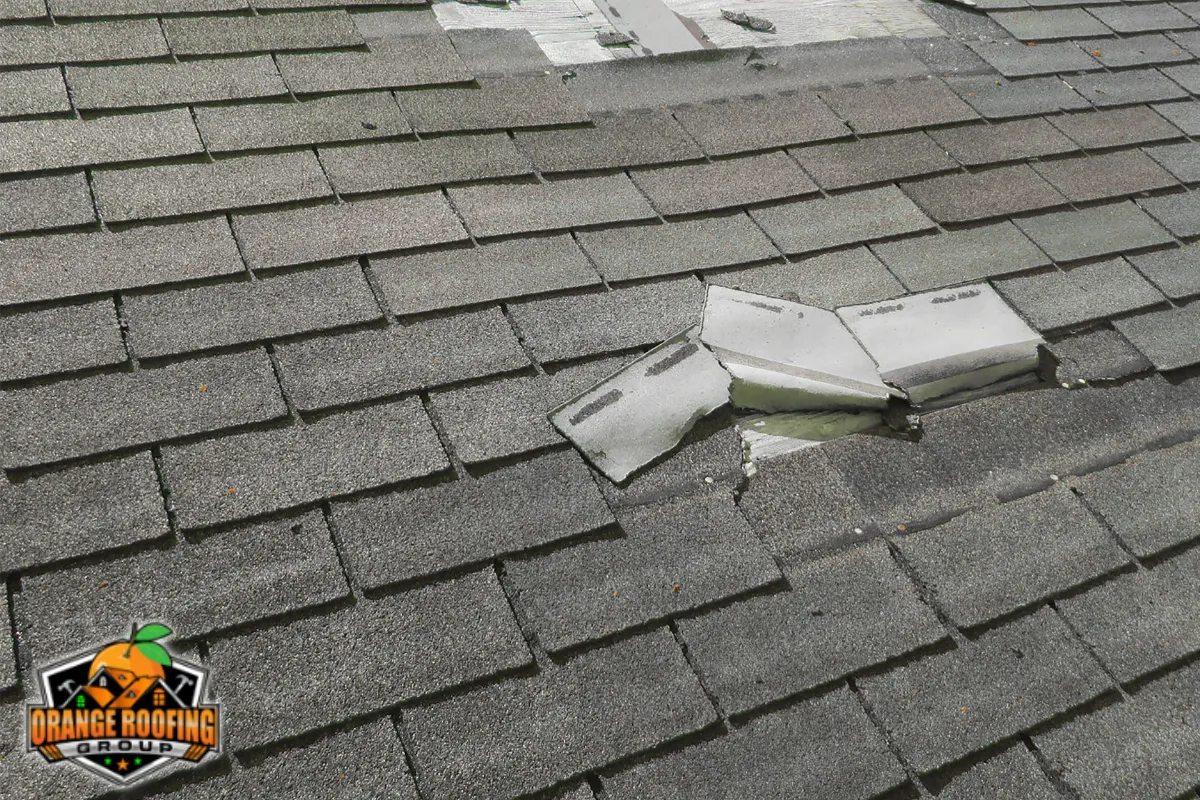
- Missing or curled asphalt shingles, especially along ridge lines and windward-facing slopes
- Broken clay tile or lifted sections on flat roofs
- Tree branches or debris lodged on the roof surface
- Dents on metal flashing from impact damage
- Punctures in commercial roofing systems
Signs of roof damage may include missing shingles, which can expose seams and lead to leaks, especially after high winds or storms. Standing or ponding water on any flat roof indicates drainage problems requiring immediate attention. Clogged gutters spilling over and detached downspouts also signal that your roofing systems need professional evaluation.
Never climb on your roof after a storm. Take photos from a safe distance and contact experienced New York roofers for a proper inspection.
Interior Warning Signs Your Roof Was Compromised
Not all storm damage appears on the outside. Many clues show up inside your home days or even weeks after severe weather passes. Water stains or discoloration on ceilings and walls can indicate active leaks that have traveled through your roof assembly and into living spaces.
Roof leaks can originate from various sources, including storm damage, old age, or poor installation, and can be difficult to pinpoint without a professional inspection. Using a flashlight in the attic can help reveal damp insulation or dark spots on rafters that indicate water intrusion. Inspect for musty odors in attics, which often signal trapped moisture and potential mold growth.
Additional interior symptoms include:
- Bubbling or peeling paint near rooflines
- Soft spots in ceilings when touched
- Daylight visible through roof boards from inside the attic
Unchecked moisture leads to mold development within 24-48 hours under the right conditions, damaging structural framing and creating health hazards. If any of these interior symptoms appear after heavy rain or wind, calling a roofing company for thorough inspection becomes critical to preventing further damage.
How Storms Affect Different Roof Types on Staten Island
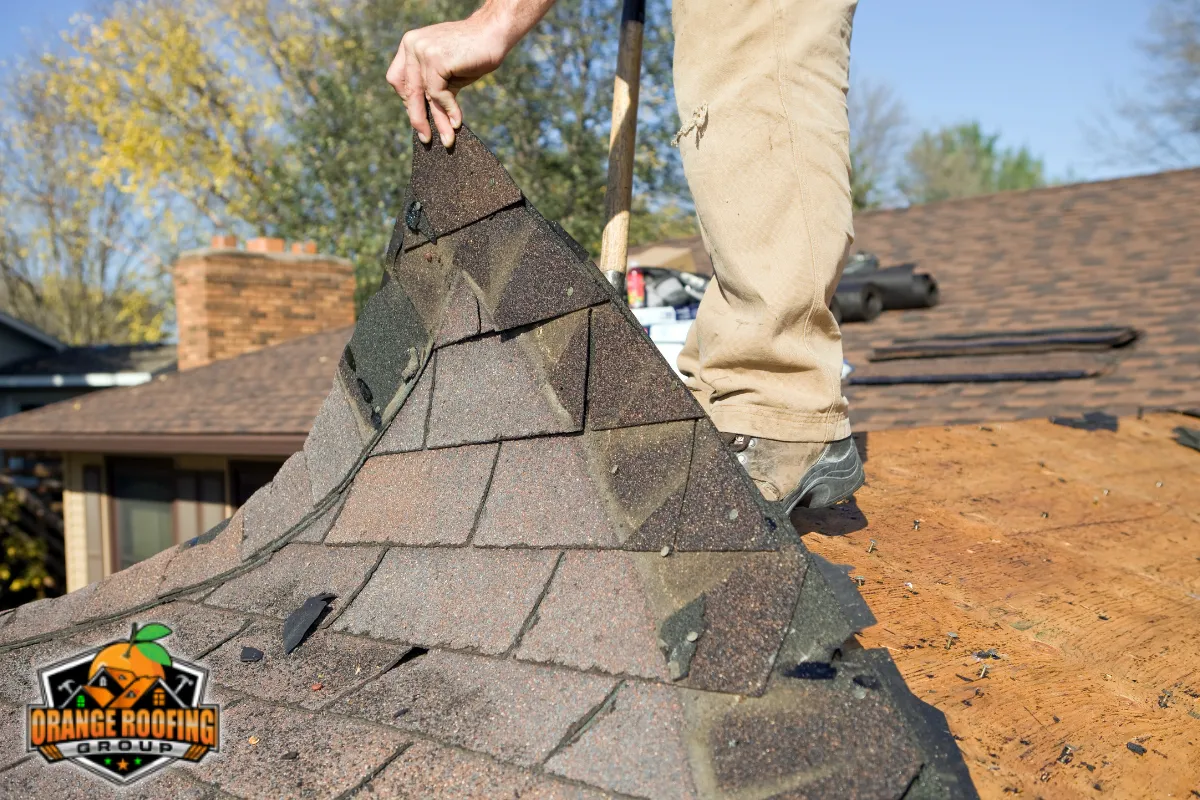
Pitched asphalt shingle roofs and flat roofs common on rowhouses and commercial buildings respond differently to storm conditions. Understanding these differences helps you know what to look for on your specific property.
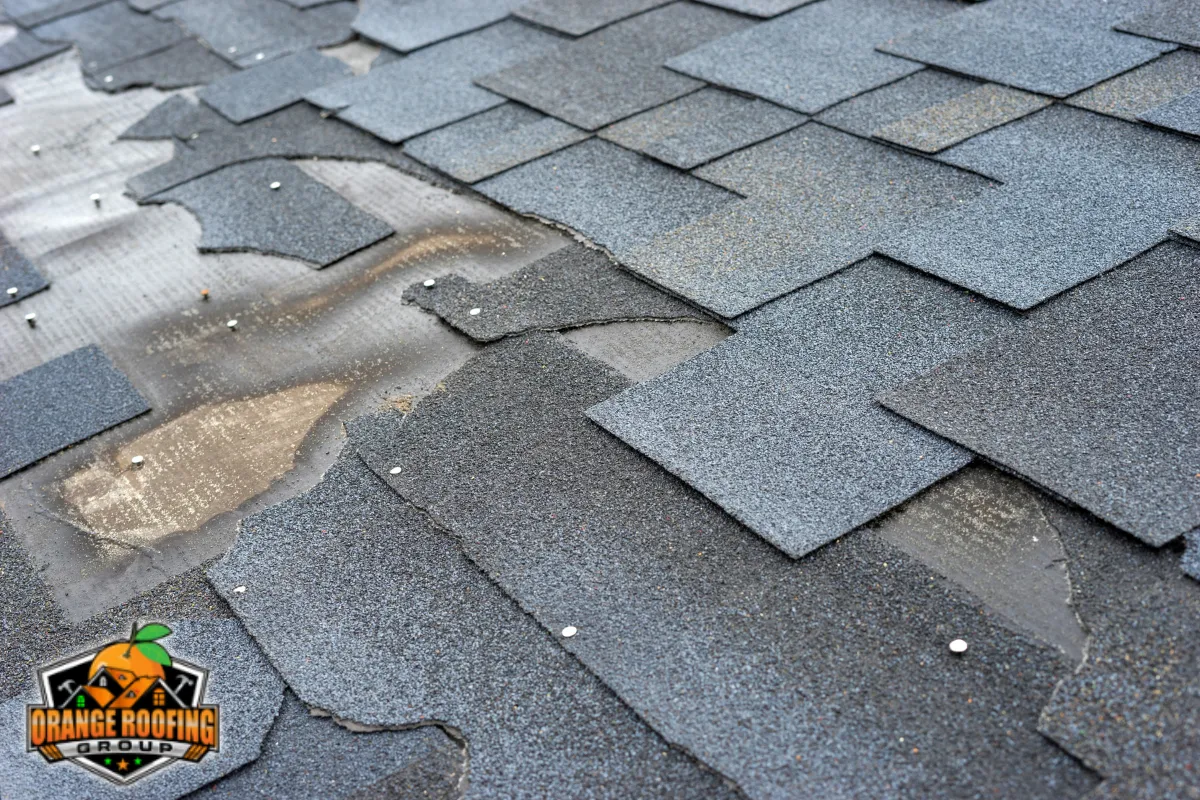
Asphalt shingle roofs suffer from wind-lifted tabs, cracked or bruised shingles from hail, and damaged ridge vents or pipe boots. Granule loss, indicated by accumulation in gutters or downspouts, compromises asphalt shingles’ UV protection and signals accelerated deterioration. Once granules wash away, the underlying material becomes brittle and prone to cracking.
Flat roofs present distinct challenges. Flat roofs require regular inspections to check for issues such as pooling water, loose fasteners, and cracks, which can lead to significant damage if not addressed promptly. Common flat roof materials like EPDM rubber, TPO, modified bitumen, and PVC membranes can develop punctures, seam splits, and blistering after storm events.
On mixed-use buildings and commercial properties throughout Staten Island, flat roof repair often requires specialized repair services. Leaks around HVAC units, skylights, or roof drains can disrupt both businesses and residences in the same building.
Subtle Signs That Point to Hidden Structural Problems
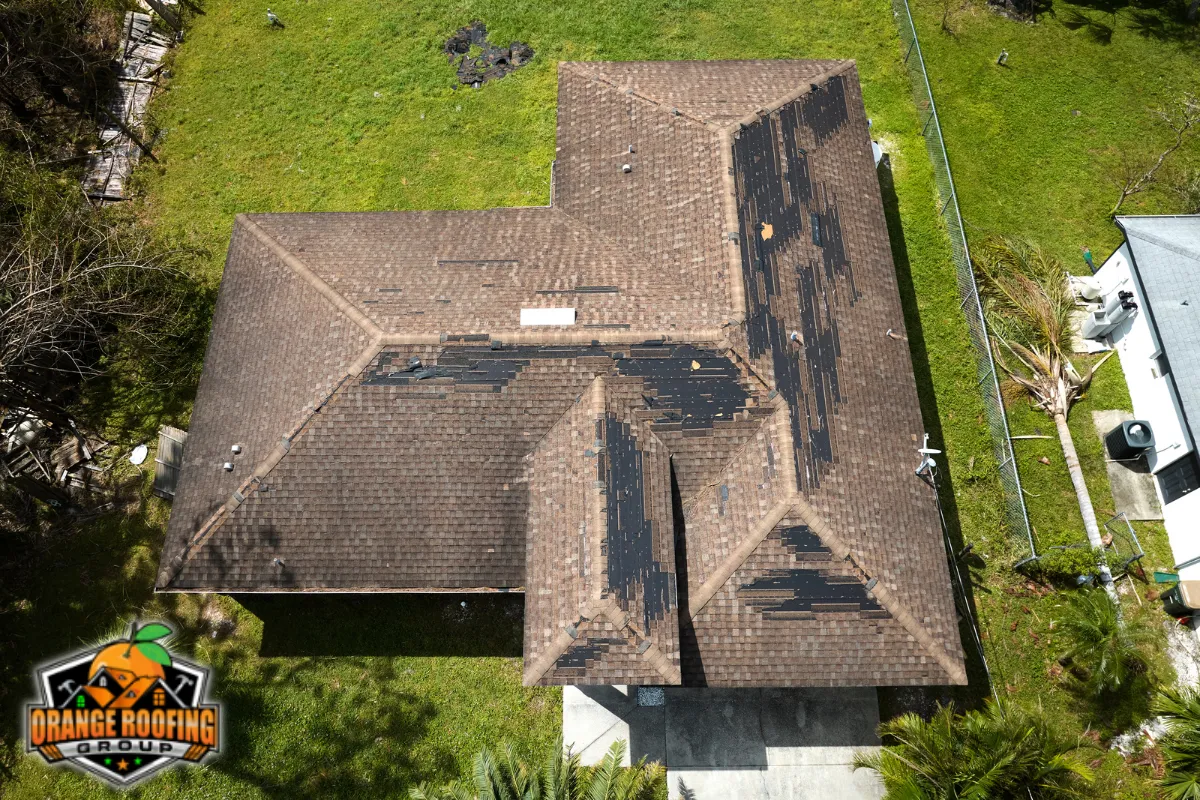
Some post-storm issues seem minor but actually indicate deeper roof or framing damage. Look for signs of sagging or uneven planes in the roof, which can indicate structural compromise from water damage or weakened decking.
Watch for these subtle clues:
- Sagging rooflines visible from street level
- Soft or spongy spots when walking near ceiling areas
- Doors and windows suddenly sticking after storms
- Recurrent gutter overflow despite cleaning
- Fascia boards pulling away from the structure
- Cracked exterior masonry or stucco near the roofline
Repeated minor leaks in the same room often indicate failing underlayment or compromised roof decking rather than just a single loose shingle. Patching the same problem areas repeatedly can mask structural stress that requires more comprehensive roofing repair.
Request a professional assessment instead of continuing temporary fixes. A qualified roofing contractor can determine whether the damage affects only surface materials or extends to the structural integrity of your home.
Read Best Roofing Materials for Staten Island Homes
When Roof Repair Is Enough – And When You Need Roof Replacement
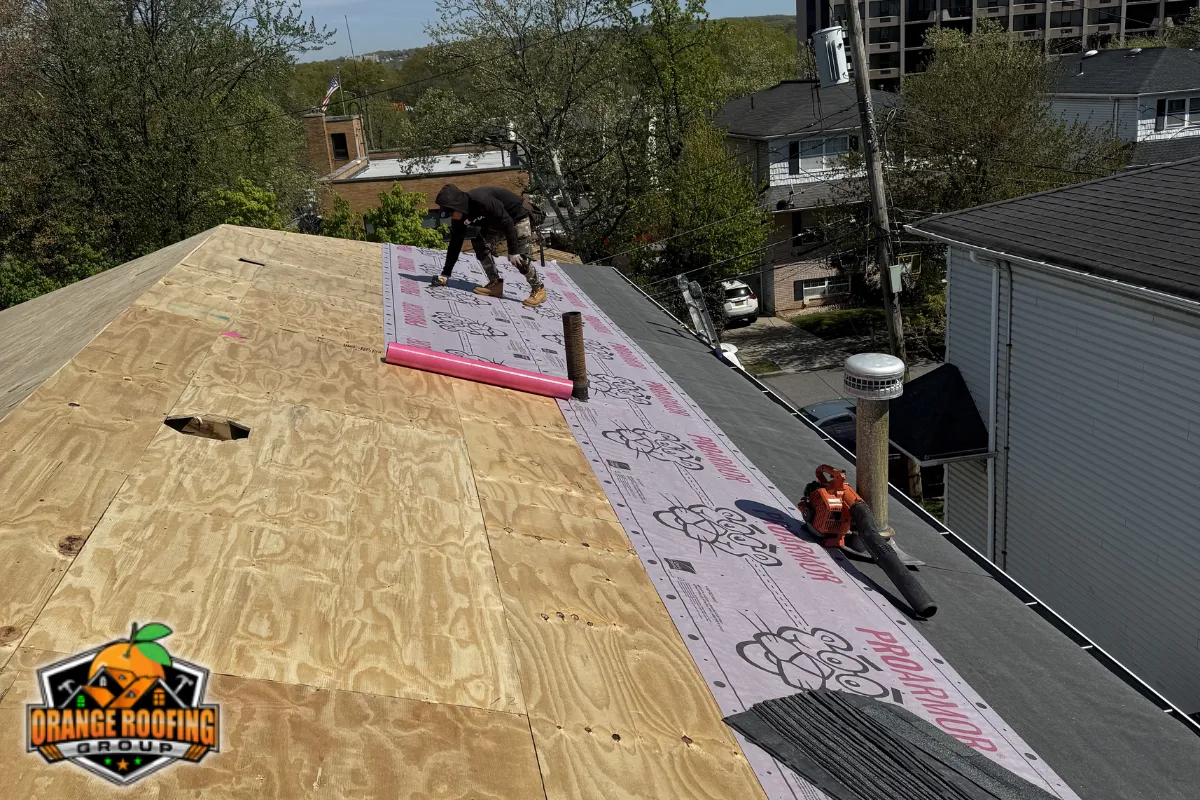
Staten Island homeowners often wonder whether targeted roof repairs make sense or if a new roof becomes the more economical choice. Several factors determine the right path forward.
Consider these variables:
- Roof age: Asphalt shingles typically last 15-25 years, while flat roof systems vary by material type
- Damage extent: Isolated damage versus widespread failure across multiple sections
- Repair history: Previous repairs in the same areas suggest systemic problems
Average roofing costs in New York range from $75 to $150 per hour, with common jobs like flat roof repair costing between $366 and $1,830. Roof installation costs in New York can vary significantly, ranging from $9,760 to $30,500 depending on the complexity and materials used.
Isolated damage—a few missing shingles or a small torn membrane area—can typically be handled with quick repairs by a qualified contractor. However, widespread shingle failure, extensive granule loss, multiple flat roof leaks, or chronic ponding water often point toward roof replacement being more cost-effective long-term.
Reputable roofing contractors provide written inspection reports, repair options, and cost comparisons, often with a free estimate for Staten Island homeowners.
Working With Staten Island Roofing Contractors After a Storm
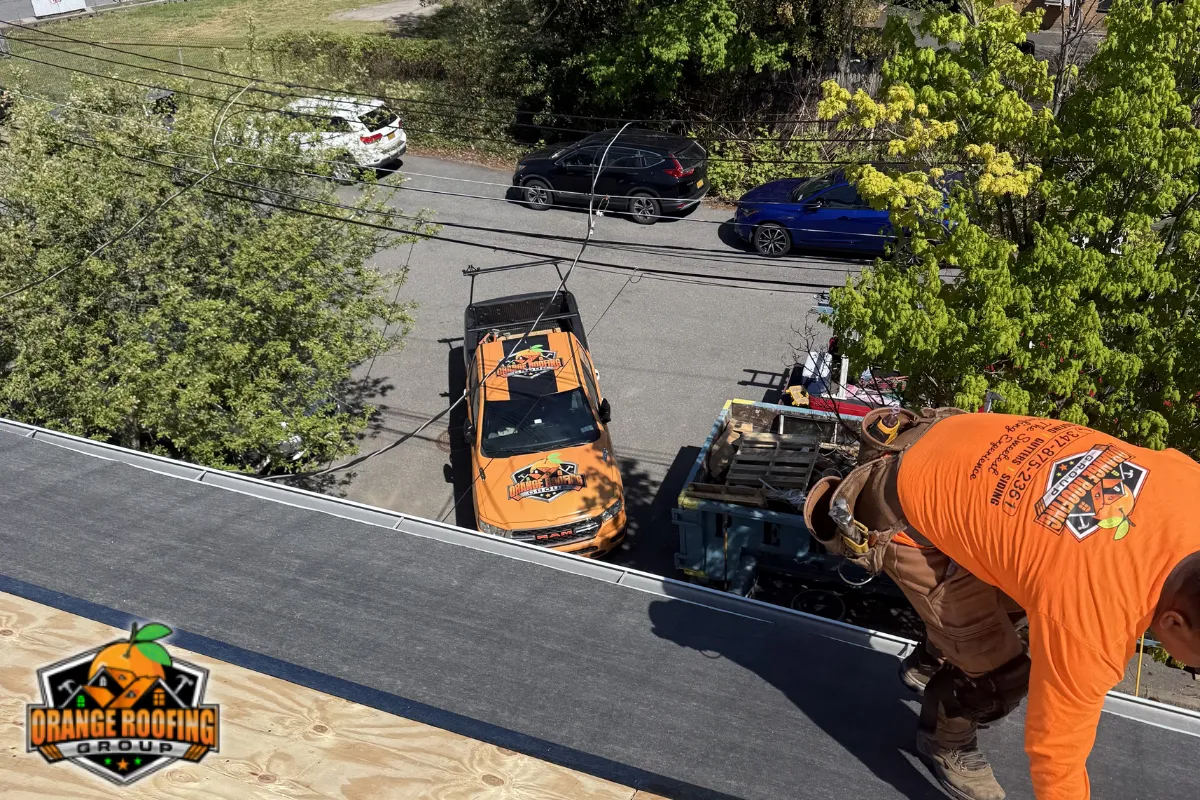
Selecting a trustworthy roofing company in Staten Island after severe weather requires careful vetting. Verify that any contractor holds proper New York State roofing licenses, carries liability insurance, and understands NYC Building Code requirements specific to the borough.
Get multiple written quotes that clearly outline scope of work, roofing materials to be used, and realistic timelines. Emergency roofing services typically cost 1.5 to 2 times the regular rates, reflecting the urgent nature of repairs needed after storm damage.
Watch out for “storm chaser” roofers who appear immediately after major weather events. These contractors often lack local licensing, insurance, and accountability. Choose established York roofers with a physical address, verifiable references, and extensive experience with both residential and commercial properties.
Some roofing companies also coordinate exterior renovations, masonry services, siding work, and gutter installation to address all related storm damage in one comprehensive home improvement project.
Inspecting Gutters, Flashing, and Exterior Details After High Winds
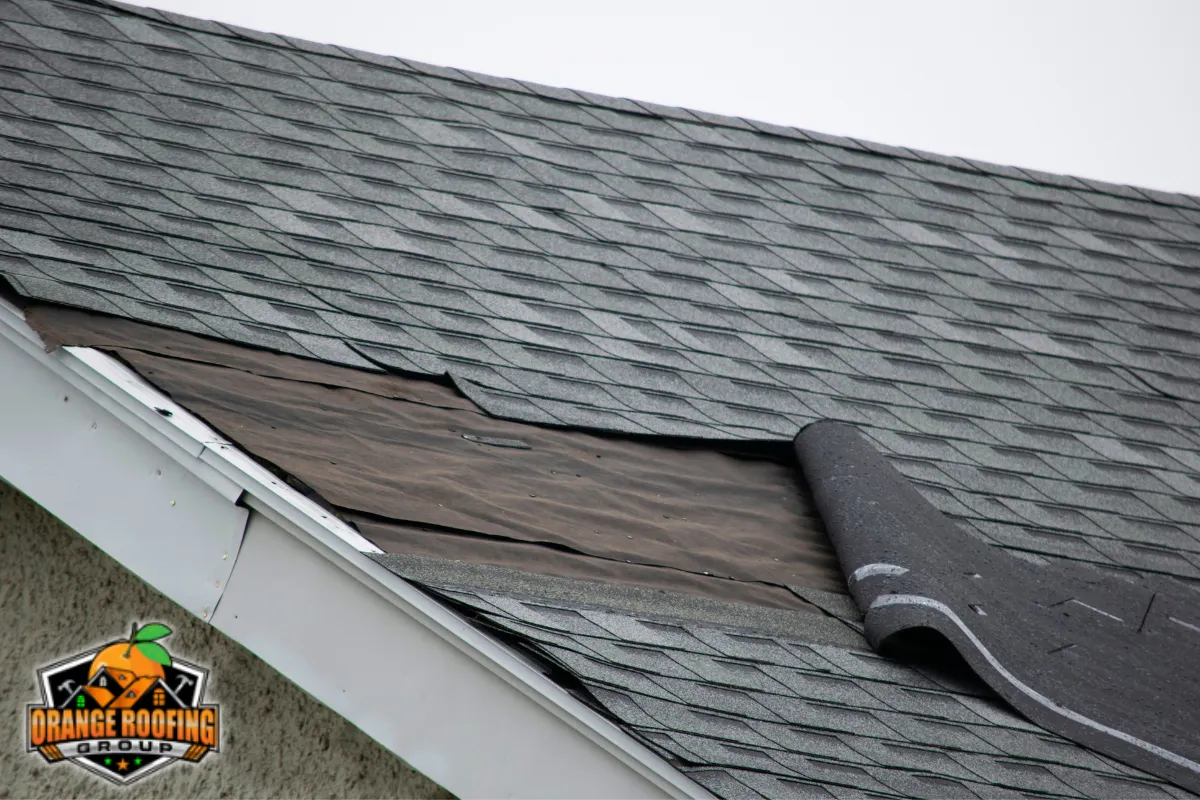
Roofing systems include more than shingles or membranes. Metal trim, gutters, and flashing play crucial roles in preventing water intrusion.
Visually check these items from ground level:
- Bent or missing gutter sections
- Loose or detached downspouts
- Metal flashing pulled away from chimneys, walls, or vent pipes
- Sealant failures around skylights and satellite mounts
Skylights are common sources of roof leaks, and maintaining them by keeping the top free from debris can help prevent water pooling and subsequent leaks. Check for damaged flashing around chimneys, skylights, and vents as it is a common cause of roof leaks on both pitched and flat roofs throughout Staten Island neighborhoods.
Schedule periodic professional roof inspections to tighten, reseal, and repair these vulnerable exterior details before the next storm season arrives.
Handling Insurance Claims for Storm-Damaged Roofs
Working with insurance carriers after roof storm damage follows a fairly standard process for Staten Island homeowners. Acting quickly improves your chances of successful claims.
Follow these steps:
- Document any roof damage with photos for potential insurance claims, as recommended by roofing professionals
- Note the exact storm date and weather conditions
- Contact your insurance company promptly, as many policies require timely notice
- Request an adjuster inspection
Reputable roofers can provide written damage reports and itemized estimates to help you understand what the adjuster evaluates. Coverage often depends on roof age, maintenance history, and the specific cause of damage—whether wind, hail, or falling trees.
Avoid signing contracts with any roofing company that pressures you before you fully understand your coverage and deductible obligations.
Seasonal Maintenance To Reduce Future Storm Damage
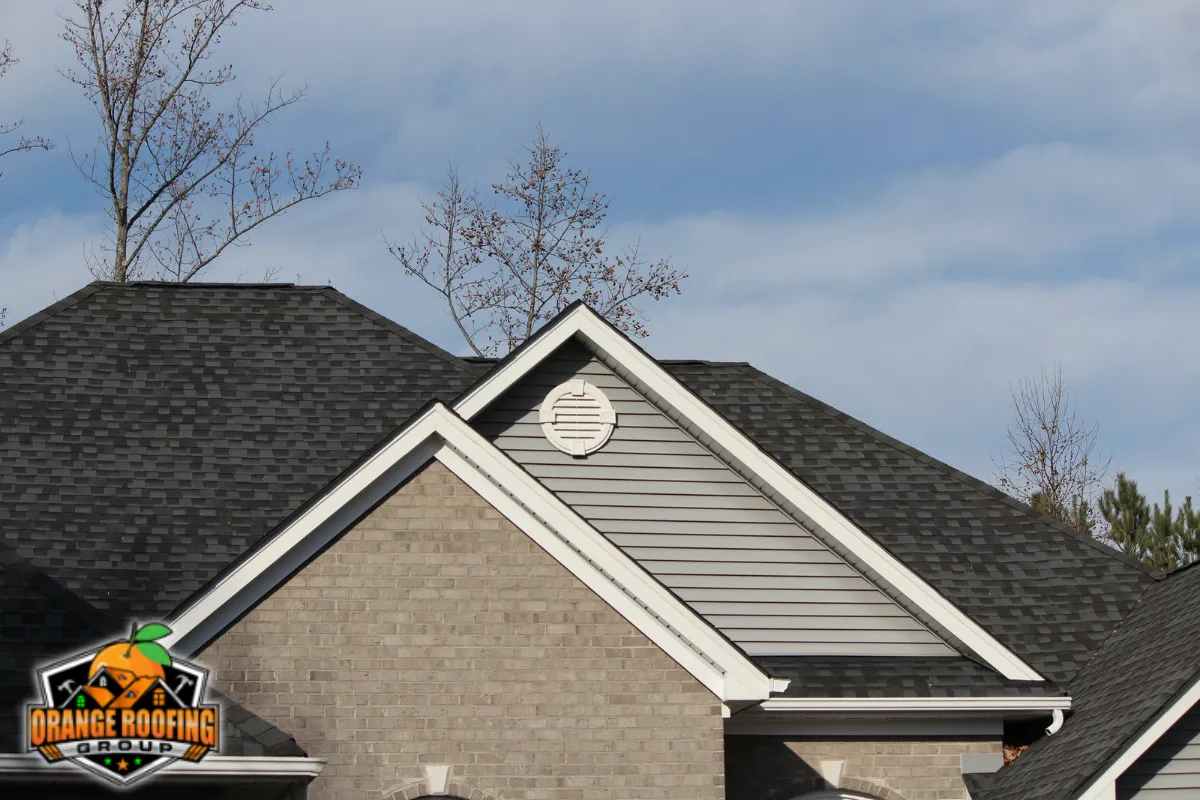
Preventive maintenance directly improves storm performance for both residential and commercial roofing systems. Regular upkeep costs far less than emergency repairs after severe weather.
Practical seasonal steps include:
- Clearing debris from flat roofs and roof valleys
- Cleaning gutters and downspouts before storm seasons
- Trimming tree branches that overhang rooflines
- Checking and resealing caulking around penetrations and flashing
Flat roofs require regular maintenance and inspections to prevent issues such as pooling, loose fasteners, and cracked flashing, which can lead to leaks. Schedule professional inspections before and after peak storm seasons in New York to catch developing problems early.
Small proactive repairs—resealing flashing, tightening fasteners, replacing a few worn shingles—cost a fraction of emergency roof repairs. Good ventilation and proper insulation also help roofing systems handle moisture and temperature swings more effectively after severe weather events.
Storm Damage Roof Repair on Staten Island, NY – Orange Roofing Group
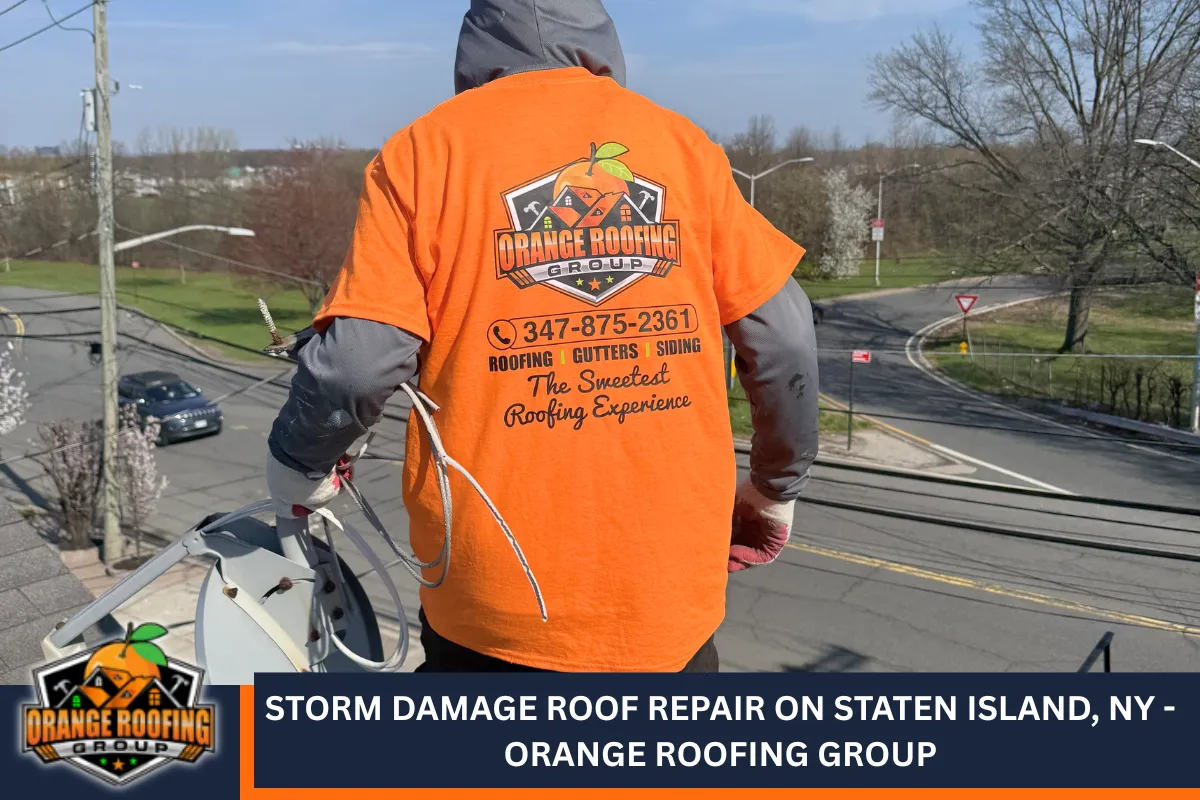
When storms damage your roof, we understand you need fast, reliable solutions from roofing experts you can trust. At Orange Roofing Group, we specialize in storm damage roof repair, comprehensive roof repairs, and complete roof replacement for asphalt shingle and flat roof systems across Staten Island, New York.
Our roofing repair team responds quickly with thorough inspections, detailed written estimates, and emergency repair services after heavy wind or rain events. We work with residential and commercial properties alike, handling everything from small leaks to extensive roofing systems overhauls.
Call us today at (347) 875-2361, fill out our contact form, or visit our location to schedule your free estimate. We are fully licensed and insured roofing contractors ready to protect your property. Let Orange Roofing Group restore your peace of mind with professional roofing services you can count on.
Frequently Asked Questions
How soon after a storm should I schedule a professional roof inspection?
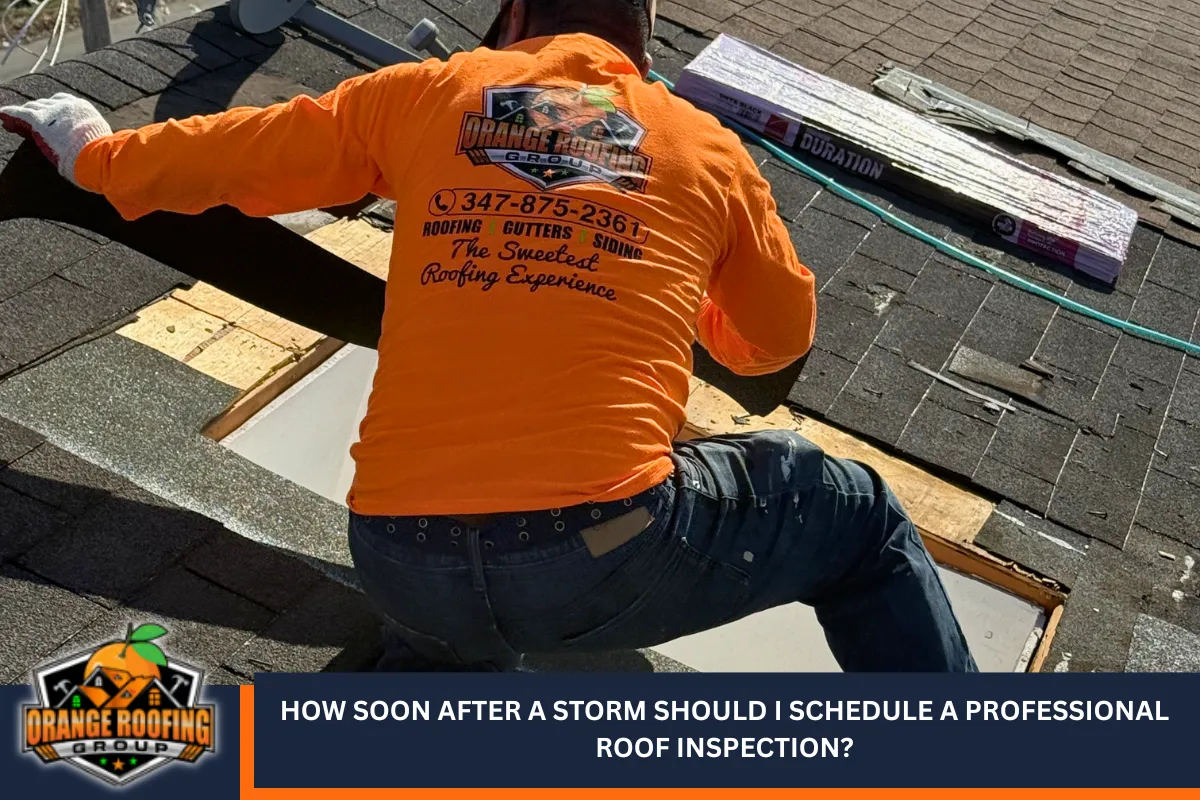
Ideally, contact a roofing contractor within 24-72 hours after significant storm activity. This timing allows any immediate hazards to subside while ensuring damage documentation happens before secondary deterioration begins. Insurance companies often look favorably on prompt inspections because they demonstrate homeowner diligence. Even if your roof appears fine from the ground, hidden damage to underlayment, flashing, or membrane seams may exist. Early inspection also helps you get on contractor schedules before they become overwhelmed with calls from other affected homeowners in your area.
What is the difference between emergency tarping and permanent roof repairs?
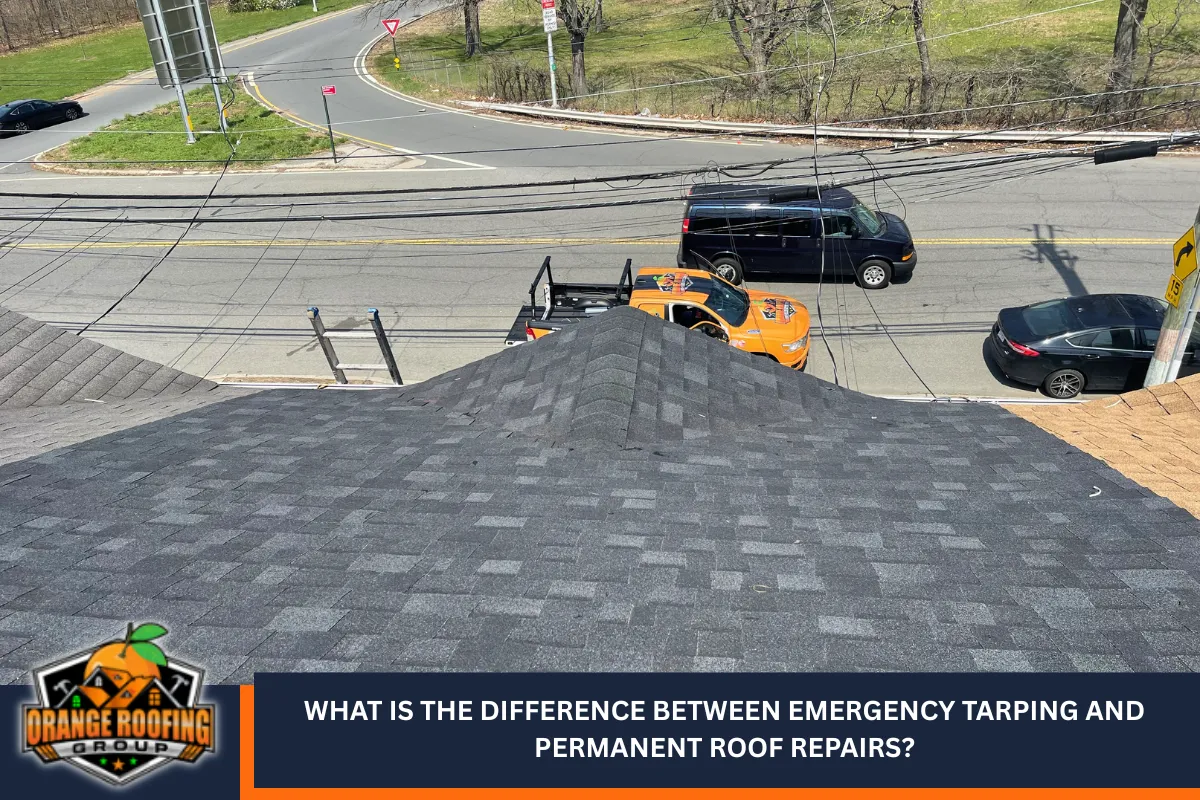
Emergency tarping provides temporary waterproofing protection when permanent repairs cannot happen immediately. Contractors secure heavy-duty tarps over damaged sections to prevent further water intrusion until materials arrive or weather permits proper installation. This service typically costs more per hour due to urgency but prevents exponentially larger interior damage. Permanent repairs involve replacing damaged roofing materials, resealing penetrations, and restoring the roof to its original protective capacity. Tarping buys time, but permanent fixes address the actual structural and material failures that storms caused.
What questions should I ask a roofing contractor before hiring them for storm repairs?
Ask for proof of New York State licensing, liability insurance certificates, and workers compensation coverage. Request references from recent Staten Island projects and verify their physical business address. Inquire about their experience with your specific roof type—whether asphalt shingle, flat membrane, or metal. Get written estimates detailing materials, labor costs, project timeline, and warranty terms. Ask how they handle unforeseen damage discovered during repairs and whether their quote includes permit fees required by NYC Department of Buildings for your project scope.
How are flat roofs temporarily stabilized after storm damage?
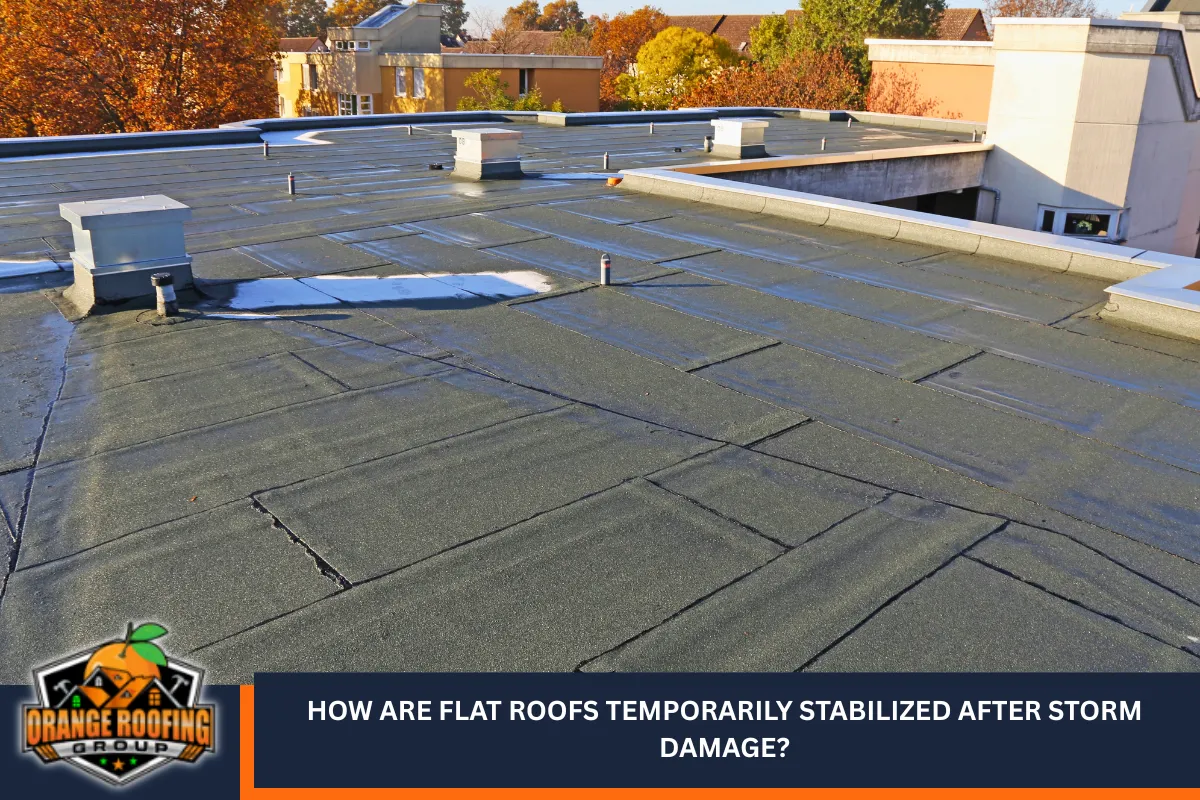
Flat roof emergency stabilization typically involves removing debris, patching visible punctures or tears with compatible membrane patches, and ensuring drains remain clear to prevent ponding. Contractors may apply temporary sealants to compromised seams and install weighted tarps over larger damaged areas. They also check that flashing at parapet walls and penetrations remains secured. For commercial roofing systems with rooftop equipment, technicians verify that HVAC units and other installations haven’t shifted or caused additional membrane damage. These measures prevent interior flooding while permanent repair materials and favorable weather conditions are arranged.
What is the typical timeline for completing storm-related roof repairs?
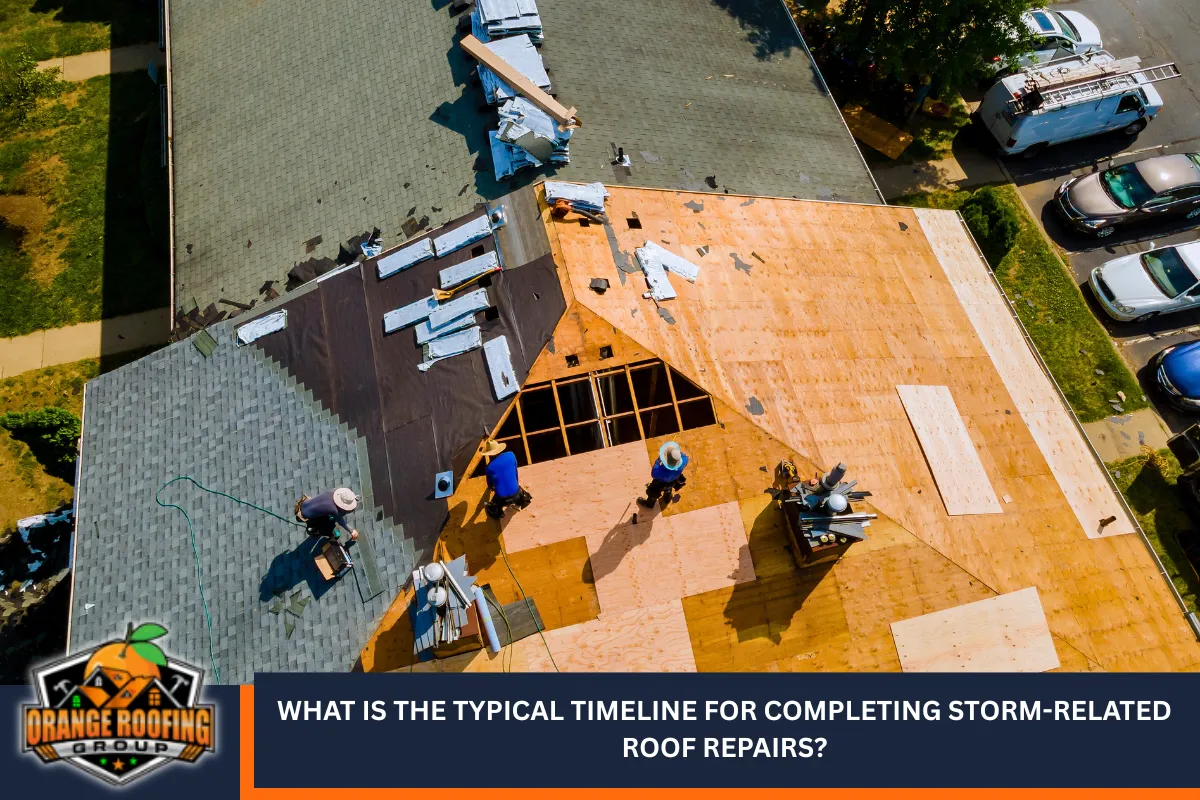
Timeline varies based on damage severity, material availability, and contractor schedules. Minor repairs like replacing a few shingles or resealing flashing typically complete within one day. Moderate damage requiring partial re-roofing or flat roof membrane patches may take two to five days. Complete roof replacement projects generally require one to two weeks depending on roof size and complexity. After major storms affecting many properties, material supply chains and contractor availability can extend these timelines. Requesting early inspections and booking repairs promptly helps secure earlier completion dates before peak demand periods hit.
Disclaimer: Roofing work in Staten Island must comply with NYC Building Code and DOB permitting requirements. This article provides general educational information and does not replace professional roof inspection, engineering advice, or legal guidance on insurance claims. Always consult licensed New York roofing professionals and review current local regulations before starting any major roofing work.