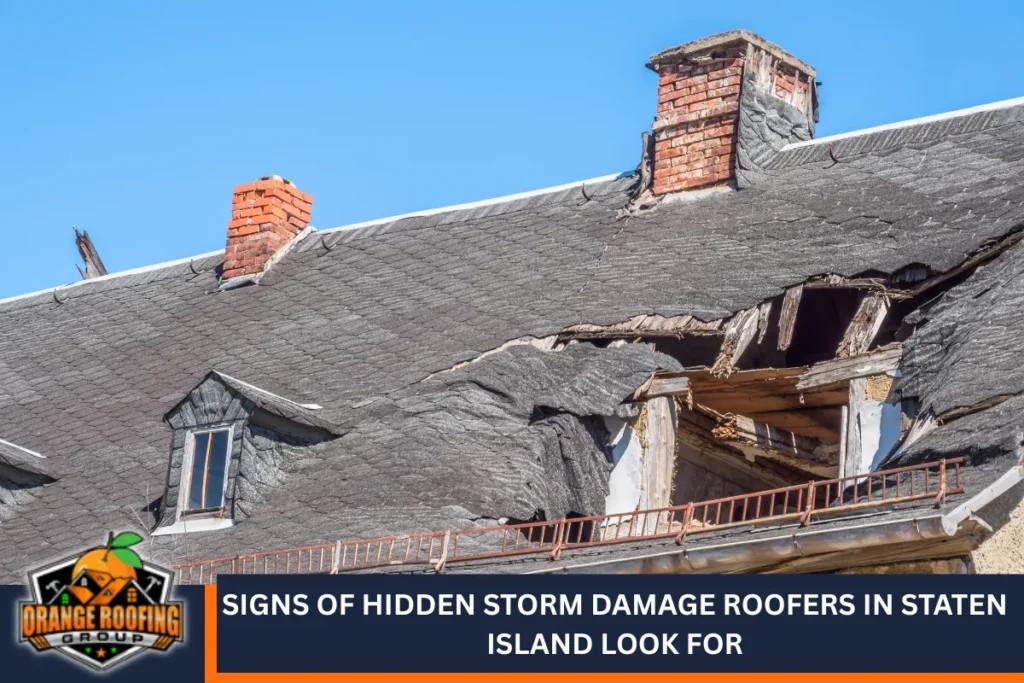
Roofers in Staten Island see it after every major storm: a homeowner assumes their roof made it through just fine because nothing looks wrong from the driveway. Weeks later, water stains bloom across ceilings and walls, and what could have been a straightforward roof repair turns into a costly headache involving mold remediation and decking replacement. The problem is that most storm damage is invisible from the ground. Severe weather leaves behind subtle signs that only a trained eye can catch, and every day you wait gives that hidden damage more time to spread. This article breaks down exactly what experienced roofing contractors look for after storms hit Staten Island, so you know when to call for help and how to protect your property before small issues become expensive emergencies.
Key Takeaways
- From the street, a storm-damaged roof can look perfectly fine. Local roofers rely on close-up inspections to spot subtle hail bruises, lifted shingles, and compromised flashing.
- Common hidden issues after heavy rain and wind include granule loss on asphalt shingles, broken shingle seals, and slow attic leaks that only show up weeks later.
- A professional inspection and clear documentation are critical if you plan to file an insurance claim for roof repairs or a full replacement in Staten Island.
- Act fast after severe weather. Catching roof damage early helps prevent mold, structural rot, and expensive interior restoration work.
- Working with an experienced roofing contractor who understands New York building codes ensures repairs are safe, code-compliant, and built to handle future storms.
Storm Damage on Staten Island Roofs: Why You Can’t Trust a Quick Glance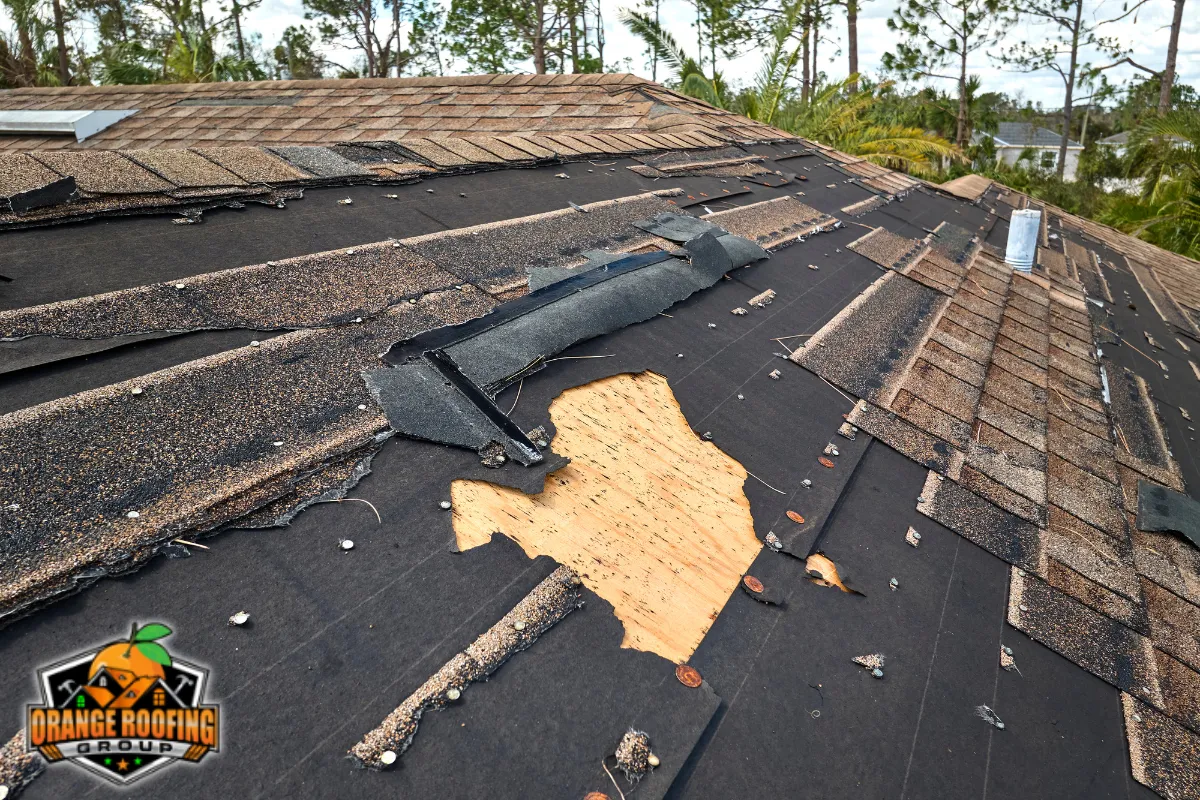
Staten Island sits in a unique weather corridor. Nor’easters roll through during fall, winter, and early spring, delivering high winds, driving rain, and ice. Atlantic tropical storm remnants hit during hurricane season, bringing intense downpours and hail. Summer microbursts can generate sudden gusts strong enough to lift shingle tabs in seconds. Each type of storm stresses roofing systems differently, from wind uplift and water intrusion to impact marks from hail strikes.
Here is the challenge most homeowners face: roof damage from these events often starts as microscopic cracks, loose seals, or minor granule loss that you cannot see from the ground. These small defects still void manufacturer warranties and immediately begin shortening your roof’s lifespan. A storm-compromised roof can accumulate more damage over time, turning a small issue into a major structural problem.
Hidden damage includes bruised shingle mats, lifted but not missing shingles, hairline flashing gaps, and slow attic leaks. None of these are obvious from your yard, but all of them lead to further damage over the following months. Storm damage can lead to significant structural issues if left unaddressed, which is why experienced local roofers use checklists, dated photos, and moisture readings as part of every post-storm professional inspection.
Weather conditions in Staten Island make thorough inspection essential. Roofing contractors cross-reference local weather station data to confirm whether hail, wind speed, or rainfall totals were severe enough to cause the kind of damage they find on your roof.
Key Signs on Asphalt Shingles Staten Island Roofers Look For Up Close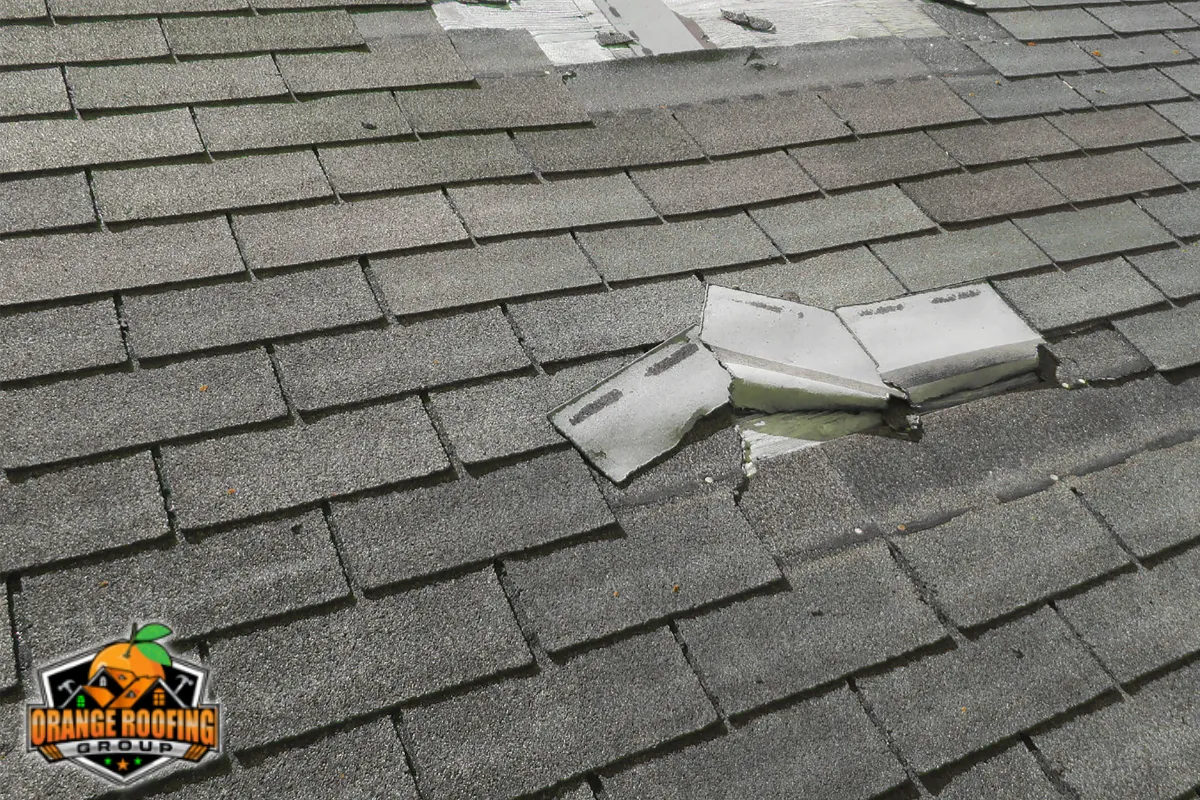
Asphalt shingles are the most common roofing material on Staten Island homes, and they also happen to be one of the most vulnerable to storm damage. A roofing company conducting a post-storm evaluation focuses on three categories of shingle damage.
Hail Damage Indicators
Hail can bruise shingles and knock off granules, even when the impact does not crack the shingle completely. Roofers look for dark spots, which are round or circular bruises where granule loss has exposed the black asphalt substrate underneath. These areas feel soft or spongy under light finger pressure, indicating a broken shingle mat beneath the surface. Granule loss can be identified by dark spots on shingles that are concentrated in impact zones. Industry guidelines note that hail must typically reach three-quarter-inch to one-inch diameter before it causes noticeable bruising on newer shingles, but older or brittle roofs can sustain damage from smaller hail.
Hail can knock granules off shingles, exposing asphalt to direct sunlight and moisture. This granule loss exposes shingles to UV damage and leaks, accelerating the aging process far beyond normal wear.
Wind-Related Shingle Issues
High winds can cause shingles to crack or loosen without tearing them off the roof entirely. Wind can crack the adhesive seal of shingles without removing them, so the shingle looks intact from the ground but lifts easily by hand during inspection. Roofing contractors look for creased shingles along the tab line, slight misalignment or waviness in rows, and tabs that no longer lay flat. Inspectors look for horizontal black lines on asphalt shingles that indicate integrity loss along the seal strip.
Age-Plus-Storm Interaction
Older shingles become brittle over time. A single event with heavy rain and gusty wind can cause cracking at nail heads or corners on a roof near the end of its service life. When widespread damage appears across multiple roof faces, insurance adjusters often determine that a full roof replacement, not just targeted repairs, is warranted under policy terms.
Staten Island roofers check ridge caps, hips, and valleys carefully because these high-stress areas along roof edges often show early storm wear before the main field shingles do. Repairing roofs quickly in these specific locations can prevent leaks from spreading laterally under the shingle surface and causing underlayment or decking deterioration.
Granule Loss, Gutter Clues, and Other Ground-Level Signs Homeowners Can Spot
While a full roof repair diagnosis needs a professional, homeowners can safely identify common signs of storm damage from the ground and in their gutters before calling a roofing company.
What to Check in Gutters and Downspouts
After a storm, look for these clues during your next gutter cleaning or walkthrough:
- Large accumulations of shingle granules that look like coarse black or gray sand sitting in gutters or pooled at downspout exits.
- Shingle fragments, torn tabs, or asphalt crumbs washed down after heavy rain.
- Dents in aluminum gutters and downspouts. Dents on metal components indicate hail impact on the roof above, even if shingles appear undamaged from the ground.
Visual Checks From the Yard
Walk around your property and look up at the roofline for these key signs:
- Missing shingles, obvious holes, or bright underlayment showing through where tabs have torn away.
- Curled shingles or lifted edges visible along eaves and roof peaks.
- Bent metal on fascia, drip edge, or visible flashing that might signal more serious roof damage above.
- Bare patches where granules have washed away, leaving the shingle surface looking dark and uneven.
Collateral Property Damage
Inspect your surrounding property for dented metal AC units, damaged siding, or broken patio furniture. These suggest hail strong enough to compromise your roof as well. If neighboring homes have tarps or active roof repairs, your property was likely in the same storm path and deserves a closer look.
Water leaks can cause staining on ceilings and walls inside your home, so check upper floors and areas near skylights for new discoloration. Always stay off the roof for safety. Take clear photos from the ground to share with local roofers or a roofing contractor for a preliminary opinion.
Hidden Problems Under Shingles and in the Attic That Reveal Storm Damage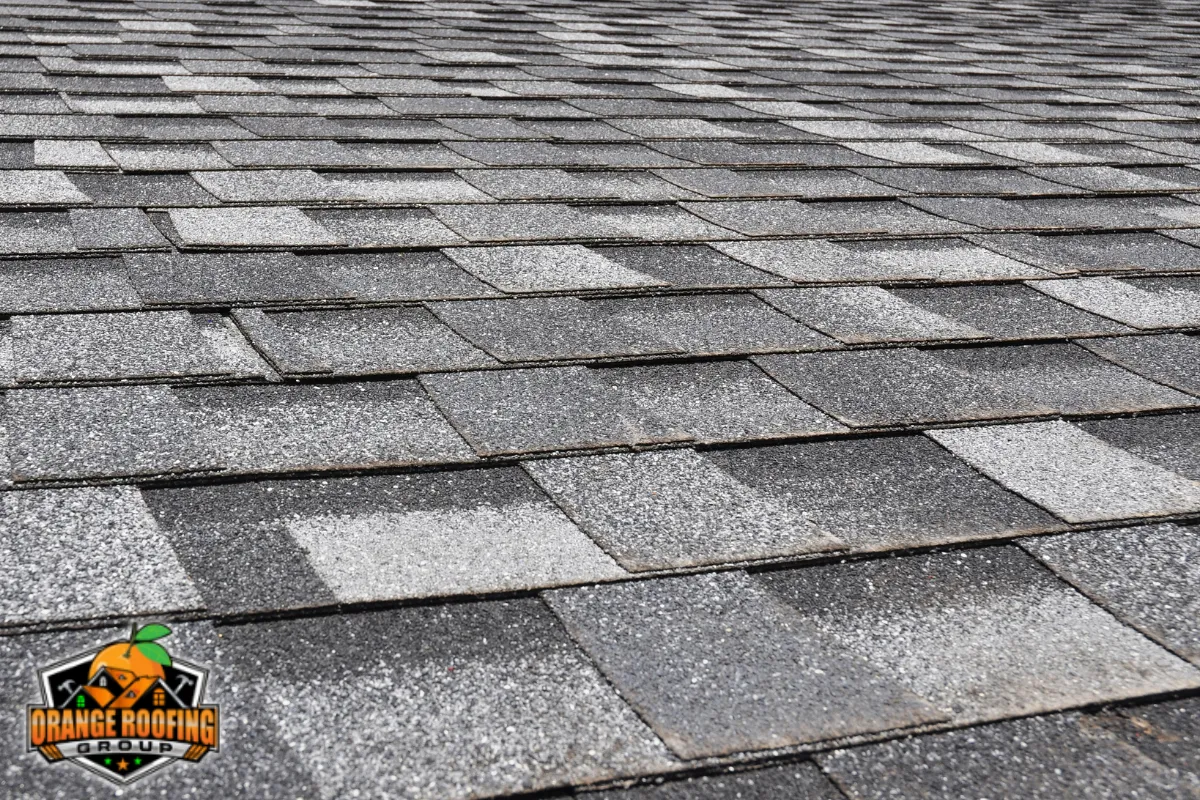
Some of the most damaging consequences of severe storms never show on the shingle surface. Roofers discover these problems once they are on the roof or inside the attic, and catching them early is crucial for preventing costly storm damage restoration.
Under-Shingle and Decking Problems
Inspectors check for signs of soft or spongy roof decking during walk-through assessments. This soft feel underfoot means wood sheathing has absorbed moisture from previous storms where shingles lifted or flashing failed. Severe wind can cause sagging, indicating damaged decking that requires immediate repair before the next storm hits.
Nail pops, where fasteners back out after high winds, are another hidden concern. Each popped nail is a small point of water entry. Roofers may also find torn or wrinkled underlayment when lifting damaged shingles during repair, confirming that water intrusion has been active beneath what looked like an intact roof.
Attic Warning Signs
Water intrusion can cause damage to the attic before it is visible indoors. Inspectors check attics for water stains and damp insulation indicating leaks. Specific things roofers look for include:
- Fresh water stains, dark streaks, or ring-shaped marks on the underside of roof sheathing.
- Wet insulation that is compacted or moldy, signaling an ongoing leak rather than a one-time drip.
- Daylight showing through nail holes or gaps in decking at ridge vents, pipe penetrations, or where flashing has failed.
Attic inspections can reveal hidden signs of water intrusion and moisture that would otherwise go unnoticed for months.
Musty Odors and Mold
A subtle musty smell after a series of storms often points to slow, hidden roof leaks. New York building and health guidelines treat mold as a serious indoor air quality concern needing prompt mitigation, so ignoring that smell is a mistake.
Professional roofing services use moisture meters to test for moisture inside the attic or under roofing membranes. Infrared scanning can detect temperature differences indicating hidden moisture behind walls and ceilings. Some roofing contractors also use borescopes to trace water migration paths that are otherwise impossible to see.
Read Why Roofers in Staten Island Warn Against Ignoring a Slow Roof Leak
Flashing, Vents, and Roof Penetrations: Small Components, Big Storm Risks
Metal flashings, rubber vent boots, and sealant around chimneys are frequent leak sources after storms, even when shingles appear intact. These are the weak points that roofing contractors examine most closely.
Flashing Problems
Step flashing around side walls can work loose under wind-driven rain. Counter-flashing at chimneys may separate from brick mortar joints after freeze-thaw cycles, which are common in Staten Island winters. Strong gusts can shift or bend flashing, causing hidden leaks that only show up during the next heavy rain. Even tiny bends, dents, or pinholes in metal flashing caused by hail damage can rust through over time. Damaged flashing can lead to significant water leaks that are difficult to trace without removing surrounding materials.
Reputable roofing companies in Staten Island follow New York City Building Code requirements for flashing height, overlap, and corrosion resistance. Proper flashing replacement, not just caulking over gaps, is needed for long-term leak protection and code compliance.
Vent and Penetration Issues
Loose or damaged pipes and vents can allow water to enter homes during storms. Cracked rubber pipe boots around plumbing vents split further during high winds or temperature swings. Loose fasteners or deteriorated gaskets on attic fans, satellite mounts, and skylights create entry points for water. Sealant failure around vent stacks and exhausts is another problem that storm water exploits quickly.
Every penetration through the roof is a potential failure point, and even if field shingles survived a storm unharmed, these components may not have. Quality materials and code-compliant installation make all the difference in how these details perform during severe storms.
When a Professional Inspection Beats DIY: Safety, Accuracy, and Insurance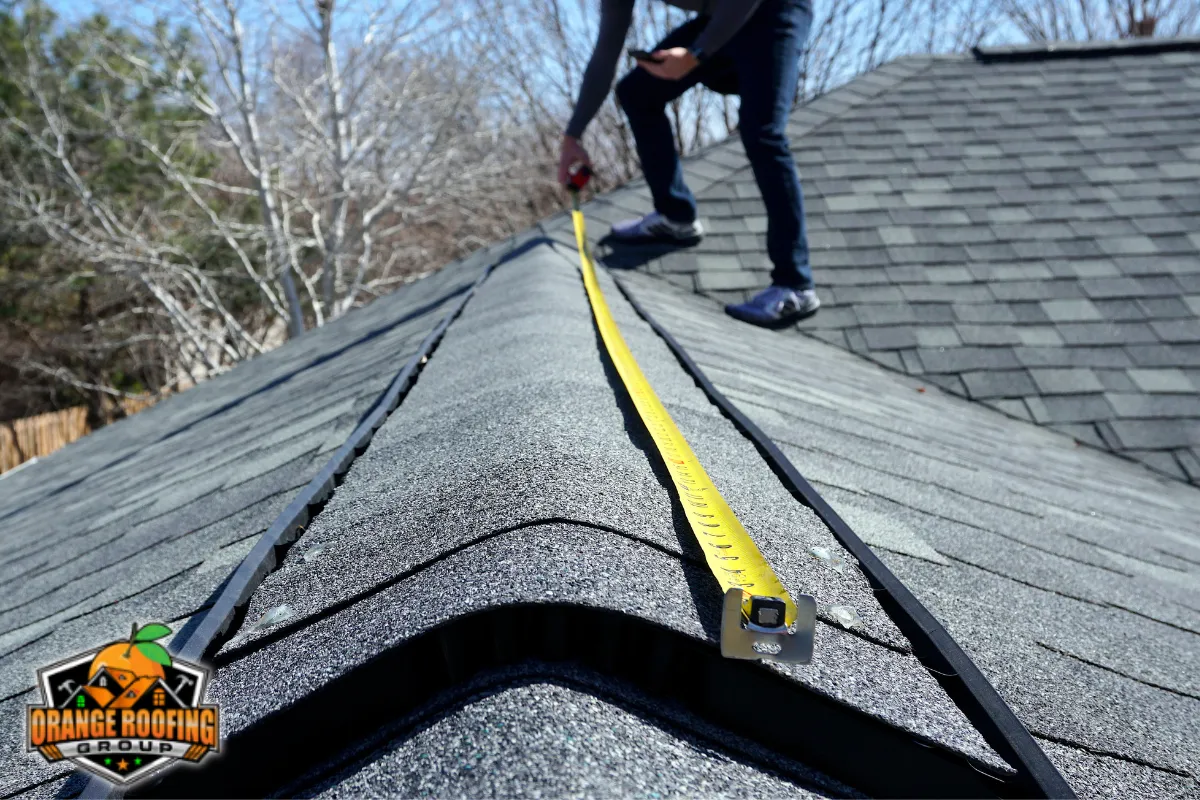
There is no substitute for having a qualified roofing contractor walk your roof after a storm. Professional inspections reveal hidden damage not visible from the ground, and they create the documentation you need for insurance claims.
Safety First
Climbing steep or wet roofs with loose granules underfoot is dangerous. New York-area liability concerns add another layer of risk. Homeowners should avoid letting unlicensed people onto their roofs, both for safety and because any damage caused during an amateur inspection may not be covered by insurance.
What a Full Inspection Includes
Roofers assess storm damage by looking for hidden signs of structural integrity across every surface. Contractors use a systematic grid method for detailed roof inspections, examining all slopes, ridges, valleys, and penetrations methodically. A thorough inspection includes:
- Close-up examination of asphalt shingles for granule loss, bruises, tears, lifted tabs, and impact marks.
- Checking gutters, siding, soffits, and fascia for collateral storm damage.
- Attic walkthrough looking for water stains, wet insulation, soft spots, and daylight penetration.
- Testing with moisture meters and thermal cameras when water migration paths are unclear.
Insurance Claim Advantages
Clear photo documentation with dates and descriptions supports an accurate assessment for your insurance claim. Written reports that differentiate pre-existing wear from fresh storm damage give adjusters the information they need to approve coverage. The roofing contractor can coordinate directly with your insurance adjuster to agree on the scope of roof repairs or replacement.
Many roofing companies offer post-storm roof repair estimates and can install emergency tarps to prevent further damage while the claim is reviewed. Ignoring roof damage can lead to costly repairs later, so scheduling an inspection promptly is always the smarter financial decision.
Insurance Claims, Documentation, and Why You Must Act Fast After a Storm
Most homeowners insurance covers storm damage from wind and hail, but prompt action and solid evidence are essential to getting your claim approved.
Step-by-Step Documentation
After severe weather passes:
- Record the storm date and keep any local weather alerts or news reports saved.
- Document damage with clear photos and videos of visible issues on the roof, gutters, siding, and interior ceilings as soon as it is safe to do so.
- Contact your insurance agent to initiate a damage claim and ask about timelines, deductibles, and specific procedures for storm-related roof repairs.
Documenting damage is essential for insurance claims. Claims require documentation of specific damage before repairs begin, so resist the urge to patch things up before your adjuster visits.
The Roofer’s Role in Your Claim
A roofing contractor provides a detailed inspection report and repair estimate that your insurer can reference. Insurance adjusters inspect roofs to verify damage claims, and having a knowledgeable roofer on-site during the adjuster’s visit helps ensure less obvious damage, such as hail bruising and subtle shingle creases, is not overlooked. Your roofer can also help distinguish between an insurance claim for storm damage and routine maintenance work that falls outside coverage.
Why You Cannot Wait
Many policies require that you report potential claims within 30 to 60 days after discovery. In New York, most homeowners policies include suit-limitation clauses that restrict legal action to two years from the date the claim accrues. Waiting too long allows further damage to develop, giving insurers grounds to argue that part of the loss was preventable.
Common coverage terms like replacement cost versus actual cash value affect how much you receive, so read your policy carefully or speak with a licensed agent. Some New York-area policies carry windstorm deductibles ranging from one to five percent of dwelling insurance value for wind damage, which is important to understand before filing.
Practical Steps Staten Island Homeowners Should Take After Every Major Storm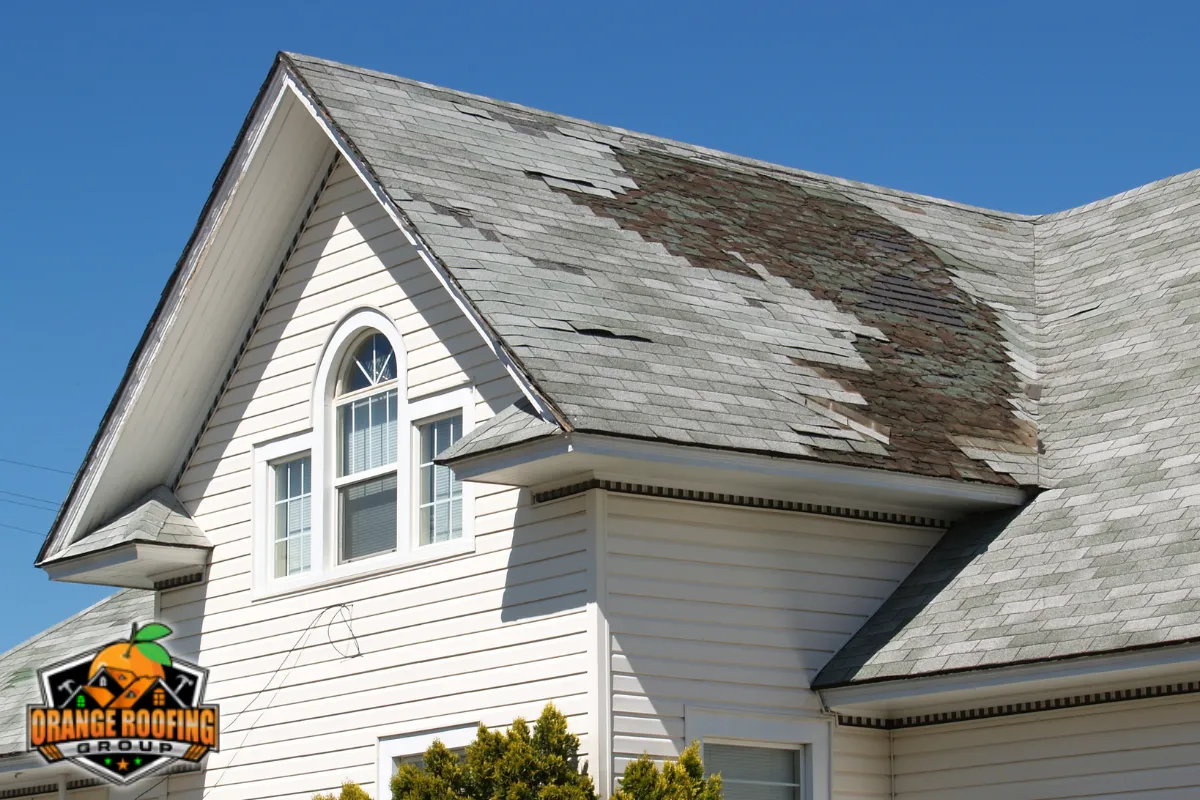
Taking action quickly after a storm protects your roof, your wallet, and your insurance coverage. Here is a straightforward plan.
Immediate Actions
Walk around the yard and perimeter to check for fallen branches, missing shingles, and damaged gutters. Look inside for new ceiling stains, drips, or bubbling paint on upper floors and near skylights. Take notes on the time, date, and type of storm, whether it involved hail, high winds, or heavy rain, for future reference.
Contact Local Roofers
Schedule a professional inspection if there is any suspicion of hail damage, wind uplift, or new leaks. Choose licensed, insured roofing contractors familiar with Staten Island and NYC regulations. Avoid storm-chasing out-of-state companies that show up uninvited after severe storms. Under New York General Business Law, contractors who offer to waive your insurance deductible are breaking the law, which is a red flag worth knowing.
Maintenance Between Storms
Consistent upkeep goes a long way toward protecting your roofing systems between major weather events:
- Keep gutters and downspouts clear so water can drain during downpours. Regular gutter cleaning prevents backups that force water under roof edges and into ice dams during winter.
- Trim overhanging tree limbs that could abrade shingles or break in high winds.
- Plan periodic roof repairs and maintenance checks every one to two years, even without a major storm.
These steps help extend the life of asphalt shingles, reduce urgent repairs, and make any future insurance claim smoother by showing responsible upkeep. Roofing solutions built on prevention always cost less than emergency restoration.
Roofers in Staten Island – Orange Roofing Group
At Orange Roofing Group, we are a local roofing company based right here in Staten Island, New York, and we have spent years helping homeowners recover from storm damage with reliable roof repair and honest guidance. After hail, wind, or heavy rain, we provide fast and thorough inspections, clear written estimates, and quality workmanship that meets NYC building code requirements.
If you have noticed possible roof damage, granule loss, leaks, or you simply want peace of mind after a recent storm, call us at (347) 875-2361. We offer accurate assessments, help with insurance documentation, and we walk you through whether targeted repairs or full replacement makes the most sense for your situation.
Reach out through our website contact form or visit us in person to discuss your roofing service needs. We are proud that many Staten Island homeowners consider Orange Roofing Group among the best roofing companies in the area, and we look forward to earning your trust.
Frequently Asked Questions
How soon after a storm should I have my Staten Island roof inspected?
Ideally within a few days to two weeks after severe weather. Scheduling promptly matters because most insurance policies require timely reporting of potential damage. If you wait several months, moisture can spread through decking and insulation, turning a minor leak into a major project. Roofers typically prioritize emergency leaks and active water entry first, then schedule preventive inspections for homeowners who suspect damage but do not have visible leaks yet. The sooner a roofing contractor documents the condition of your roof relative to a specific storm date, the stronger your position if you need to file a claim later.
Can small leaks wait, or should I call a roofer right away?
Small leaks should never wait. Even a slow drip can saturate insulation, promote mold growth behind walls, and weaken structural framing over just a few weeks. What seems like a minor issue today can require extensive storm damage restoration later. Many roofing contractors offer temporary solutions like emergency tarps or sealant patches to stop water entry while you arrange a permanent roof repair. Addressing leaks quickly also preserves your insurance coverage, since insurers can deny portions of a claim if they determine you allowed preventable secondary damage to occur by delaying repairs.
What should I ask a roofing contractor before hiring them for storm damage repair?
Start by verifying their license and insurance. In New York City, roofing contractors must carry proper liability and workers compensation coverage. Ask for local references from recent storm damage projects in Staten Island specifically. Request a written estimate that itemizes materials, labor, and any applicable permits. Confirm whether they have experience working directly with insurance adjusters and whether they will provide the detailed documentation your insurer requires. Ask about warranties on both materials and workmanship. Finally, be cautious of any contractor who offers to waive your deductible, as this violates New York General Business Law.
Will storm damage always mean I need a full roof replacement?
Not always. Many storm events cause localized damage that can be addressed with targeted repairs, such as replacing a section of shingles, resealing flashing, or fixing a damaged vent boot. However, when an inspector finds widespread granule loss, multiple areas of hail bruising, or broken seals across most of the roof, a full replacement often makes more financial sense than patching. The age and overall condition of your roof also factor in. A fifteen-year-old roof with extensive storm damage may qualify for replacement under your insurance policy, while a five-year-old roof with minor impact marks might only need spot repairs.
How can I prepare my roof before storm season in Staten Island?
Preventive maintenance is the most cost-effective way to minimize storm damage. Start with gutter cleaning to ensure water flows freely during downpours and does not back up under shingles or cause ice dams in winter. Trim tree branches that hang over your roof, since broken limbs are a leading cause of shingle and gutter damage during high winds. Have a reputable roofer perform a maintenance check to address cracked caulk, worn vent boots, loose flashing, or any curled shingles before they become entry points for water. Check your attic for adequate ventilation and any existing moisture issues. Building a relationship with a trusted roofing company means you can get faster service when storms do hit.
Disclaimer: This article provides general information and is not a substitute for professional legal, insurance, or construction advice. Homeowners should consult licensed roofing contractors, their insurance providers, and the New York City Department of Buildings for current codes, permit requirements, and coverage details before beginning any roofing project.
Read How to Repair a Leaking Chimney or Vent Pipe: Staten Island Roof Repair Guide