Roof Problems Facing Great Kills, New Dorp, and Eltingville
Roof problems across Great Kills, New Dorp, and Eltingville tend to show up at the worst possible time – water stains spreading across a bedroom ceiling after a nor’easter, or missing shingles spotted only when a neighbor points them out. Staten Island homeowners along the south shore live in one of the most weather-exposed corridors in New York City, and that exposure takes a measurable toll on every roofing system overhead. Left unchecked, even small leaks invite mold growth, structural damage, ruined insulation, and higher energy bills that climb each month. A qualified roofing company can catch these issues early, saving thousands in costly repairs. This article walks through the most common local roof issues, warning signs to watch for, and when to call a roofing contractor on Staten Island NY.
Key Takeaways
- Roof problems in Great Kills, New Dorp, and Eltingville are commonly driven by coastal Staten Island weather, aging roofing materials, and poor prior installation practices.
- The most frequent issues include roof leaks, shingle damage, flat roof ponding, flashing failures, clogged gutters, and ice dams during winter freeze-thaw cycles.
- Fast action and a qualified roofing contractor or roofer make the difference between a minor fix and a full roof replacement for Staten Island homeowners and small businesses.
- Orange Roofing Group on Staten Island, New York offers local roofing service to diagnose, repair, and prevent these issues before they escalate.
How Staten Island’s South Shore Climate Damages Roofs
Great Kills, New Dorp, and Eltingville sit along the Lower New York Bay, and that geography creates a punishing combination for roofs. Roof problems are often influenced by coastal climates, and these neighborhoods get the full range of exposure year-round.
- Coastal salt air accelerates corrosion of metal roofing components, including flashings, fasteners, and gutters. The constant salt spray shortens the useful life of parts that would last years longer in inland areas.
- Winter freeze-thaw cycles expand and contract roofing materials repeatedly, cracking older membranes and loosening shingle adhesive bonds.
- Summer heat waves on south-facing slopes cause UV degradation and thermal cycling that dry out asphalt shingles faster than expected.
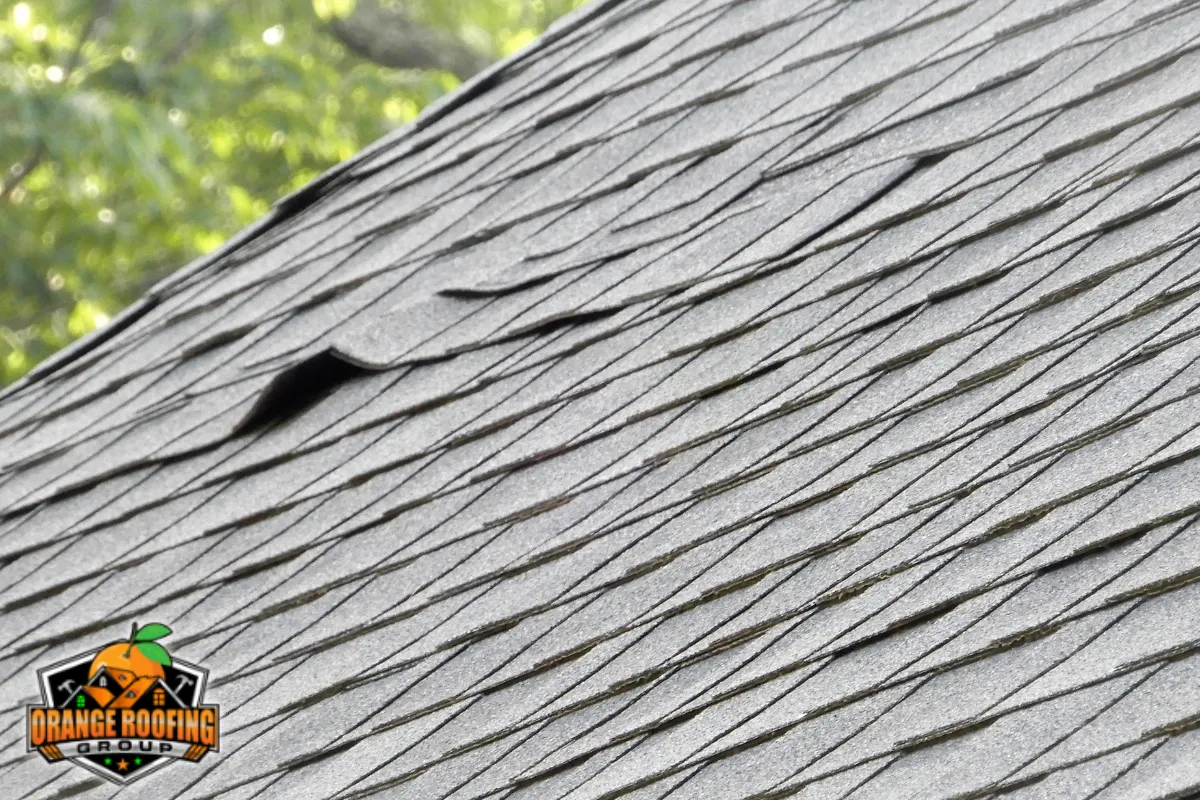
- Coastal neighborhoods experience wind storms that cause premature shingle damage, especially during nor’easters that deliver sustained 40 to 60 mph gusts along with heavy rain.
- NYC hazard mitigation reports document multiple serious nor’easters between 2021 and 2025, bringing heavy precipitation and coastal flooding that hit south shore properties hardest.
Roofing contractors familiar with Staten Island New York weather conditions and local building codes can recommend roofing materials and roof installation methods designed for this microclimate, which matters more than most homeowners realize.
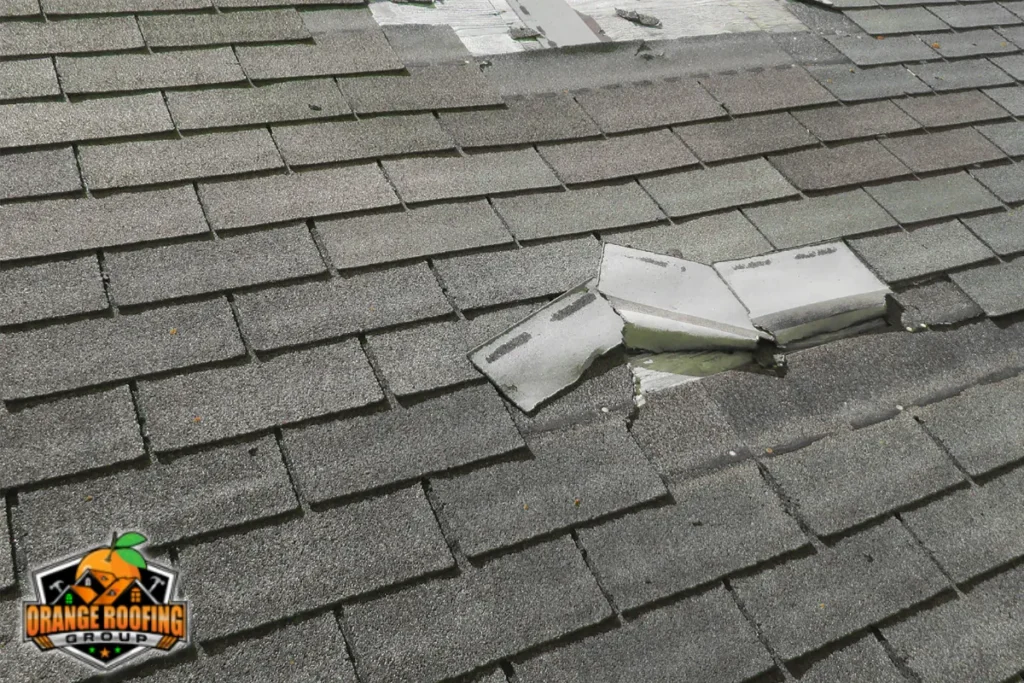
Typical Asphalt Shingle Roof Problems in Great Kills, New Dorp, and Eltingville
Most homes in these neighborhoods have pitched roofs covered in asphalt shingles installed 15 to 30 years ago. Asphalt shingles typically last 20 to 30 years under ideal conditions, but contractors on Staten Island report that coastal exposure often reduces real-world lifespan to roughly 18 to 22 years. Asphalt shingles last approximately 20 years on average in these conditions. Here are the most common shingle failures roofers encounter locally:
- Curling, cracking, and granule loss. Deterioration of shingles can result from UV exposure and humidity variations over time. When granules accumulate in your gutters, that signals asphalt shingle wear and reduced weather protection.
- Wind lifted shingles along edges and ridges. High winds can lift or blow off shingles during storms, especially when nailing was done too high or with too few fasteners. Missing shingles expose roofs to further damage from storms that follow.
- Missing or cracked shingles compromise roof protection across entire sections. Once the underlayment is exposed, water infiltration starts within one or two rain events.
- Sun damage on south-facing slopes. Homes near New Dorp Beach and Great Kills see intense summer solar radiation that makes shingles brittle and prone to cracking when winter cold arrives.
- Nail pops from prior roof installation work that did not follow current best practices, enabling uplift and leak paths.
Homeowners should watch for dark streaks, bare spots where the roof deck shows through, and missing shingle patches. Any of these signs means it is time to call a roofer for a shingle repair evaluation.
Flat Roof Issues on Staten Island Homes and Commercial Buildings
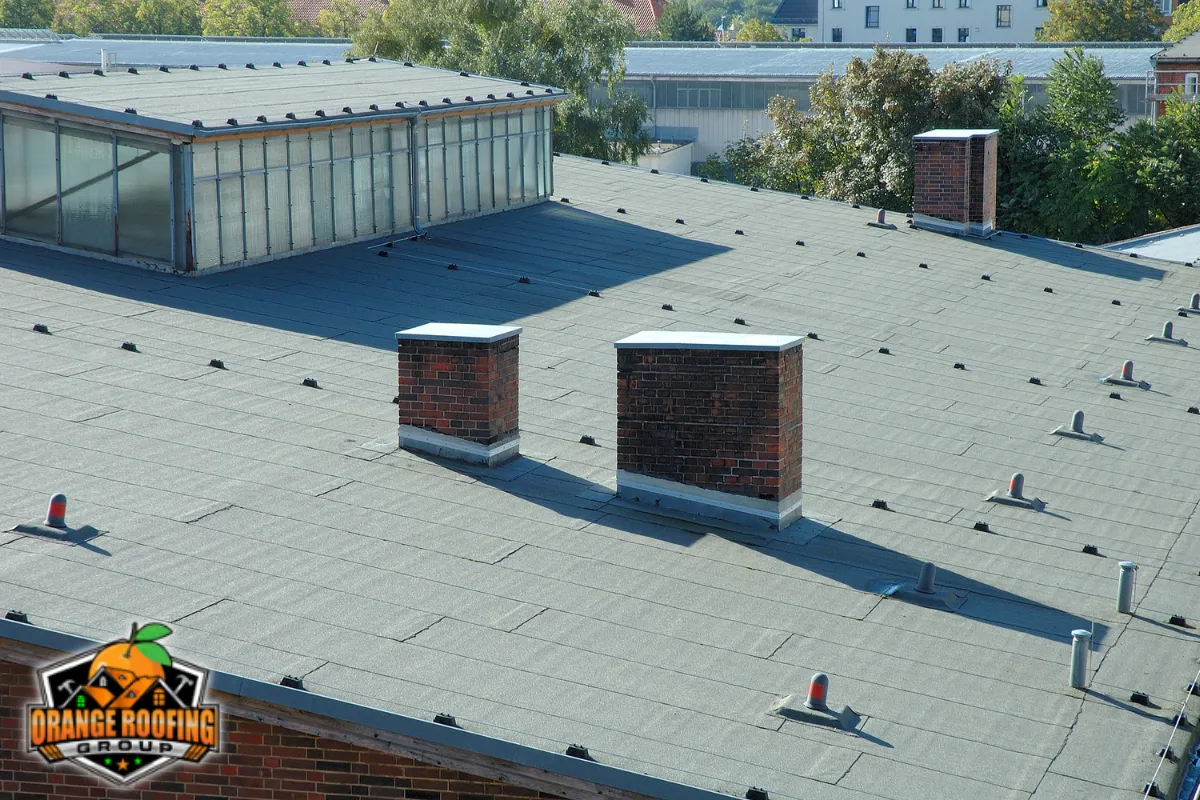
Flat roofs and low slope roofs are common on row houses, mixed-use structures, and commercial properties along New Dorp Lane and Richmond Avenue. TPO roofing is commonly used for flat or low-slope roofs, alongside modified bitumen, EPDM rubber, and built-up systems. These roof types serve residential and commercial properties across the south shore, but they come with distinct challenges.
- Ponding water is the top concern. Proper roof drainage is vital to prevent leaks in flat roofs, and standing water on flat roofs can lead to membrane degradation. Industry standards define ponding as water remaining more than 48 hours after rainfall, and ponding water can weaken roofing membranes and lead to leaks that shorten membrane life by half.
- Seam separation in TPO, EPDM, and modified bitumen systems from thermal cycling and UV stress.
- Splits, cracks, and blisters that form during freeze-thaw cycles, particularly on commercial roofing systems installed before 2010.
- Damage from rooftop HVAC units and foot traffic. Without walk pads, membranes get punctured or abraded during routine maintenance visits.
Commercial buildings along Amboy Road and Hylan Boulevard often need scheduled flat roof maintenance every 10 to 20 years. A roofing contractor experienced with commercial roofing can seal seams, correct drainage with tapered insulation, and recommend timely roof repair or roof coatings to extend system life.
Flashing Failures Around Chimneys, Skylights, and Walls
Failed flashing is the leading cause of roof leaks on Staten Island homes. Metal flashings around roof structures can rust and degrade over time, and the combination of salt air and moisture makes this process faster along the south shore.
- Chimneys on older colonials in Great Kills and Eltingville frequently have step flashing that has rusted, lifted, or was never properly counter-flashed. Mortar joints settle over the years, pulling metal away from brick surfaces.
- Skylight installation and skylight leaks are common in New Dorp ranches and split-level homes. Thermal cycling and roof deck movement break the seal between skylight frames and surrounding shingles or membrane. While skylights bring in natural light, they create vulnerable penetration points that need regular attention.
- Wall-to-roof intersections where additions were built in the 1990s and 2000s often have poorly integrated flashing. Missing kick-out flashing allows water behind siding, causing hidden rot.
When you notice staining on interior walls near a chimney or skylight, or water marks in upper room corners, the issue is usually a flashing problem rather than a full roof failure. A roofing company should inspect all flashing points and replace with properly integrated metal rather than simply applying caulk over old materials.
Gutter Problems, Ice Dams, and Water Backup on the South Shore
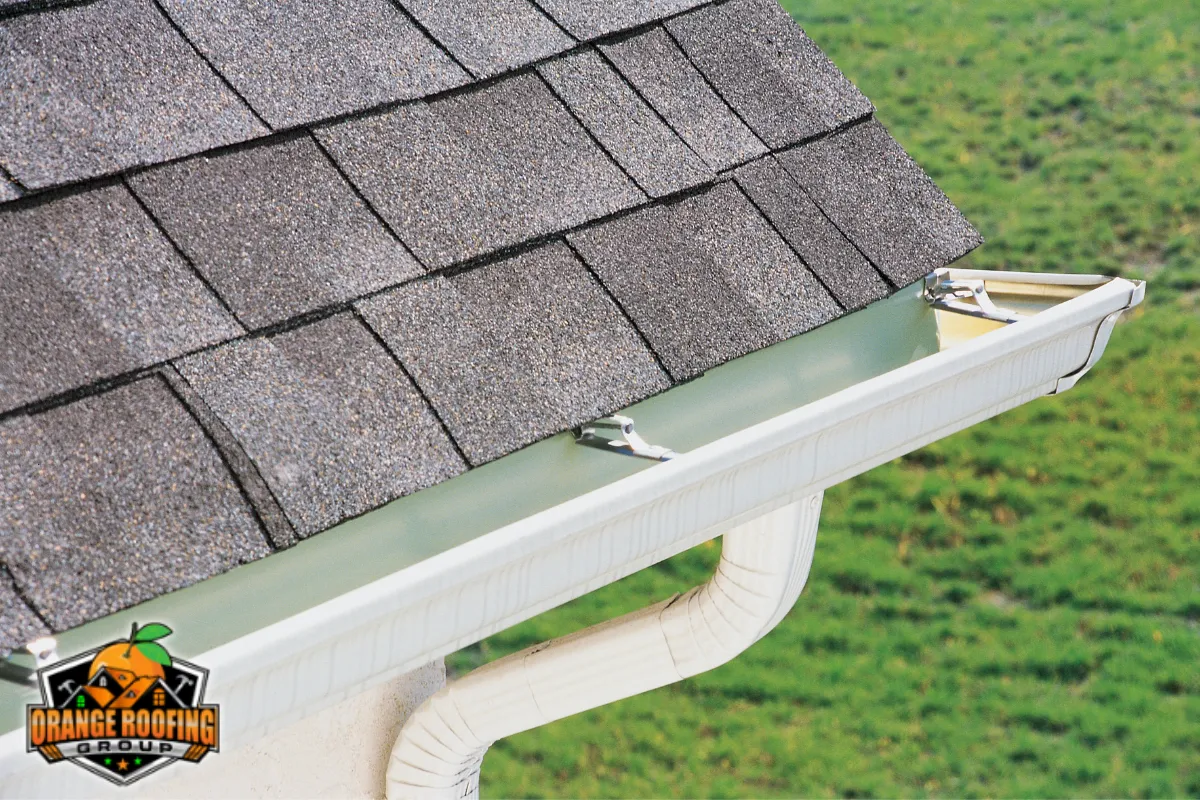
Gutters connect directly to roof performance. When they fail, the roof pays the price.
- Clogged gutters can cause water overflow and fascia rot. Tree cover is dense across Great Kills Park, New Dorp Beach, and the residential side streets throughout Eltingville. Leaf litter in fall blocks gutters and downspouts fast.
- Backed-up water flows under shingle edges and behind fascia boards, causing hidden wood rot and mold growth that spreads before homeowners notice.
- Poor attic insulation can contribute to ice dam formation. Ice dams form during freeze-thaw cycles, causing leaks when snow melts on warmer upper roof sections, flows down, and refreezes at colder eaves. Water backs up under shingles and enters the home.
- Visible warning signs include gutters overflowing during rain, icicles along roof edges, peeling paint on soffits, and interior ceiling stains near exterior walls.
Twice-yearly gutter cleaning is essential. Gutter installation with larger downspouts or leaf guards reduces clogging. Improving attic insulation to at least R-30 and ensuring continuous soffit-to-ridge ventilation are the most effective ways to prevent ice dams and reduce energy loss through the roof.
Read Why Coastal Staten Island Homes Need Regular Roof Inspections
Storm, Wind, and Tree Damage in Great Kills, New Dorp, and Eltingville
Staten Island homeowners on the south shore deal with summer thunderstorms, nor’easters, and occasional hurricane remnants. These events cause significant storm damage every year across ZIP codes like 10306 and 10308.
- High winds lift shingles, tear off ridge caps, and displace roof vents. Wind lifted shingles leave the roof deck exposed to rain that follows.
- Tree branches gouge shingles, whole limbs crash onto roofs, and debris punctures flat roofs on garages and small commercial properties.
- Emergency storm damage repairs prevent further structural issues. When a tree limb breaks through your roof during a storm, protective tarping is used during emergency roof repairs to keep water out until permanent work can begin.
- Emergency roof repair is available 24/7 on Staten Island, and same-day emergency response is offered for active leaks. Emergency roof repairs can include fixing leaks and fallen debris, and most can be initiated within hours of contact.
Document roof damage promptly with photos for any insurance claim. Contact roofing services that provide emergency repair along with detailed written estimates. Licensed roofing contractors on Staten Island must follow NYC Department of Buildings rules when structural repairs or major replacement is needed, so verify your roofer pulls proper permits.
Hidden Structural and Ventilation Issues Beneath the Roof Surface
Not every roof problem shows up from the outside. Some of the most expensive failures hide in the attic.
- Sagging roof sections indicate structural damage. Long-term leaks around valleys, chimneys, or skylights delaminate plywood sheathing and warp framing members. Visible dips or waves in the roofline from outside are a serious warning.
- Mold growth thrives in attics with inadequate ventilation, blocked soffit vents, or bathroom exhaust fans that vent into the attic instead of outdoors. Trapped moisture ruins insulation and compromises structural integrity.
- Moisture rusts nails from the inside, delaminates plywood decking, and shortens shingle lifespan even when the exterior looks fine. High energy bills may result from roof leaks that have degraded insulation without any visible surface damage.
A thorough inspection by a roofing contractor should include attic access to check insulation levels, venting paths, and signs of condensation or rot. Roofers who document both interior and exterior findings give homeowners a complete picture of surface and structural conditions, which matters when deciding between roof repair and full roof replacement.
Roof Repair vs. Full Roof Installation: Making the Right Call
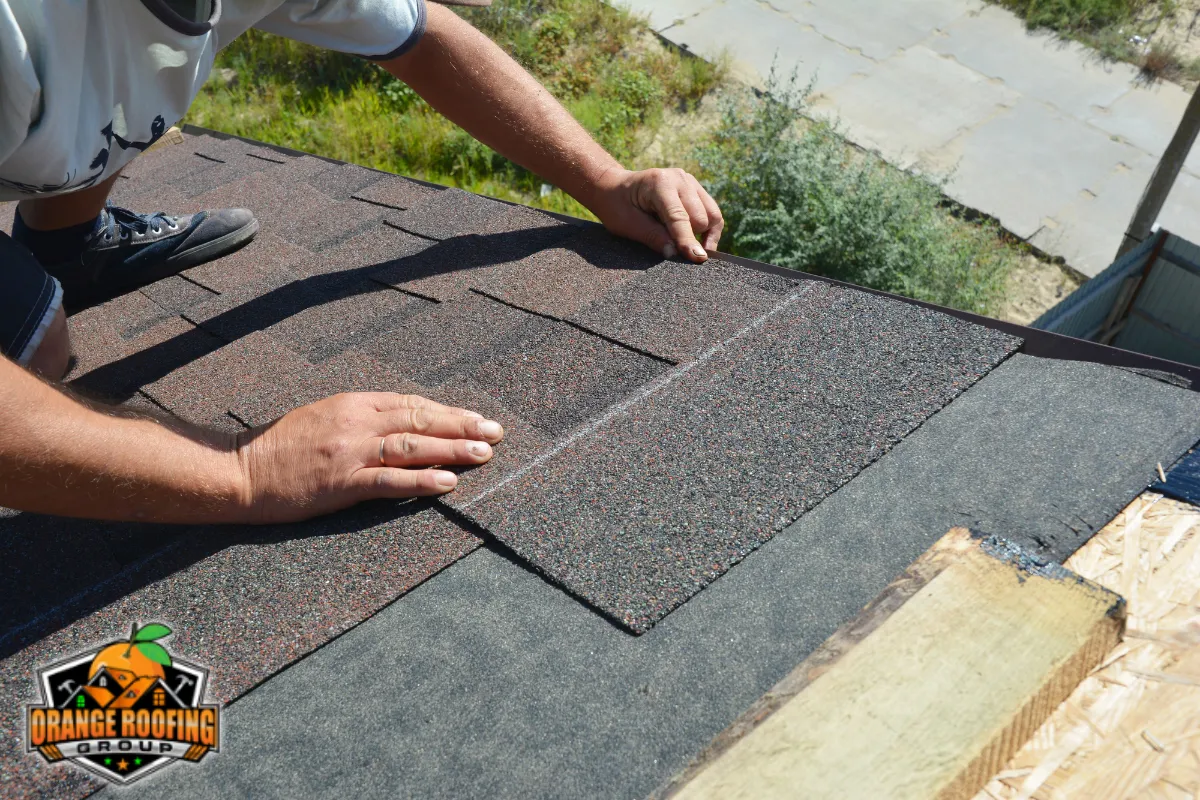
Deciding between a patch job and a new roof is one of the biggest decisions Staten Island homeowners face. Here is how to think through it.
Factors that favor roof repair:
- Damage is localized – a small roof leak, a section of missing shingles, or one failed flashing point
- Repairs are recommended if the roof is under 15 years old and underlayment is mostly intact
- No widespread granule loss, no sagging deck, and flashing is largely serviceable
- Roof repair costs on Staten Island range from $150 to $3,500 depending on scope
Factors that favor full roof replacement:
- A roof age of 15 to 20 years suggests inspection is needed, and roofs over 20 to 25 years old with multiple failure points typically need replacement
- Repeated leaks, extensive damage across the entire roof, or many prior patch jobs
- Flat roofs with chronic ponding and degraded substrate beneath the membrane
When comparing roof types and lifespan, material choice matters. Metal roofs can last 50 years or more with proper maintenance. Slate roofing can last up to 100 years. Cedar shake roofing can last for half a century. A full roof replacement with a modern roofing system that includes synthetic underlayments, ice and water shield at eaves, and improved ventilation can cut future repair services and energy costs significantly while boosting curb appeal and aesthetic appeal.
Any roofing project involving major work must follow NYC building codes, manufacturer specifications, and typically requires permits. Get at least one detailed, itemized written estimate from a reputable roofing contractor outlining scope, quality materials, warranty, and timeline.
What Staten Island Homeowners Should Look for in a Roofing Contractor
Choosing the right roofer matters as much as the materials on your roof. Here is what to look for in Great Kills, New Dorp, and Eltingville.
- Verify the contractor is fully licensed to work in New York City and is an insured company with liability and workers’ compensation coverage. Unpermitted work can result in fines, stop-work orders, and voided warranties.
- Ask about experience with both pitched and flat roofs, as well as commercial roofing if you own a shop or office.
- Review recent projects on Staten Island NY neighborhoods, check references, and confirm manufacturer certifications for shingle or membrane systems.
- Demand written contracts covering roofing materials, clean-up, start and finish dates, and warranties on labor and products. Watch for hidden fees that appear after work begins.
- Choose a local team and a roofing company that understands Staten Island roof problems and surrounding communities rather than distant roofers unfamiliar with city rules, weather patterns, and the north shore to south shore differences in exposure.
A roofing contractor committed to customer satisfaction will walk you through the repair process, explain your options, and provide a free estimate before any work starts.
Preventive Maintenance Tips for Long-Lasting Roofs in Great Kills, New Dorp, and Eltingville
Regular roof maintenance is the most cost-effective way to extend roof life and avoid extreme weather surprises.
- Schedule professional roof inspections at least once a year and after major storms. A free roof inspection identifies potential problems early, long before they require emergency repair.
- Clean gutters in spring and fall, trim back overhanging branches, and clear debris from valleys and flat roof surfaces.
- Monitor your attic for signs of moisture, verify proper ventilation paths, and confirm adequate insulation levels to prevent ice dams and condensation.
- Keep simple records of past roof repairs, the age of your current roofing system, and any warranty documents. This helps any roofer assess your roof accurately during future visits.
- Have your roof inspected promptly when you notice any change. Most standard roof repairs are completed in a single day, so addressing minor repairs quickly prevents further damage and avoids the need for siding services or interior restoration down the line.
Consistent regular inspections and regular roof maintenance, combined with timely roof repair services from qualified roofing contractors, can significantly extend the life of both residential and commercial roofs across Staten Island. Your roofing needs will change over time, but a proactive approach keeps you ahead of expensive surprises and protects energy efficiency throughout your Staten Island home.
Staten Island Roofing Contractor – Orange Roofing Group
At Orange Roofing Group, we specialize in diagnosing and solving roof problems across Great Kills, New Dorp, Eltingville, and every corner of Staten Island, New York. Our roofing services include thorough inspections, honest recommendations, and expert roof repair or full roof installation when the situation calls for it. We handle shingle roofs, flat roofs, and commercial roofing projects with fully licensed and insured crews backed by strong warranties. Whether you are dealing with storm damage, a persistent roof leak, or a new roof for your property, we are ready to help. Call us at (347) 875-2361, fill out our contact form, or visit our studio to get started. Do not wait for minor issues to become major roof damage – schedule your free roof inspection with Orange Roofing Group today and see why Staten Island homeowners trust our local team with their roofing needs.
Frequently Asked Questions
How often should I have my roof inspected in Great Kills, New Dorp, or Eltingville?
At minimum, schedule a professional inspection once a year plus after any significant storm event. Older roofs over 15 years and flat roofs near the coast benefit from checks every six to twelve months because coastal exposure accelerates wear that is not always visible from the ground. A thorough inspection by a roofing contractor typically includes an exterior review of shingles, flashings, and drainage, an attic check for moisture and ventilation, detailed photos, and a written summary of findings. Proactive inspections cost far less than emergency repairs and help you plan for eventual replacement before leaks get severe. Spring and fall are ideal seasons when weather is stable and roof access is safer for roofers.
When is the best season to schedule a roof replacement on Staten Island?
Late spring through early fall generally provides the best conditions for a roofing project on Staten Island New York. Warmer temperatures allow shingle adhesive strips to seal properly, and flat roof membranes bond more reliably without freeze-thaw interference. Peak storm periods and summer heat waves can cause scheduling delays, so planning four to eight weeks ahead is wise. Winter work is possible for certain emergency situations if conditions are safe, but a full roof replacement is more weather-dependent. A local roofing company can help you choose the right timing based on your building type, project scope, and material selection to get the best results.
What should I do if I see a small water stain on my ceiling?
Even a small water stain in a Great Kills, New Dorp, or Eltingville home may indicate an active or past roof leak. Water stains on ceilings indicate a roof leak that should never be ignored. Photograph the stain, note whether it appears after rain or snowmelt, and check your attic if you can do so safely. Do not simply paint over the stain without tracing the source, because hidden moisture causes mold growth and structural damage over time. Contact a roofer to inspect shingles, flashing, and penetrations above the affected area and provide a same day repair estimate when possible. Early intervention is usually quick and affordable compared to waiting until plaster or drywall deteriorates extensively.
How long does a typical roof repair or replacement take in these neighborhoods?
Minor roof repairs such as shingle replacement or a small flashing fix often take a few hours to one day, weather permitting. Most standard roof repairs are completed in a single day for residential properties. A full asphalt shingle roof replacement on an average single-family home in Great Kills, New Dorp, or Eltingville typically takes one to three days depending on roof size and complexity. Flat roofs, multi-layer tear-offs, or projects requiring structural deck repairs can extend timelines, especially when permits and DOB inspections are required. Discuss scheduling, noise expectations, and debris management with your roofing contractor before work begins so there are no surprises.
Can roof work be done safely on occupied multi-family or mixed-use buildings?
Experienced roofing companies regularly perform roof repair and replacement on occupied buildings across Staten Island. Safety measures include proper fall protection, debris netting, and planned access routes that keep entrances clear. Loud or disruptive tasks such as tear-off and nailing are typically scheduled during agreed-upon daytime hours. NYC safety regulations and building management requirements must be followed throughout the project, and your roofing contractor should carry appropriate liability coverage. Property owners should inform tenants and commercial occupants in advance, sharing project timelines and any temporary access limitations so everyone can plan accordingly and daily operations continue with minimal interruption.
Disclaimer: This article provides general educational information about common roof problems and roofing practices in Great Kills, New Dorp, Eltingville, and greater Staten Island. It is not legal, structural engineering, or permitting advice. Readers should consult licensed local professionals and the NYC Department of Buildings for project-specific guidance before beginning any roofing work.