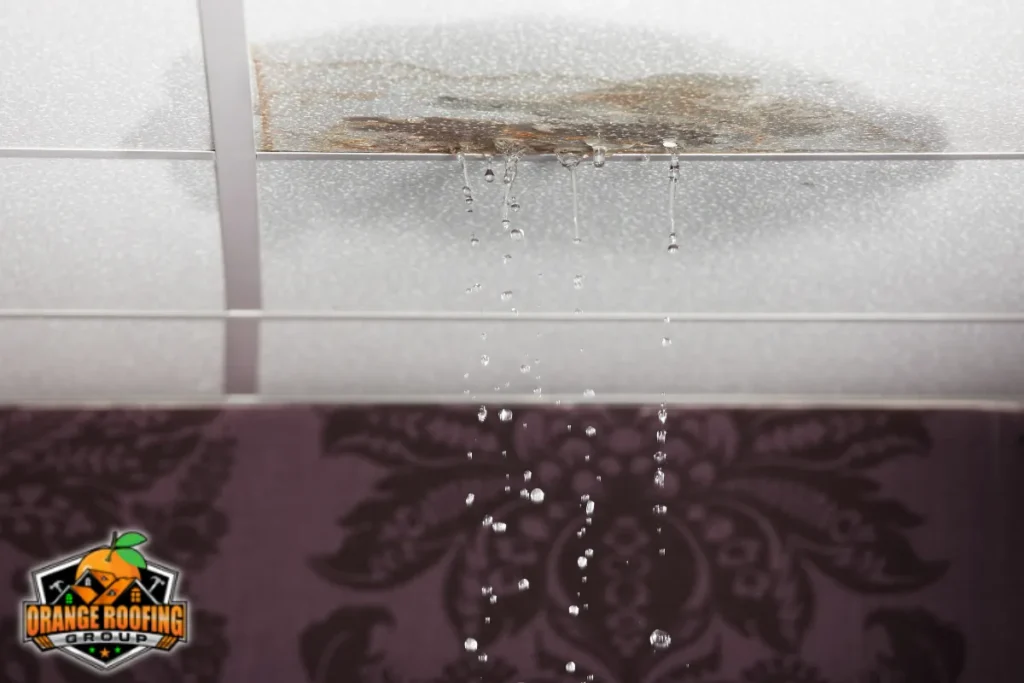
Emergency roof leak problems can turn a quiet Staten Island storm into a fast-moving home emergency. A small ceiling spot may become water pouring through drywall, soaked insulation, mold growth, and structural damage. Older asphalt shingles across 10301–10314, low-slope roofs on attached homes, flat roofs on commercial buildings, and ice dams after coastal winter weather all create risk. The solution is a clear emergency roof leak checklist for Staten Island homeowners: protect your family, slow the water, document everything, and call a licensed roofing contractor. This guide explains what to do before, during, and after emergency roofing service, whether you are dealing with leak roofs, a roof leaking over a bedroom, or comparing roofers, a roofing company, and roofing companies for help.
Key Takeaways
- Turn off electricity in the affected area, protect people and pets, and move furniture, electronics, rugs, and valuables away from active water.
- Place buckets under leaks, cover furniture and valuables with plastic sheets or tarps, and manage ceiling pooling by puncturing bulging areas to drain water only when it is safe.
- Call local emergency roofing professionals quickly; same-day emergency response is crucial for active roof leaks during heavy rain, nor’easters, or winter storms.
- Document damage with photos and videos for insurance claims, record the time and date the leak was first noticed, and keep receipts for emergency supplies and services.
- Asphalt shingles, flat roofs, metal roofing, modified bitumen, slate, and tile all need different leak repair methods, so a professional roof inspection matters.
Immediate Actions: What to Do in the First 60 Minutes of a Roof Leak
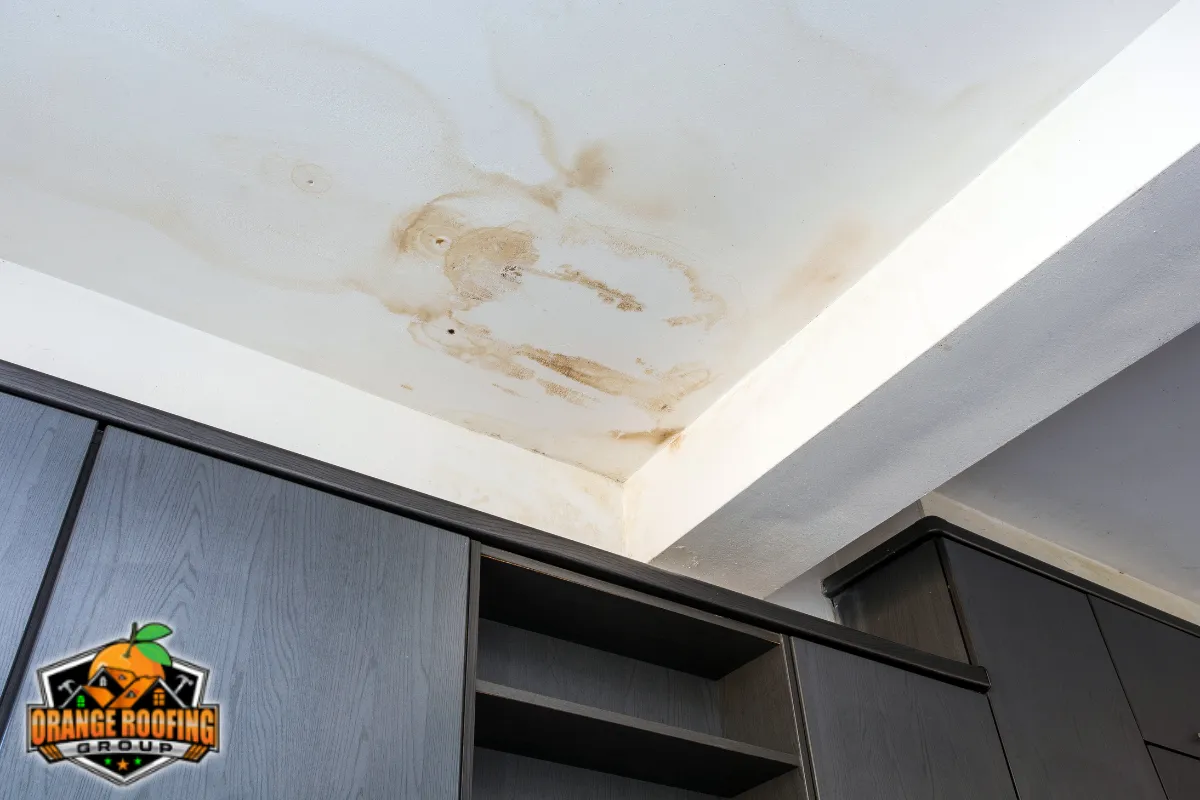
The first hour matters when you see active dripping, bulging ceilings, water stains, or water trails on walls. Your checklist should focus on safety, damage mitigation, and documentation.
- Protect people and pets. Keep everyone away from sagging ceilings, falling debris, wet floors, and electrical fixtures.
- Turn off electricity in the affected area to prevent electrical hazards, especially near light fixtures, ceiling fans, outlets, and junction boxes.
- Move belongings. Cover furniture and valuables with plastic sheets or tarps, and move electronics, rugs, artwork, and upholstered items to dry rooms.
- Contain water. Place buckets under leaks to catch dripping water. Use pans, towels, trays, and plastic sheeting to protect floors.
- Drain ceiling bulges carefully. Manage ceiling pooling by puncturing bulging areas to drain water with a screwdriver or nail only after power is off and the area below is clear. Stand to the side, not directly underneath.
Do not climb the roof during active rain or high winds. Wet asphalt shingles, slippery flat roof surfaces, and icy edges are dangerous. Instead, use binoculars to check roof components for damage from the ground.
Once the area is safe, call a Staten Island roofing contractor for emergency roof repair. Tell the roofer your address, roof type, where the water appears inside, whether you see missing shingles, and whether the leak followed storm damage or severe weather conditions.
Quick Interior Leak Control: Minimizing Damage Room by Room
While waiting for roofers, focus on reducing further damage inside the home. Small actions now can prevent costly repairs later.
- Living rooms: Move electronics first. Cover sofas, tables, and bookshelves. Use towels along baseboards.
- Bedrooms: Pull beds away from active drips. Remove clothing, papers, and mattresses from wet areas.
- Finished basements: Check ceilings below bathrooms, kitchens, and roof lines. Use a wet/dry vacuum if water is spreading.
- Hardwood and laminate floors: Use plastic, trays, and frequent mopping. Standing water can cause warping fast.
- Attics: Inspect the attic for water stains and mold as signs of leakage. Use a flashlight, step only on solid flooring, and never step between joists.
Run fans and dehumidifiers to dry the affected area and prevent mold. Maintain proper ventilation to prevent moisture buildup leading to rot.
Write down the rooms affected, the date, the time, and what you moved. These notes help with insurance claims, repair estimates, and later roof inspection reports.
Temporary Exterior Protection: Tarping and Short-Term Roof Leak Repairs
Temporary exterior work should happen only when the storm has eased and conditions are safe. Staten Island homeowners should usually leave protective tarping to roofing contractors because roof access, anchoring, and local building codes matter.
During emergency repairs, a roofer may install heavy-duty tarps, secure them with boards and fasteners, clear drains, and seal flashing, vent stacks, skylights, or roof edges. Seal minor leaks using roofing cement or specialized roofing tape only as a temporary measure and only if the area is safely reachable.
Different roof types need different handling:
- Shingle roofs may need tarp coverage, temporary shingle replacement, or sealing around exposed nails.
- Flat roofing systems may need drain clearing, seam patches, or temporary membrane repairs.
- Modified bitumen requires compatible patching materials; open flames, heat guns, or unapproved torches can be dangerous and may violate NYC fire safety rules.
- Metal systems need compatible sealants around seams and fasteners, not random caulk.
Do not drive nails or screws blindly into a roof deck because plumbing and wiring can be hidden below. NYC rules also affect roof replacement, recover work, drainage, flashing, and tear off requirements. The NYC Building Code roof assembly provisions require code-compliant materials and drainage for permanent work.
Staten Island Roof Types and Common Emergency Leak Sources
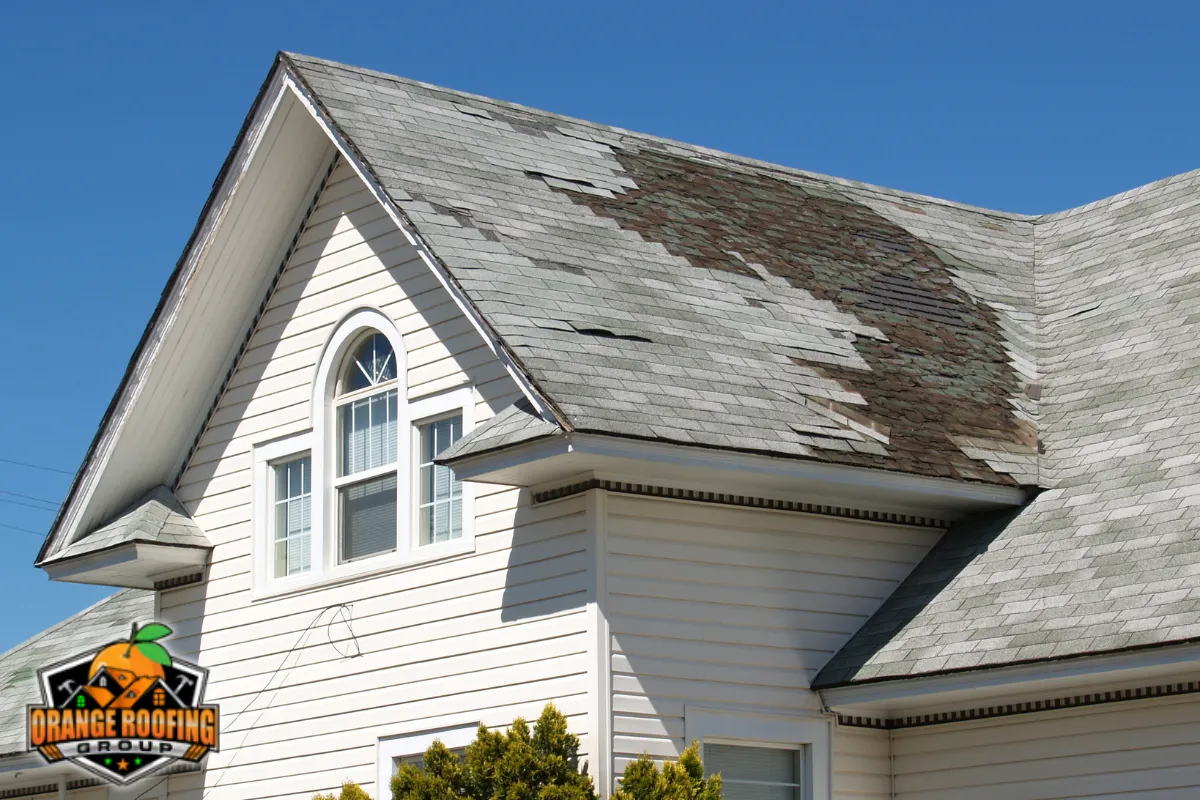
Staten Island homes and small businesses use several roofing systems, each with common leak points. Asphalt shingles are the most common roof type in Staten Island and the most common residential roofing material on detached and semi-detached residential roofs. Typical issues include cracked shingles, damaged shingles, missing shingles, granule loss, shingle damage, and failed flashing.
Failed flashing is the most common cause of roof leaks. Chimneys, skylights, dormers, valleys, parapet walls, roof edges, and vent stacks are frequent trouble spots.
Flat roofs often use EPDM rubber, TPO, or modified bitumen. Low-slope roofs are common on Staten Island attached homes, multi-family buildings, commercial properties, and residential and commercial properties from the north shore to the south shore.
Metal roofing includes standing seam and exposed fastener types. Metal roofing panels can leak at loose fasteners, open seams, and penetrations. Slate and tile roofs require careful individual replacement and repair because walking on them or replacing pieces incorrectly can create more roof damage.
A professional roof inspection after an emergency helps identify hidden leaks, protect structural integrity, and decide whether minor repairs, extensive repairs, or roof replacement is the smarter path.
Flat Roof Emergencies on Staten Island Homes and Businesses
Flat roof repair is critical locally because ponding water, clogged drains, salt air, and aging membranes can turn a small puncture into extensive damage. Common flat roof issues include standing water near drains, split modified bitumen seams, punctures from wind-blown debris, deteriorated coatings, and leaks around scuppers.
Flat roof leaks can appear far from the actual breach because water travels along joists, insulation, and deck slopes. That is why a roofer experienced with commercial roofing systems and flat roof membranes may use moisture scanning, probing, or infrared tools for leak diagnosis.
Emergency tarping and drain clearing are often first steps before permanent flat roof repair, partial replacement, or a new roof plan.
Shingle Roof and Metal Roof Leak Hotspots
Sloped shingle roofs and metal systems across Staten Island homes need close attention after high winds.
Asphalt shingles can fail during heavy rain when cracked shingles, wind-lifted tabs, exposed nail heads, and granule loss allow water underneath. Flashing failures around chimneys, dormers, valleys, skylights, and vent pipes often cause sudden roof leaking.
Metal roofing can leak when fasteners loosen, seam sealant deteriorates, or expansion and contraction create gaps. After emergency roof repair, a professional inspection should check every hotspot, not just the visible drip.
Safety First: What Staten Island Homeowners Should Never Do During an Emergency Roof Leak
No leak repair is worth a fall, fire, or electrical injury. Do not climb on wet, icy, or wind-blown roofs. Staten Island’s coastal winds, winter freeze-thaw cycles, and slick flat roof surfaces make DIY roof access risky.
Avoid makeshift ladders, unstable scaffolding, and leaning out of upper-story windows. Do not use open flames, heat guns, or unapproved torches on modified bitumen or other roofing material. Water near fixtures, ceiling fans, and junction boxes can energize wet surfaces, so shut off circuits and call a licensed electrician when needed.
Documenting the Damage: Photos, Notes, and Early Contact With Your Insurer
Good documentation supports fair estimates from roofing companies and better insurance claims. Take clear, date-stamped photos and short videos of ceiling stains, active drips, damaged roofing, wet insulation, damaged belongings, and temporary fixes.
Record the time and date the leak was first noticed. Note when the storm began, when the roof leaking worsened, and what rooms were affected. Photograph exterior damage from the ground, a window, or the yard. Do not climb.
Notify the insurance provider about the damage as soon as possible, ideally within 24–48 hours. Keep receipts for emergency supplies and services for the insurance claim, including tarps, fans, dehumidifiers, and emergency roofing invoices.
Read Do Gutters Cause Roof Leaks? What Staten Island Homeowners Should Know
Working With Insurance Claims After a Staten Island Roof Leak
Many homeowners can obtain partial or full coverage when storm damage, wind, hail, or fallen branches cause sudden damage. Most policies cover sudden and accidental damage, but not neglect, an aging roof, worn-out roofing, or long-term leaks.
Call your insurance company promptly, write down the claim number, and ask whether they require estimates from specific roofing contractors. Detailed estimates, invoices, before-and-after photos, and materials used-such as asphalt shingles, modified bitumen, metal flashing, or roof coatings-help an adjuster understand the scope.
Roof inspections help substantiate insurance claims for damage, and some roofers will meet adjusters to explain whether localized roof repairs or a new roof is needed.
How to Choose an Emergency Roofing Contractor in Staten Island
Not all roofing contractors offer 24/7 emergency roofing services during severe weather. Look for a licensed NYC Home Improvement Contractor for one- to four-family homes, proper liability insurance, workers’ compensation when applicable, a local presence, and experience with pitched and flat roofs. You can verify licensing through the NYC Department of Consumer and Worker Protection.
Ask about response time, warranties, written estimates, and whether they provide roof repair services for asphalt shingles, flat roofs, metal roofing, slate, and tile. Avoid door-to-door storm chasers and vague promises. A reliable roofing service should explain scope, pricing, materials, cleanup, and permits when required.
Roof repair costs in Staten Island range from $150 to $3,500. Minor repairs cost between $150 and $400. Moderate repairs range from $400 to $1,500. Extensive repairs can cost between $1,500 and $3,500. Per 100 sq ft, repair costs range from $500 to $1,200. NYC labor rates are 18–30% above national averages, so clear pricing helps avoid hidden fees.
Questions to Ask Before You Approve Any Repair Work
Use this checklist before signing:
- Are you only tarping, or are you diagnosing the entire roof system for hidden leaks?
- Will you match existing asphalt shingles, use compatible flat roof membranes, and replace damaged flashing with code-approved metal?
- What is the total price, and are emergency call-out fees included?
- Will the invoice separate emergency repairs from permanent roof leak repair?
- When can the crew return for permanent work?
- Do you offer free inspections, a free estimate, comprehensive roof inspections, or detailed inspections?
- What high quality materials or quality materials will be used?
- Are there any hidden fees?
After the Storm: Scheduling a Professional Roof Inspection and Long-Term Repairs
A professional roof inspection within days or weeks of an emergency protects your home from hidden moisture. Detailed inspections should cover the roof surface, flashing, gutters, attic ventilation, insulation, deck condition, and signs of mold growth.
Regular roof inspections can prevent costly repairs. Annual inspections are recommended for roofs in Staten Island, especially near waterfront exposure. Inspections can identify hidden issues before they escalate, and a roof’s lifespan can be extended with regular inspections.
Ask for a written report with photos and prioritized recommendations for roof repairs, ventilation upgrades, gutter work, leak repair, or roof replacement. Comprehensive roof inspections should also consider energy efficiency, attic airflow, and whether moisture has affected structural integrity.
Deciding Between Targeted Leak Repairs and a New Roof
Emergency work stops the leak, but homeowners still need a long-term roofing decision. Asphalt shingle roofs often last 20–30 years. Flat roofs often last 15–25 years. Metal roofing can last 40+ years with proper maintenance.
Localized leak repairs make sense when the roof is younger, damage is confined, and the deck is solid. A new roof may be wiser when there are multiple leaks, repeated patch jobs, widespread curling, rotted decking, sagging areas, or serious damage. Compare repair and replacement numbers, and request at least one free estimate for each option.
Seasonal Checklist: Preventing Future Emergency Roof Leaks in Staten Island
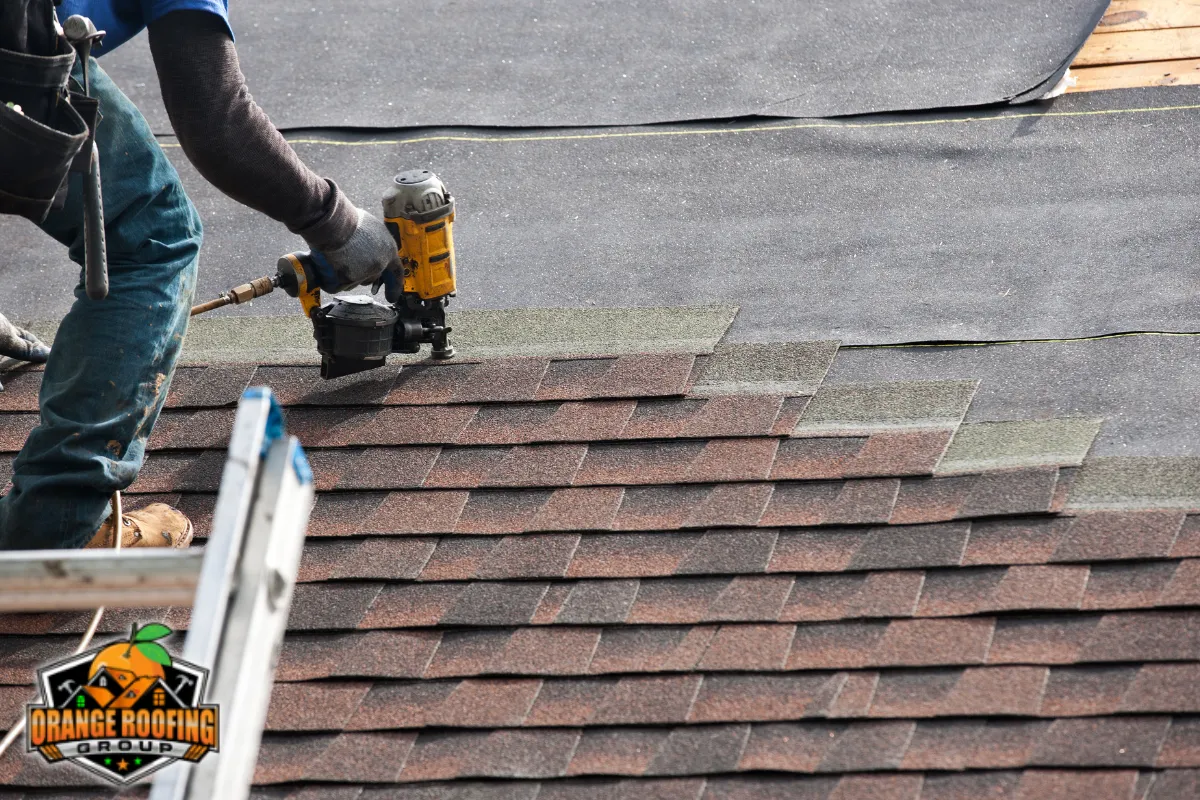
Proactive maintenance can reduce the risk of another emergency roof leak.
- Spring: Clean gutters after winter debris and check for ice dams damage.
- Summer: Look for UV wear, cracked sealant, and loosened flashing.
- Fall: Trim branches to prevent punctures and shingle damage before nor’easters.
- Winter: Watch roof edges, attic condensation, and snowmelt patterns.
- Year-round: Check attics for damp insulation, rusted nails, mold spots, and warning signs of roof issues.
Homeowners should create an emergency roof leak checklist before severe weather. Key steps include identifying the leak source and applying temporary fixes safely. Emergency roof repairs address leaks from storms or debris, and emergency roof repairs can prevent further structural damage.
Special Tips for Staten Island Flat Roofs and Drainage
Drainage is the number-one concern for flat roofs in coastal climates like Staten Island. Clear roof drains, scuppers, and gutters before heavy rain. Even small low spots can hold water that seeps into modified bitumen seams or other membranes.
Use manufacturer-approved sealants for seams, penetrations, and flashings instead of generic patch kits. Catching ponding, blisters, and soft spots early can prevent major leak roofs and extend flat roof service life.
Staten Island Roofing Contractor – Orange Roofing Group
When an emergency roof leak threatens your home or business, Orange Roofing Group is ready to help in Staten Island, New York. We provide fast emergency roofing response, professional roof inspection, short-term leak repairs, and long-term solutions, including new roof installation when repairs are no longer enough. Our experienced team of skilled professionals handles asphalt shingles, flat roof systems, metal roofing, and storm-related roof damage for homes and commercial properties. We can document conditions, provide detailed estimates, and coordinate with insurance claims when appropriate. Call Orange Roofing Group at (347) 875-2361, fill out our contact form, or visit our office to discuss your roof leak repair needs and request a free estimate.
Frequently Asked Questions
This section answers extra questions Staten Island homeowners often ask after an emergency roofing problem.
How long can I leave an emergency tarp on my roof in Staten Island?
An emergency tarp is temporary protection, not a permanent roof repair. Depending on tarp quality, fastening, UV exposure, wind, and winter conditions, it may last a few weeks to a few months. Staten Island’s salt air, coastal gusts, and freeze-thaw cycles can shorten that timeline. Leaving a tarp too long can trap moisture, hide deteriorating shingles, and allow flat roof membrane damage to spread. Schedule permanent leak repairs or a full new roof assessment as soon as the roofer can safely return.
Does a small ceiling stain always mean I need roof leak repairs?
Not always. A stain can come from a roof leak, but plumbing, HVAC condensation, bathroom exhaust issues, or window flashing can create similar marks. Stains below kitchens, bathrooms, or mechanical lines may need a plumber or HVAC technician first. If the stain grows during rain, feels damp after storms, or appears with multiple leaks, call a roofing contractor. A professional roof inspection is especially important for older Staten Island homes where hidden moisture can travel before showing indoors.
Can emergency roof repair be done in winter on Staten Island?
Yes, many roofers perform emergency roofing in winter when conditions are safe. Ice, snow, high winds, and freezing surfaces can limit what is possible, so temporary tarping, snow removal, and sealing may come before full tear off work or a larger installation. Cold-weather manufacturer guidelines matter for shingles, adhesives, and membranes. Do not wait until spring if water is entering the home. Call quickly so the damage does not spread into insulation, framing, ceilings, and walls.
How do I know if my flat roof leak is covered by insurance?
Coverage depends on your policy, roof age, maintenance history, and cause of damage. A sudden puncture from storm debris may be treated differently than long-term ponding, neglected drains, or membrane wear. Read exclusions and call the insurer about wind, hail, and fallen object damage on flat roofs. Photos, videos, roofer reports, maintenance records, and detailed invoices help show whether the damage was sudden. A professional inspection can also support the claim with clear findings.
What should I ask a roofer about warranties after an emergency leak repair?
Ask whether the roofing company provides a workmanship warranty on emergency roof repair and how long it lasts. Materials such as asphalt shingles, metal roofing, EPDM, TPO, or modified bitumen may also have manufacturer warranties with installation requirements. Clarify whether coverage applies only to the patched area or the entire repaired section. Get warranty terms in writing, including exclusions, maintenance duties, inspection requirements, and whether later roof replacement changes the coverage.
Disclaimer: This article provides general guidance for Staten Island, New York homeowners. It is not legal, insurance, engineering, or code advice. Consult licensed professionals, your insurance provider, and the local building department for specific safety, permitting, and code requirements.
Read Common Roof Problems in Great Kills, New Dorp, and Eltingville