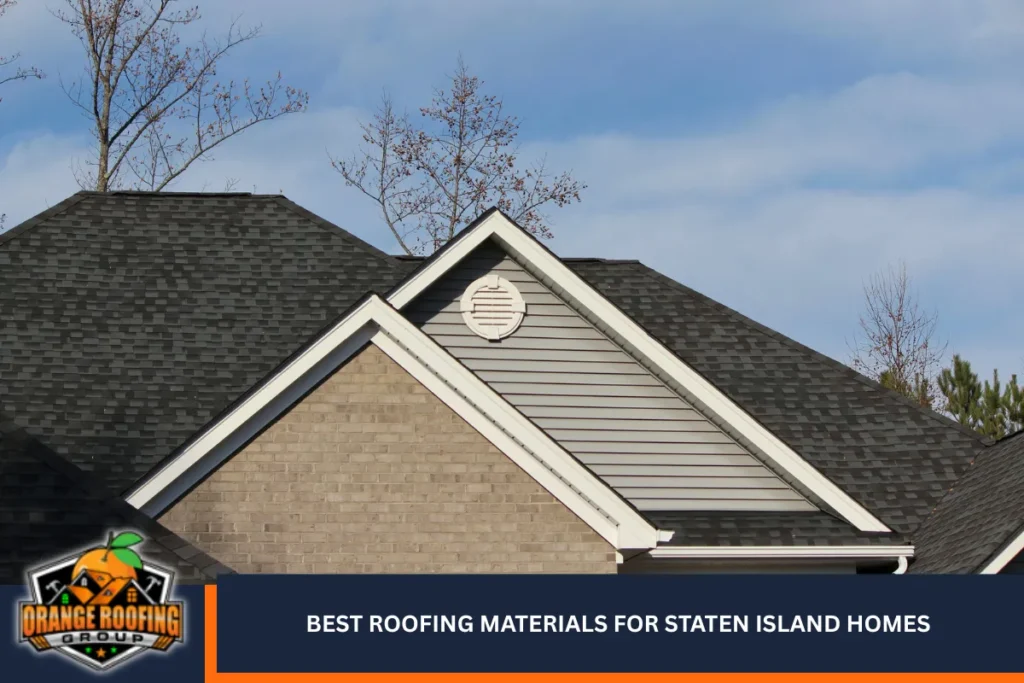
Choosing Roofing Materials That Actually Work on Staten Island
Selecting the right roofing materials for your Staten Island home can feel overwhelming when you’re staring at dozens of options and conflicting advice. Asphalt shingles, metal roof systems, slate, flat roofs, clay tile—each promises something different, yet none of them explain how they’ll hold up against the nor’easters that batter our coastline or the salt spray drifting in from the Kill Van Kull.
Here’s the reality: a roof that performs well in Ohio might fail within a decade on Staten Island. Our borough faces Atlantic storms with wind gusts reaching 70-80 mph, freeze-thaw cycles exceeding 50 per winter, and humidity levels that accelerate wear on lesser materials. The wrong choice means premature replacement, expensive repairs, and water damage that spreads fast.
This guide breaks down the best roofing materials for Staten Island’s specific conditions. We’ll cover lifespan, realistic costs, maintenance demands, and when to call a roofing contractor for a new roof or inspection.
Key Takeaways
- Asphalt shingle roofs remain the most cost-effective choice for Staten Island homes, with architectural varieties offering wind ratings up to 130 mph suitable for coastal exposure.
- Metal roofing delivers exceptional longevity of 50-70 years, making it ideal for waterfront properties facing salt air and high winds from the harbor.
- Slate roofs and clay tile provide century-long durability but require structural assessment due to their significant weight.
- Flat roofing systems dominate row houses and multifamily buildings, demanding proper drainage and regular seam inspections to prevent leaks.
- Working with a licensed roofing contractor familiar with NYC Department of Buildings codes ensures compliant installation and protects your investment.
- Contact a local roofing company for a free estimate to determine which material matches your budget, home style, and maintenance preferences.
How Staten Island’s Climate and Building Codes Shape Roof Choices
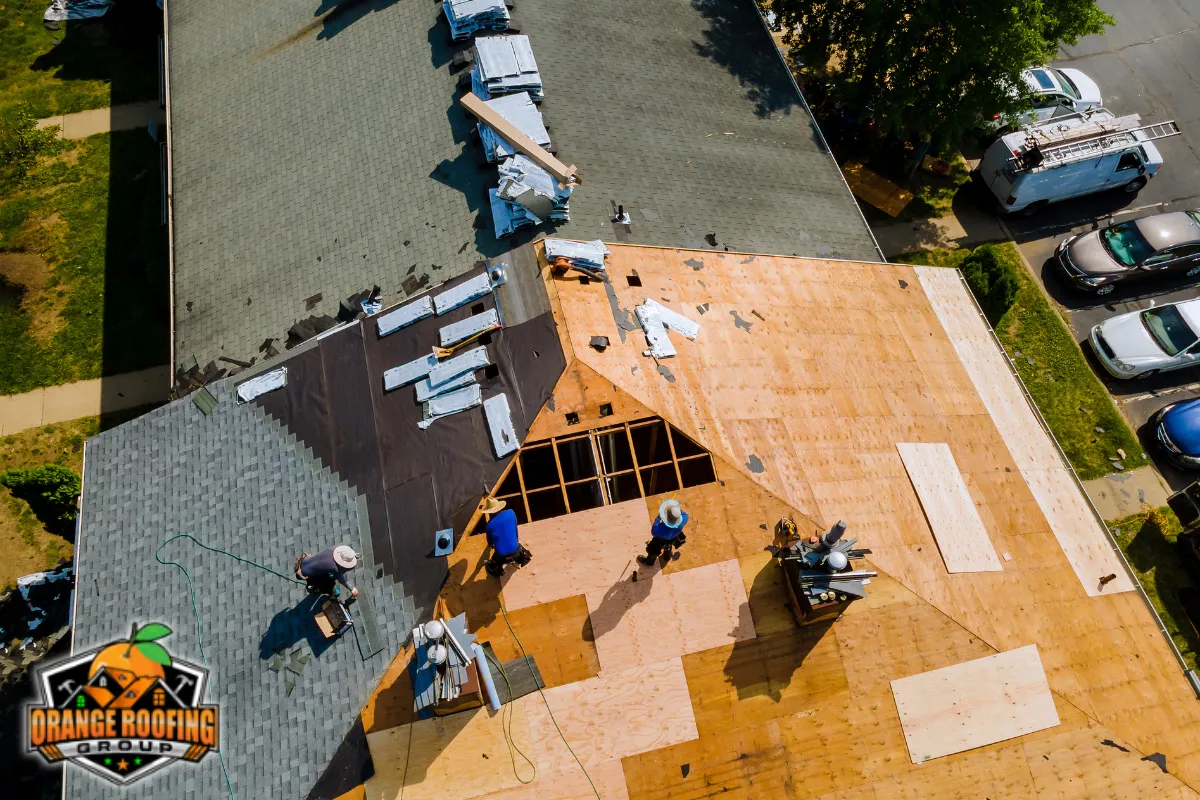
Every roofing decision on Staten Island must account for our coastal weather and New York City’s strict building regulations. Ignoring either factor leads to failed installations, permit denials, and roofs that don’t survive their first major storm.
Key climate challenges affecting your roof include:
- Atlantic storms and nor’easters with sustained winds reaching 74 mph (as seen during Superstorm Sandy)
- High humidity averaging 70-80% year-round, promoting mold and material degradation
- Snow loads of 28-30 inches annually, requiring structural capacity
- Summer heat indexes exceeding 95°F with roof temperatures climbing past 150°F
- Salt spray from surrounding waterways accelerating corrosion 2-3 times faster than inland areas
Construction projects in Staten Island typically require permits from the NYC Department of Buildings to ensure compliance with safety and structural codes. Wind-resistance ratings for roofing materials in Staten Island should be Class F or higher, ideally rated for 130 mph winds or above to withstand coastal gusts. Coastal neighborhoods like Midland Beach and Tottenville may require enhanced corrosion-resistant fasteners per local regulations.
Always verify that any roofing company you hire is fully licensed, insured, and familiar with codes governing residential and commercial properties.
Key Performance Factors to Compare Before You Pick a Roof
Before selecting materials, understand the factors that determine total cost of ownership over 20-30 years:
| Factor | Why It Matters on Staten Island |
| Lifespan | Shorter-lived materials mean more replacements over homeownership |
| Upfront Cost | Budget constraints influence immediate options |
| Maintenance | Salt air and storms demand regular inspection and repairs |
| Energy Efficiency | Reflective materials reduce cooling costs during hot summers |
| Structural Load | Heavy materials like slate require engineering assessment |
| Fire Rating | Class A ratings recommended for most residential applications |
| Wind Resistance | High-quality roofing materials should have excellent impact resistance, suitable for heavy snow and high winds |
Flat roof systems for row houses and multifamily buildings must be evaluated differently than pitched roofs on single-family homes, particularly regarding drainage and waterproofing requirements.
Asphalt Shingle Roofs: The Workhorse Option for Staten Island Homes
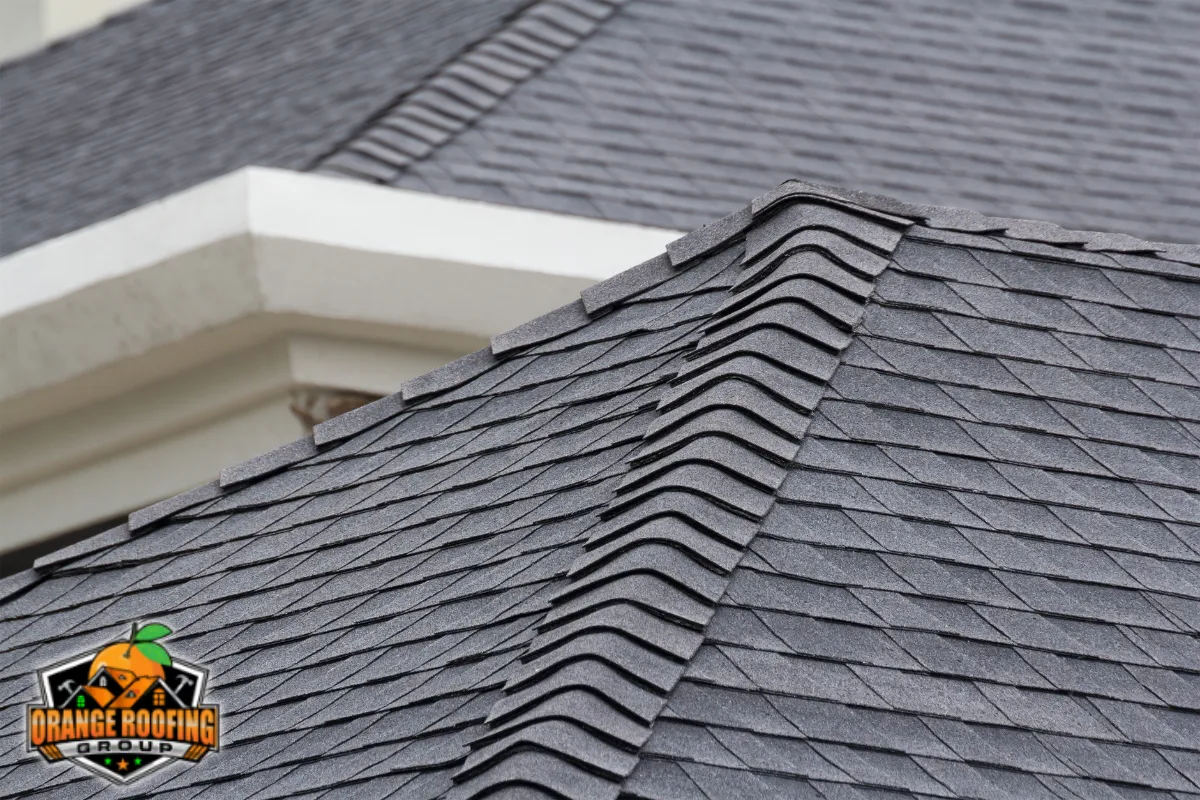
Asphalt shingles are the most common roofing material in North America, known for their effectiveness in various environmental conditions and their relatively low cost. They dominate roughly 70% of Staten Island installations for good reason.
Two main types serve different needs:
- Three-tab shingles: Thinner, single-layer design vulnerable to wind uplift at 60 mph
- Architectural (laminate) shingles: Multi-layer construction with wind ratings up to 130 mph
Architectural asphalt shingles are highly recommended for Staten Island homes due to their cost-effectiveness and high wind ratings up to 130 mph. Standard asphalt shingles are popular for their ease of installation, cost-effectiveness, and general suitability against the coastal climate conditions.
Lifespan and Costs: Expect 18-20 years from three-tab varieties and 25-35 years from architectural shingles with proper maintenance. Salt air can shorten lifespan by 20% without algae-resistant variants. Asphalt shingles, the most common roofing material, typically cost between $1.50 and $4.50 per square foot, with an average replacement cost ranging from $4,286 to $6,429.
Pros:
- Affordable prices compared to premium materials
- 60+ color options matching any home style
- Easy roof repairs by local roofers
- Recyclable with up to 40% post-consumer content
Cons:
- Shorter lifespan than metal roofing or slate roofs
- Granule loss signals end-of-life (1-2 lbs annually per roof)
- Ice dam vulnerability without proper underlayment
When Asphalt Shingles Are the Smart Choice
Consider asphalt shingle roofs when:
- Budget constraints require keeping roof replacement under $15,000
- You’re preparing a house for sale and need quick, attractive results
- Your home has moderate wind exposure (not directly waterfront)
- You own a traditional colonial or Cape Cod style common in Westerleigh or Great Kills
- You need fast installation due to active leaks
Many warranty options are available when installation is done by a certified roofing contractor. Proper ventilation and synthetic underlayment dramatically improve performance and prevent missing shingles after storms.
Metal Roofing: Long-Lasting Protection for Coastal Staten Island
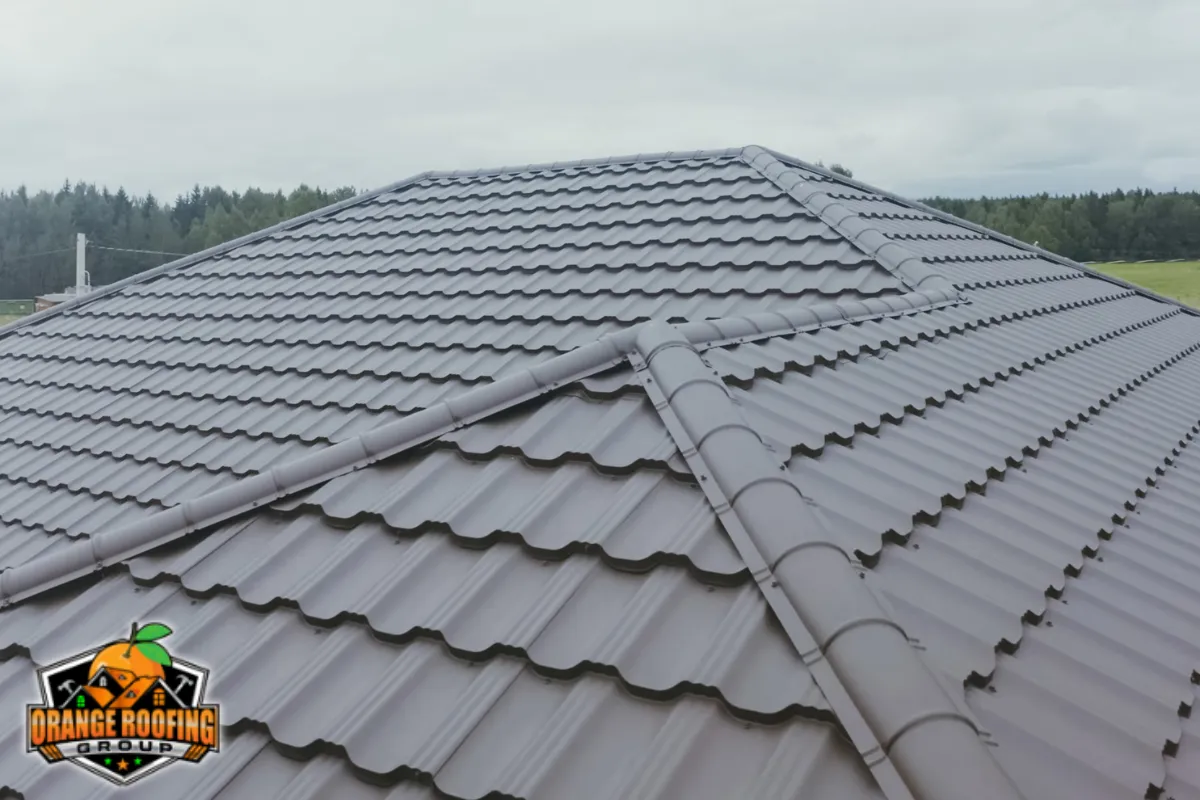
Metal roofing is popular for its durability and longevity, typically lasting 50 to 70 years, and is resistant to harsh weather conditions, including high winds and fire. Popularity has surged 35% in the NYC metro area since 2020.
Types available:
- Standing seam panels: Concealed fasteners, 24-29 gauge steel, premium appearance
- Metal shingles: Mimic slate, wood shingles, or clay tile aesthetics
Standing seam metal roofing is known for its durability and longevity, with a lifespan of 40-70 years, making it ideal for high wind resistance in coastal areas. Metal roofs typically last between 50 to 70 years, providing excellent durability against harsh weather conditions.
Cost Considerations: Metal roofing can cost anywhere from $9,750 to $42,750, depending on the quality of the material and installation. While 2-3 times higher than asphalt upfront, the 30-year total ownership cost often proves comparable when you factor in zero replacements.
Staten Island Advantages:
- Wind ratings of 140-160 mph (Florida-approved standards)
- Snow sheds efficiently, reducing ice dam formation
- Salt-resistant coatings with 30-year fade warranties
- Fire resistant with Class A ratings
- Excellent thermal insulation properties
Potential Drawbacks:
- Higher initial investment
- Rain noise without proper foam underlayment
- Oil-canning (waviness) possible with thinner gauges
Is a Metal Roof Right for Your Staten Island Home?
A metal roof makes sense when you:
- Plan to stay in your home 15+ years
- Live near the shoreline (Midland Beach, South Beach, or along the Arthur Kill)
- Want minimal maintenance requirements
- Prefer modern or contemporary architectural styles
- Value energy efficiency and sustainability
Modern metal roofing comes in colors and profiles suitable for colonials, contemporary homes, and historic-style properties. Ask your roofing company about warranties covering paint finishes, corrosion resistance, and fastening systems designed for NY wind zones.
Clay and Concrete Tiles: Classic Looks with Serious Weight
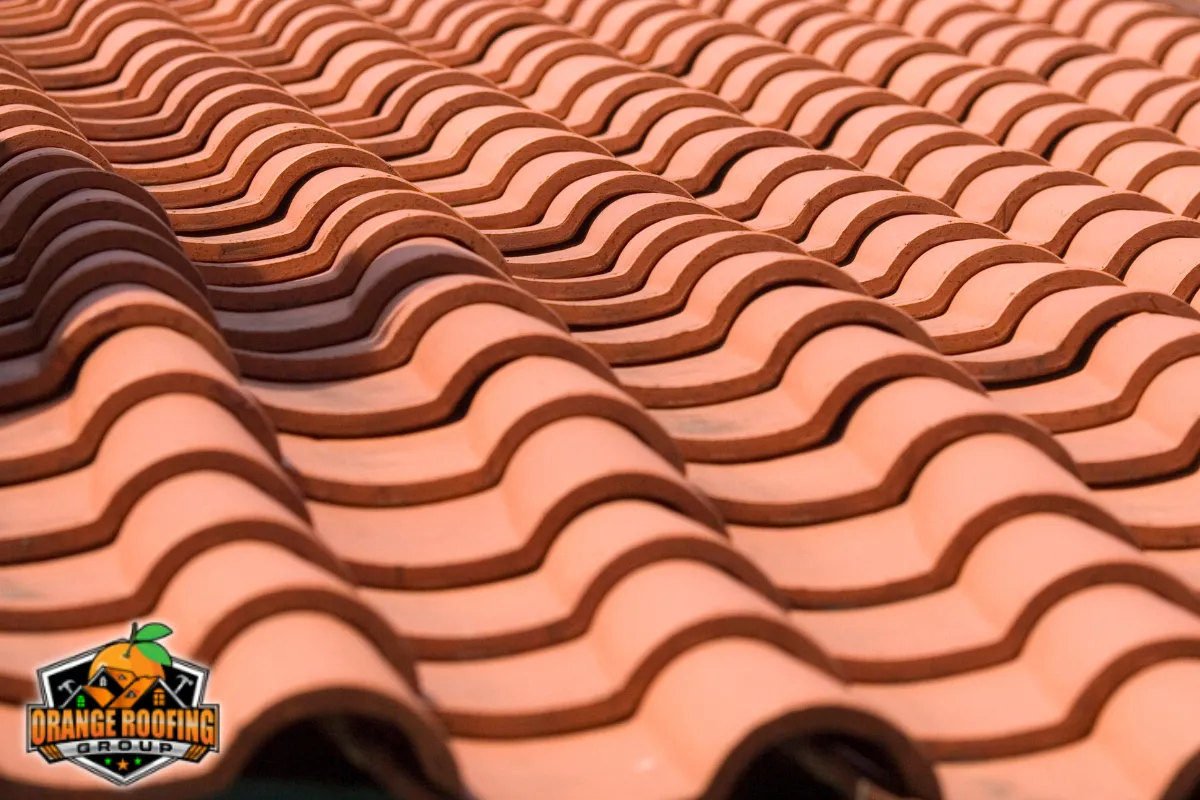
Tile roofing, whether clay or concrete, can last over 100 years and is known for its energy efficiency and durability, but it is heavy and may require additional structural support. You’ll find these premium options on higher-end Staten Island properties, particularly Mediterranean and Spanish-style homes in Todt Hill.
Performance specs:
- Clay tile: 75-100+ year lifespan, lower water absorption
- Concrete tiles: 50+ years, more affordable, heavier
Clay and concrete tile roofs can last over 100 years, known for their durability and ability to withstand extreme weather conditions. Both materials offer excellent fire resistance and UV protection.
Critical weight considerations: Clay tile weighs 2.5-3.5 pounds per square foot while concrete tiles run 8-10 psf. Many 1930s-era Staten Island homes need structural reinforcement before install, requiring an engineer’s assessment and adding $2-5 per square foot to project costs.
Concrete Tiles vs. Clay Tile on Staten Island
| Feature | Concrete Tiles | Clay Tile |
| Cost | $10-16/sq ft | $15-25/sq ft |
| Weight | 8-10 psf | 2.5-3.5 psf |
| Lifespan | 50+ years | 75-100+ years |
| Color Retention | Good with sealants | Excellent, minimal fade |
| Salt Resistance | Moderate | Excellent |
Consult a local roofing contractor and possibly a structural engineer before committing to either option.
Read Signs You Need Roof Repair After a Staten Island Storm
Slate and Synthetic Slate: Timeless Roofing for Historic and High-End Homes
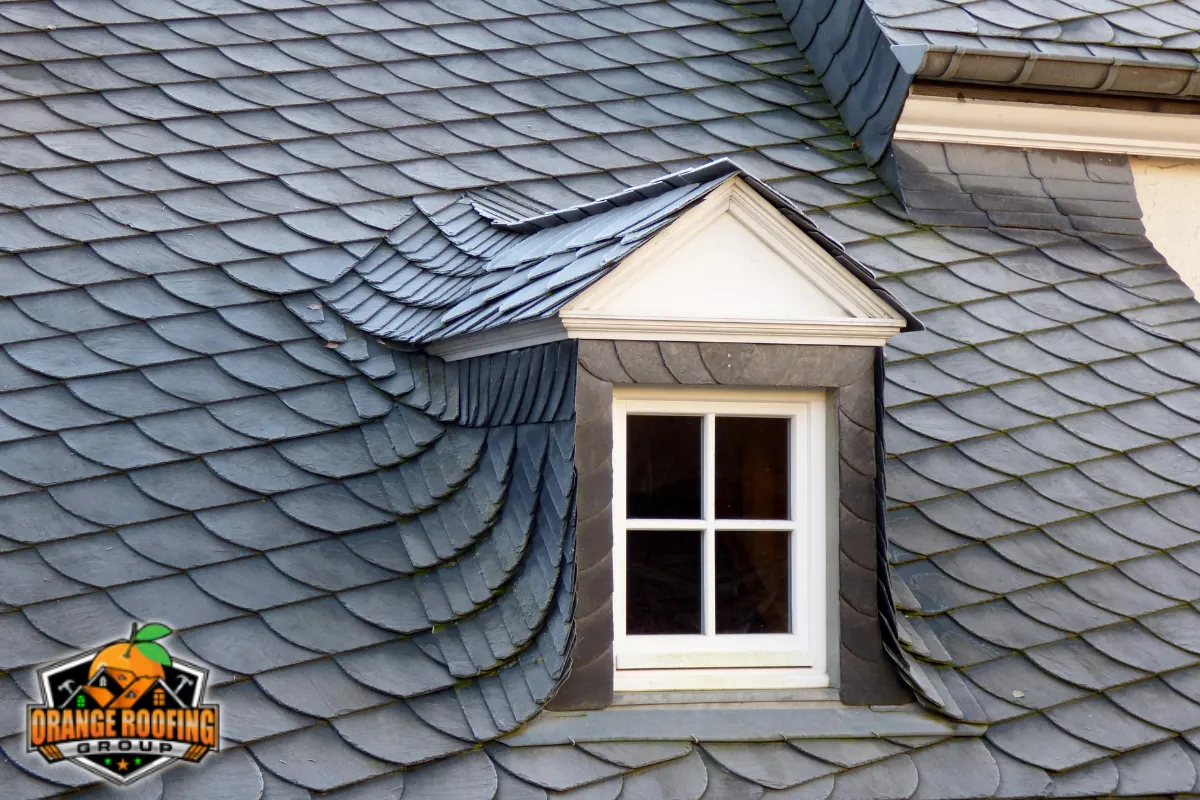
Slate roofing can last more than 100 years and is known for its fire resistance and waterproof properties, but it is heavy and can be expensive to install. Natural slate suits historic districts and classic Staten Island homes like those near Ward’s Point.
Natural slate advantages:
- Lifespan exceeding 100 years when properly installed
- Natural mold and mildew resistance (pH neutral)
- Near-zero water absorption (0.2%)
- Non-combustible, excellent fire rating
Drawbacks:
- Premium cost of $20-35 per square foot
- Significant weight (8-10 psf) requiring robust framing
- Repairs cost $50-100 per piece
- Requires highly skilled roofers for roof installation
Synthetic slate alternative: Rubberized synthetic options weigh only 1.5 psf, carry 50-year warranties, and cost $12-18 per square foot. They mimic natural texture while eliminating structural concerns.
How to Decide Between Natural Slate and Synthetic Slate
Choose natural slate when:
- Your home is a forever property
- Budget allows premium investment
- Existing structure supports the weight
- Authenticity matters for historic preservation
Choose synthetic slate when:
- You want the aesthetic without structural modifications
- Budget falls between metal and natural slate
- Your home has typical Staten Island framing
- Lower maintenance appeals to you
Professional inspection of existing framing is essential before choosing either option in older houses.
Flat Roof Systems for Staten Island Row Houses and Multifamily Buildings
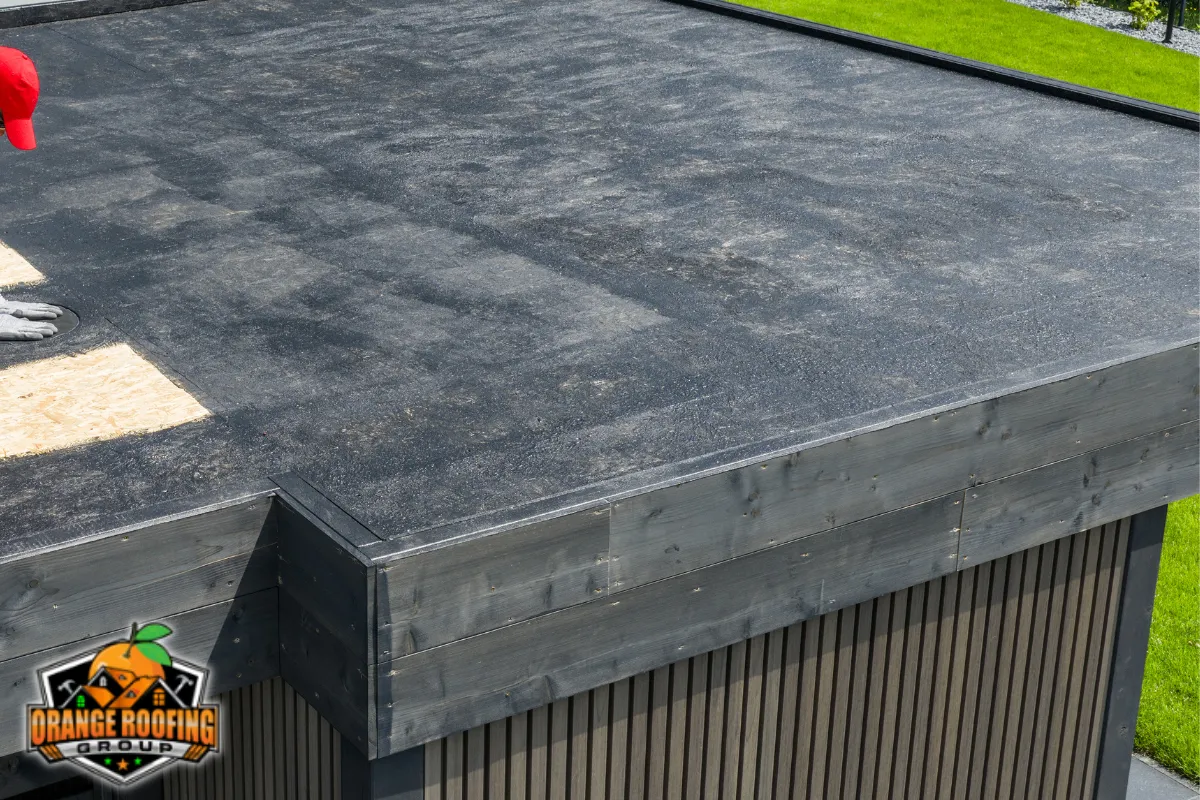
Many Staten Island properties—especially attached homes and small apartment buildings—feature flat roofs or low-slope designs. These dominate commercial roofing applications as well.
Primary options:
- Built up roofing (BUR): 4-5 plies of asphalt/felt topped with gravel, 20-30 year lifespan
- Modified bitumen: Torch-down or cold-applied rolls, flexible from -20°F to 200°F
- Single-ply EPDM: Rubber roofing membrane, 30-50 years, $8-14/sq ft
- TPO: Thermoplastic with welded seams, 80% reflective, excellent for rubber roofing applications
Flat roofs require specific maintenance practices, such as ensuring proper drainage and sealing seams, to prevent water accumulation and leaks, which are common issues for this type of roofing. NYC plumbing code mandates minimum 1/8” per foot slope with scuppers for drainage.
Built Up Roofing and Modified Bitumen on Staten Island
Built up roofing consists of multiple layers creating excellent waterproofing and strong resistance to foot traffic. It’s been protecting Staten Island commercial properties for decades.
Modified bitumen offers more flexibility in our freeze-thaw conditions, making it a viable option for temperature fluctuations. Both systems demand:
- Annual seam inspections
- Prompt repairs of any punctures
- Regular debris clearing
- Proper drainage verification
Regular maintenance of roofs, including inspections and repairs, can significantly extend their lifespan and prevent costly damage from leaks or structural issues.
Energy-Efficient and Eco-Friendly Roofing Options
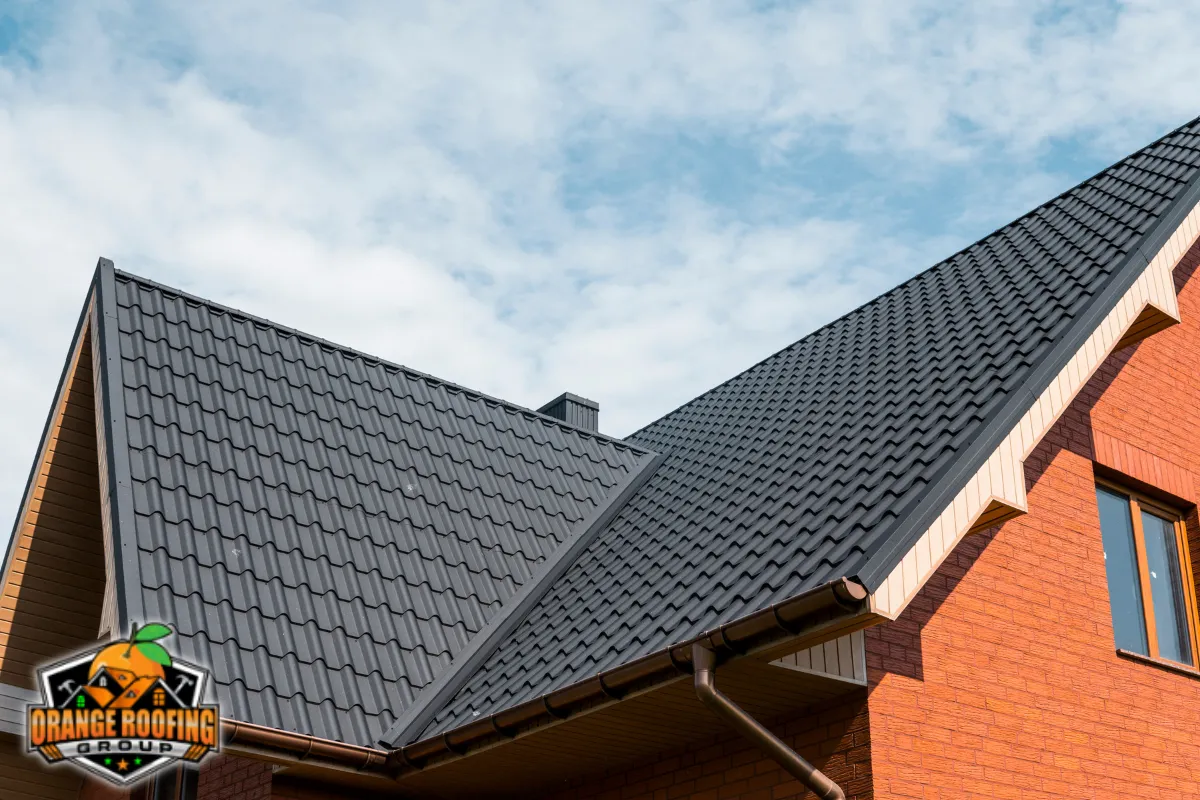
Roofing materials directly influence energy bills in densely built Staten Island neighborhoods where heat islands form between closely spaced homes.
Cool roof technologies: Cool roofing technologies, such as reflective metal roofing or specialized asphalt shingles, can reduce cooling costs during hot summers. White TPO membranes achieve Solar Reflectance Index (SRI) ratings above 100, cutting peak cooling loads by 15% or more.
Options to consider:
- Light-colored architectural shingles
- Reflective metal roof coatings
- White single-ply membranes for flat roofs
- Green roofs (living vegetation, requires structural assessment)
- Solar shingles integrating photovoltaic cells
NYSERDA offers rebates up to $2/watt for qualifying installations, and federal Investment Tax Credits cover 30% of solar roof costs through 2026.
Balancing Eco Benefits with Practical Maintenance
Living roofs and solar installations require robust waterproofing and drainage. For most homeowners, reflective shingles or metal roofing deliver meaningful cooling savings without complexity.
Cedar shake roofing is an environmentally friendly option that can last up to 50 years, providing natural insulation, but it requires high maintenance due to susceptibility to mold and algae—making it less practical for Staten Island’s humid coastal climate.
Cost, Lifespan, and Maintenance: Comparing Your Top Options
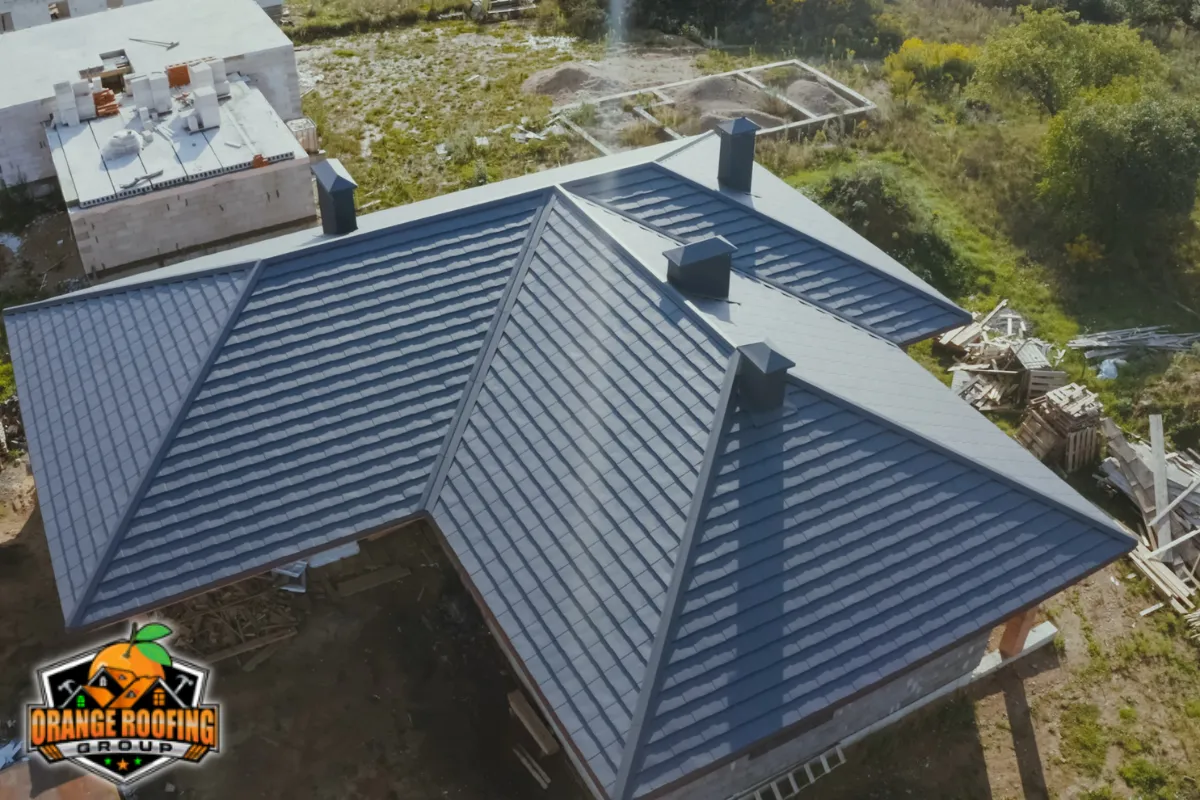
The average cost of a roof replacement nationwide is approximately $9,515, with a typical range between $5,867 and $13,212. Staten Island prices often run higher due to NYC labor costs and permit requirements.
| Material | Cost Range | Lifespan | Annual Maintenance |
| Asphalt Shingles | $4,286-$6,429 | 18-30 years | $300+ cleaning |
| Metal Roofing | $9,750-$42,750 | 50-70 years | $100/year minimal |
| Concrete Tiles | $10-16/sq ft | 50+ years | $500/decade inspections |
| Clay Tile | $15-25/sq ft | 75-100+ years | $500/decade inspections |
| Natural Slate | $20-35/sq ft | 100+ years | Moderate |
| Synthetic Slate | $12-18/sq ft | 50+ years | Low |
Proper installation of roofing materials is crucial for ensuring their longevity and effectiveness, with each type of roofing requiring specific techniques and considerations during installation.
Key considerations for roofing materials in coastal environments include high wind ratings, moisture resistance, and the potential for nor’easters.
When to Repair vs. Replace Your Staten Island Roof
Warning signs indicating need for a new roof:
- Curled, cracked, or missing shingles across multiple areas
- Repeated leaks despite previous repairs
- Sagging roof deck visible from attic
- Widespread granule loss in gutters
- Roof age exceeding 80% of expected lifespan
When damage affects less than 25% of a relatively young roof, spot repairs make sense. Beyond that threshold, full replacement typically proves more cost-effective. Get at least one detailed inspection and written proposal from a local roofing company before deciding.
Roofing Contractor on Staten Island, NY – Orange Roofing Group
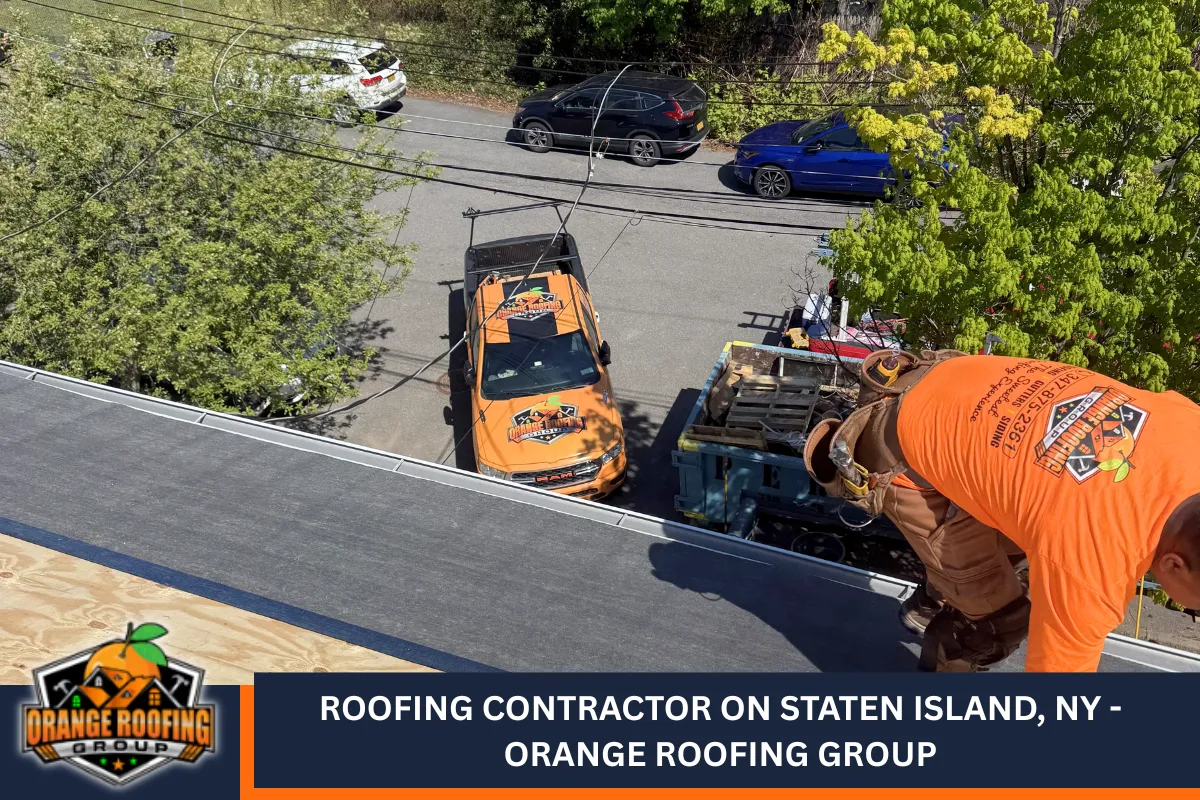
When you need expert guidance on roofing materials for your Staten Island home, Orange Roofing Group delivers the local knowledge and craftsmanship your property deserves. We specialize in a wide range of roofing systems including asphalt shingles, metal roofing, flat roofing systems, slate, and tile—each tailored to withstand our borough’s coastal climate challenges.
Our team handles everything from thorough roof inspections to complete roof installation and replacement. We understand NYC Department of Buildings requirements inside and out, ensuring your project meets all building codes without delays.
Ready to protect your investment? Call us at (347) 875-2361 for a free estimate, fill out our contact form, or visit our office to discuss your roofing service needs with our experienced roofers. Orange Roofing Group serves both residential and light commercial roofing projects throughout Staten Island with the quality workmanship and affordable prices you deserve.
Bringing It All Together: Choosing the Best Roof for Your Staten Island Home
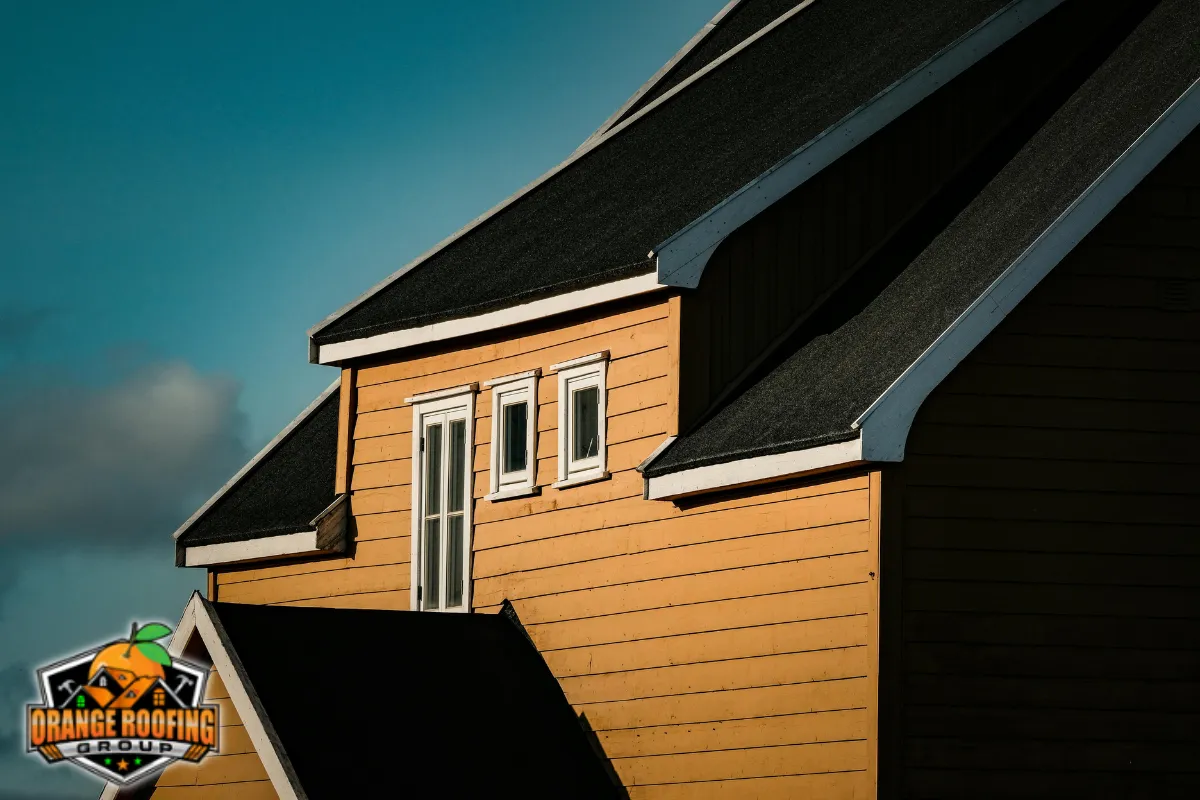
The right roof for your Staten Island home depends on balancing budget, expected lifespan, maintenance tolerance, and aesthetic preferences against our borough’s demanding coastal environment.
Asphalt shingle roofs deliver proven performance at accessible price points. Metal roofing rewards long-term homeowners with decades of durability and minimal upkeep. Tiles and slate roofs serve those seeking century-spanning protection and distinctive curb appeal. Flat roofing systems keep our row houses and commercial properties dry when properly maintained.
Whatever direction you choose, prioritize proper installation by a licensed roofing contractor and commit to regular maintenance. These factors matter as much as the materials themselves.
Before the next nor’easter season arrives, schedule an inspection or request a free quote to understand your roof’s current condition and explore your options.
Frequently Asked Questions
How often should I have my Staten Island roof inspected?
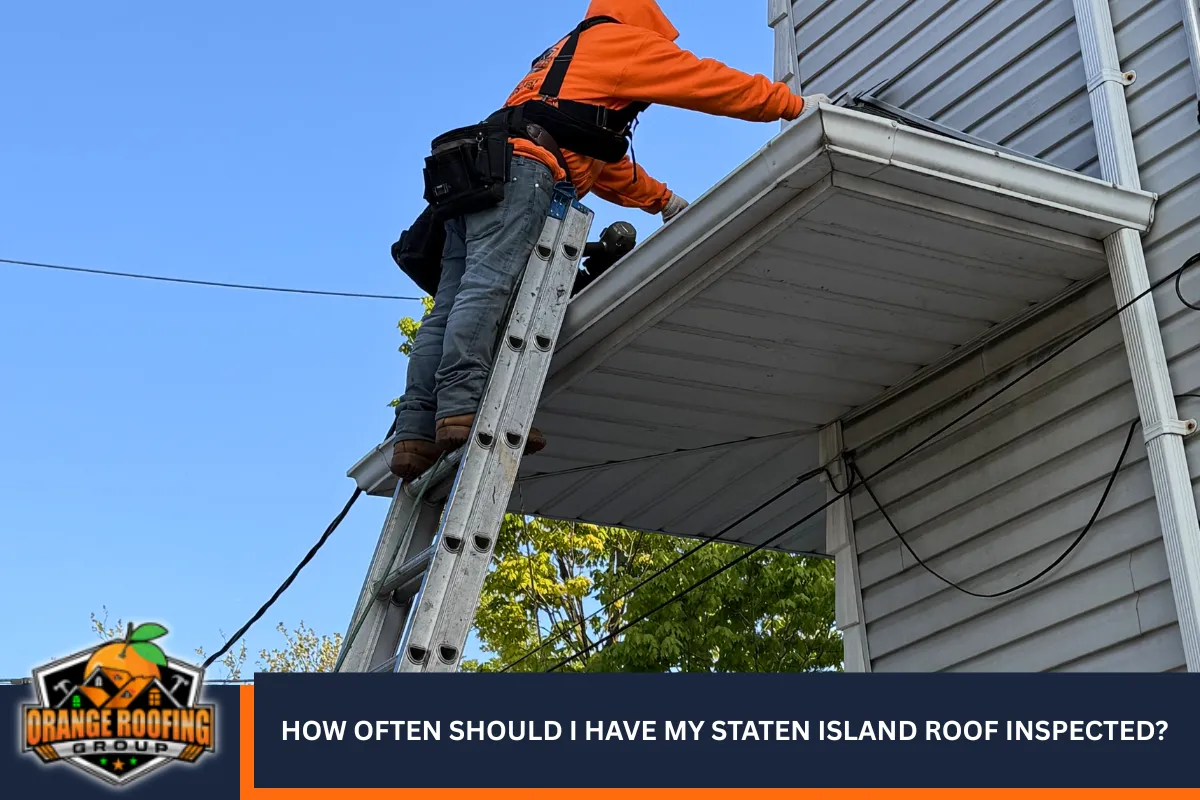
Schedule professional roof inspections at least once annually, ideally in spring after winter damage or fall before harsh weather arrives. Staten Island’s coastal exposure means you should also arrange inspections after any storm producing winds above 60 mph or significant hail.
Homes near trees or in older neighborhoods like Stapleton or Port Richmond may need more frequent checks due to debris accumulation and aging materials. During inspections, york roofers examine shingles for curling or cracks, check flashing around chimneys and vents, look for ponding on flat roofs, and inspect attic spaces for moisture intrusion. Catching small issues early prevents expensive repairs and water damage to your home’s exterior and interior.
What time of year is best to replace a roof in Staten Island?
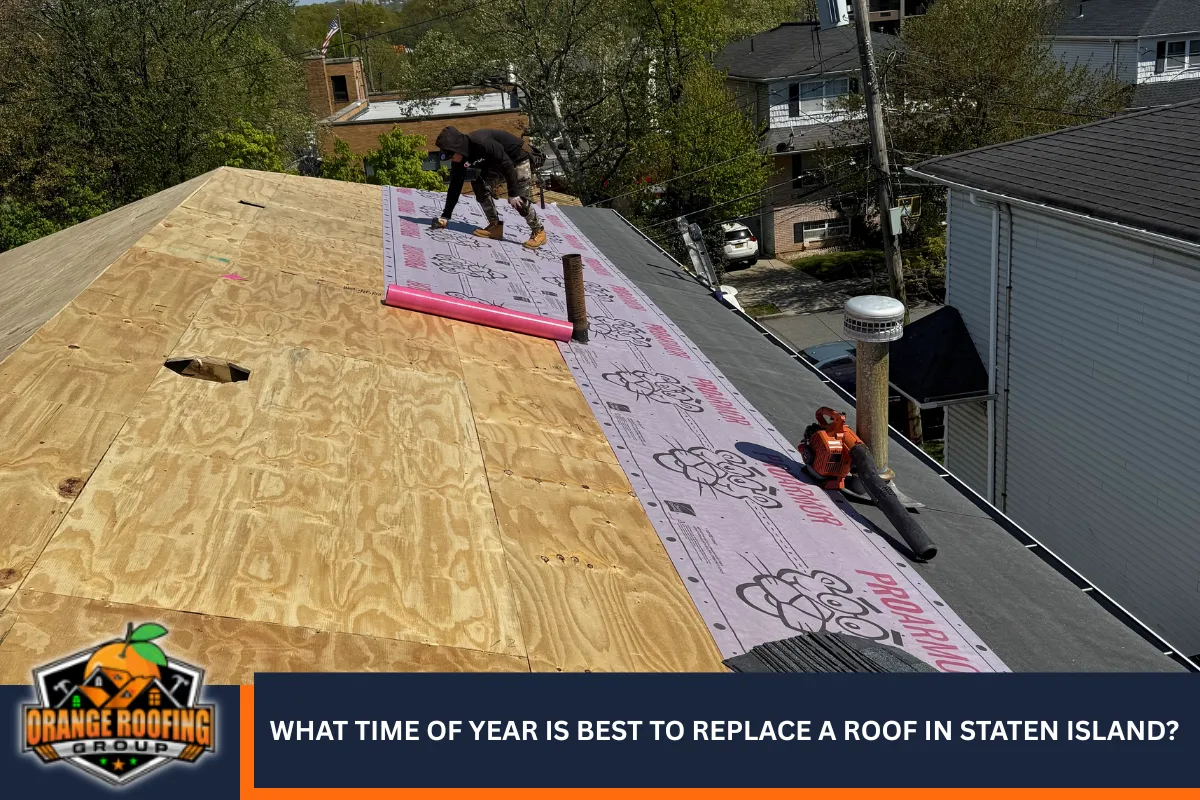
Late spring through early fall provides optimal conditions for roof replacement in New York, with temperatures and humidity levels allowing materials and adhesives to perform as designed. Most manufacturers specify installation temperatures between 40-90°F for proper shingle sealing.
Reputable roofing contractors can work during cooler months, but certain materials—particularly asphalt shingles—may require special handling or heating. Schedule your project early in the season to avoid peak-demand backlogs that build before hurricane season and winter storms. Booking exterior renovations in March or April often means faster scheduling and potentially better pricing before summer rush.
Do I need a permit to replace my roof in Staten Island?
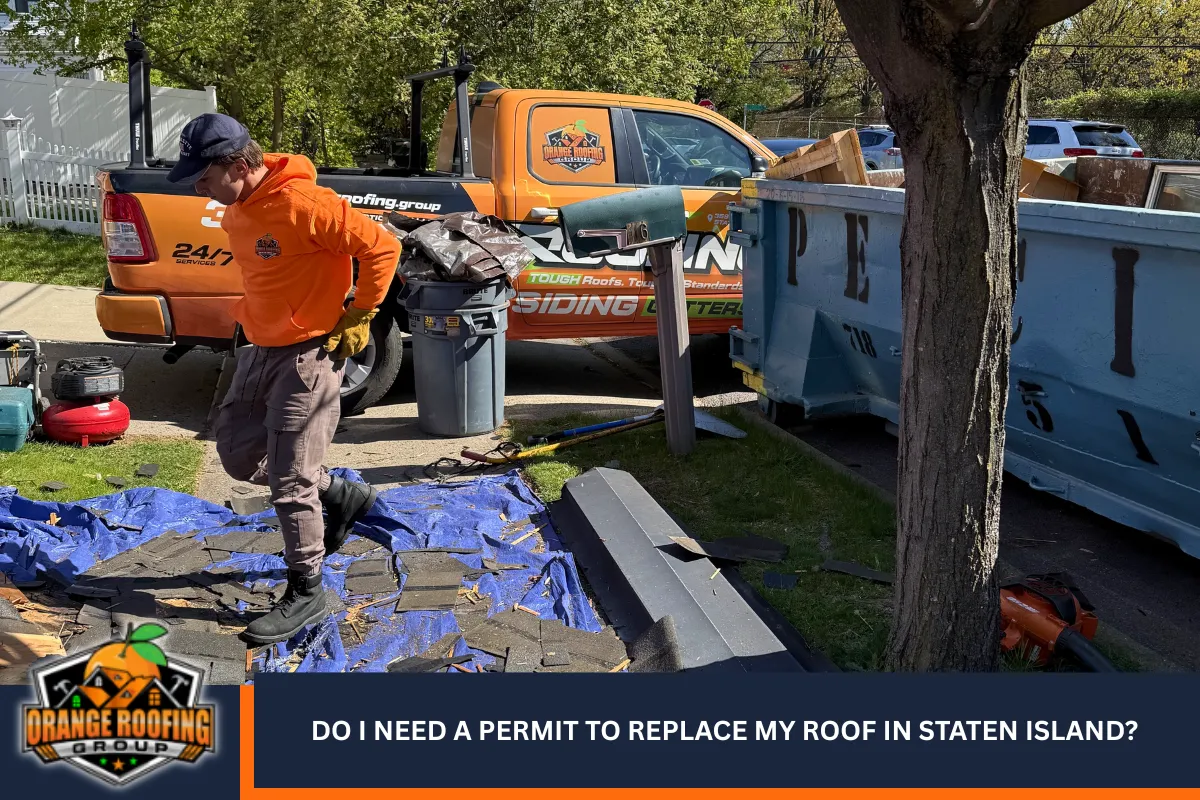
Yes, most roof replacement projects in New York City require permits from the NYC Department of Buildings. This applies to work exceeding 100 square feet on residential and commercial properties. Permits ensure compliance with wind uplift requirements, fire ratings, and proper drainage specifications.
Licensed roofing contractors typically handle permitting as part of their roofing services, filing necessary PW1 forms and scheduling required inspections. When comparing proposals from different new york roofers, confirm that permit costs are included and that the company will obtain all required approvals. Unpermitted work can create problems during home sales and may void insurance coverage.
Can I stay in my home while my new roof is being installed?
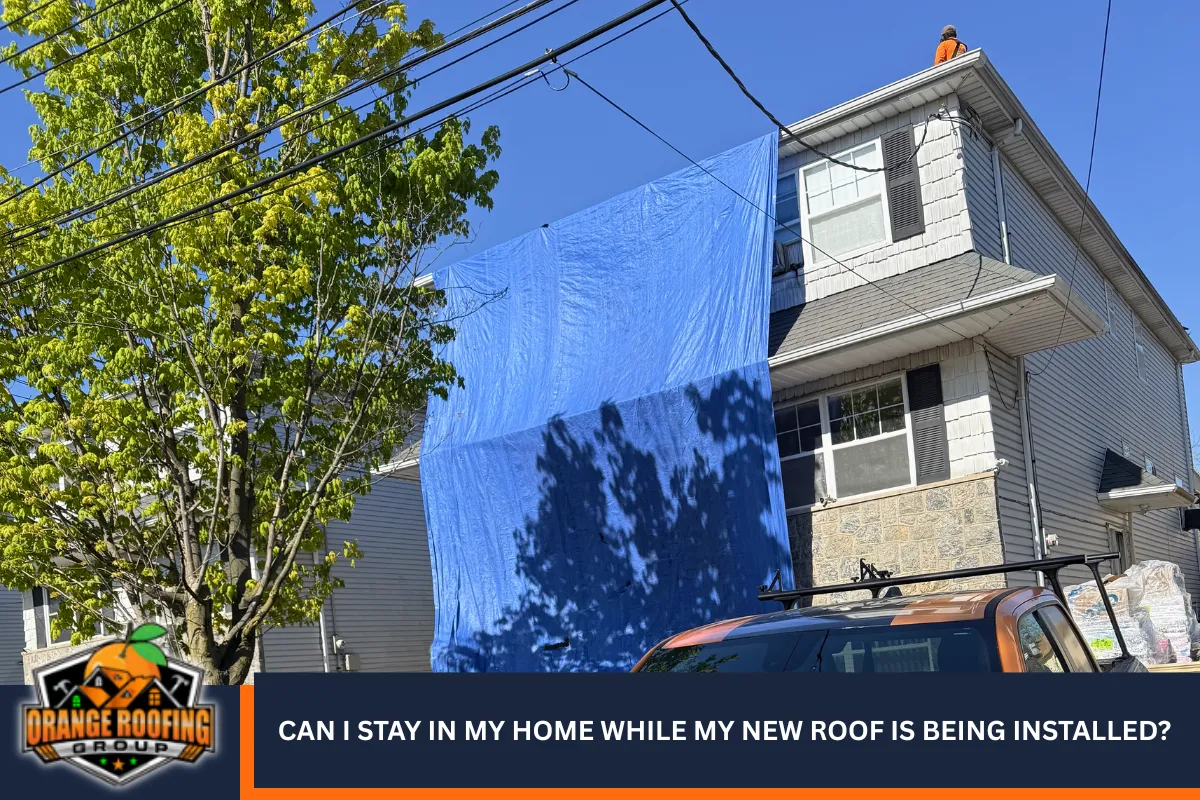
Most Staten Island homeowners remain in their house during reroofing projects. Expect significant noise from tear-off and roofing nails being driven, along with vibration that may affect items on walls and shelves. Work typically runs 8-10 hours daily for 1-3 days depending on roof size and complexity.
Prepare by securing fragile items, planning for pet comfort away from work areas, and moving vehicles away from the home. Siding and gutters may require temporary protection. More extensive projects involving structural work, masonry services, or major flat roof rebuilds may require brief periods of limited access to certain areas. Your roofing company should discuss logistics before work begins.
How do I choose between repair and full replacement after a storm?
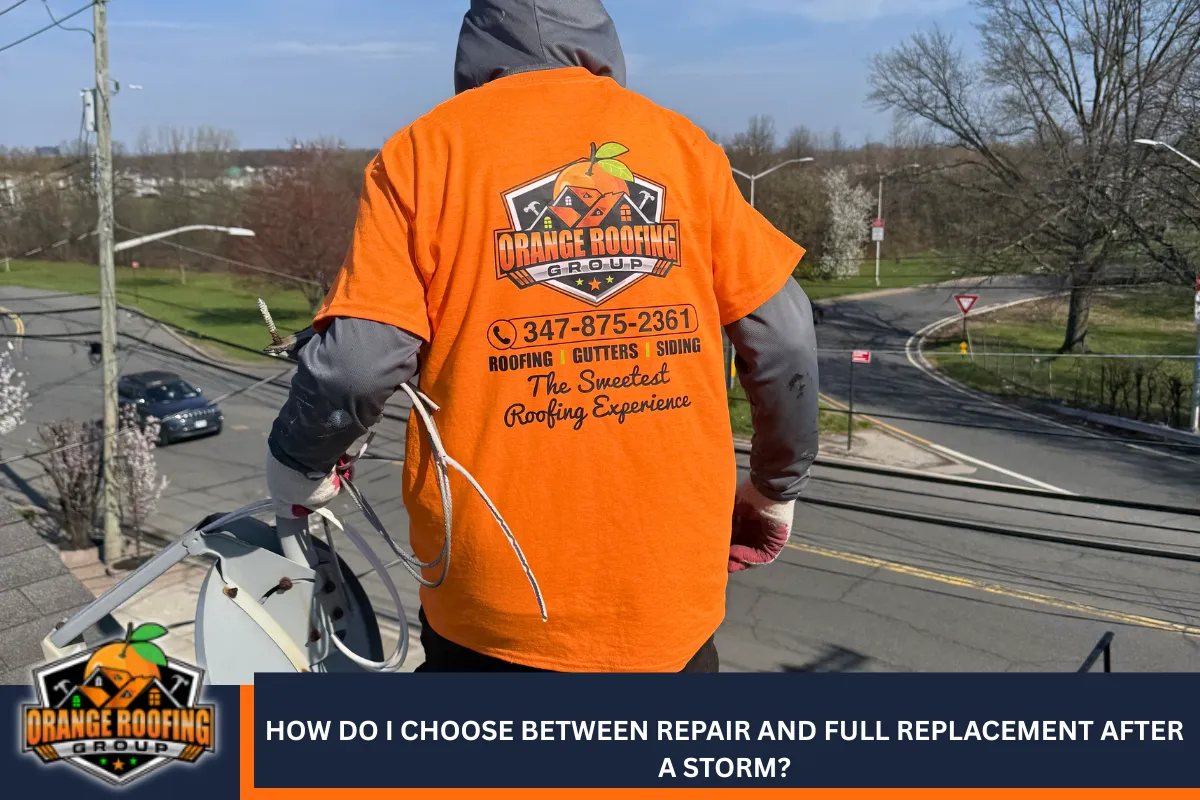
Start with a detailed inspection and written report from a trusted roofing company experienced with storm damage on Staten Island. Document all damage with photos before any temporary repairs. If damage is localized to a small area on a roof that’s properly maintained and relatively new, repairs often make financial sense.
However, widespread damage, multiple leak points, or roofs already approaching expected lifespan typically justify full replacement. Review your homeowner’s insurance policy and contact your adjuster promptly. Coordinate between your insurer and roofing contractor to ensure estimates align with coverage. A reputable contractor will help navigate claims and provide documentation insurers require for approval.
Article Disclaimer: This article provides general information about roofing materials and is not a substitute for professional advice specific to your Staten Island property. Building codes and regulations change periodically. Always confirm current requirements with NYC Department of Buildings and consult licensed contractors for project-specific guidance.
Read Roof Repair vs Roof Replacement: What Staten Island Homeowners Should Know