Roofing Companies in Staten Island see curling and buckling shingles more often than most homeowners realize, and the consequences of ignoring them are expensive. If you have noticed raised edges, wavy ridges, or shadowed tabs running across your roof, your shingles are already losing their ability to protect your house. Wind-driven rain slips under those lifted corners, soaking the roof deck and working its way into ceilings, insulation, and wall cavities. Once that happens, you are dealing with mold, drywall damage, and repair bills that multiply fast.
Staten Island’s coastal climate makes the problem worse. Salt air, summer storms, nor’easters, and freeze-thaw cycles all accelerate shingle wear. Curling and buckling shingles often indicate underlying issues that go deeper than the surface, from poor ventilation to moisture-damaged decking. The good news is that a qualified roofer can often extend the life of your shingle roof significantly when problems are caught early. But when curling spreads across a large portion of the roof, a full replacement becomes the only reliable path forward.
Key Takeaways
- Staten Island roofing companies start every curling or buckling shingle job by inspecting the roof surface, attic ventilation, and decking condition before recommending repairs or a full roof replacement.
- Limited curling on a younger shingle roof can often be fixed with targeted repairs, while widespread curling on an aging roof usually calls for a complete replacement to protect the home’s structural integrity.
- Local roofers working in Staten Island must follow NYC building codes, pull the required permits, and use proper safety equipment when repairing or replacing asphalt shingles.
- Scheduling a professional inspection at the first sign of curling shingles helps homeowners avoid costly roof leaks, mold growth, and interior damage that gets worse with every storm.
Main Causes of Curling and Buckling Shingles on Staten Island Homes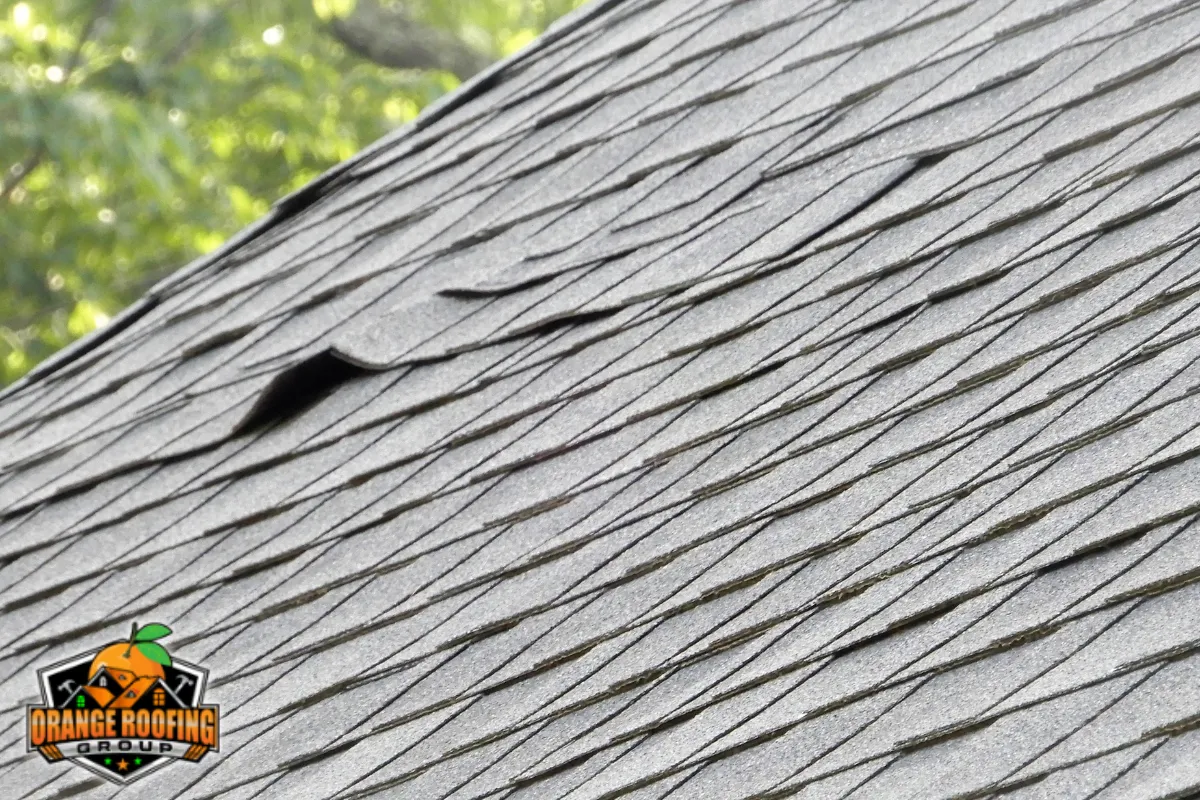
Understanding why shingles curl or buckle is the first step toward choosing the right fix. Most homeowners assume the shingles themselves are the problem, but the real drivers are usually hiding underneath or inside the attic space. Here are the most common causes roofing contractors encounter on Staten Island properties.
Poor attic ventilation is the leading cause of premature curling. When soffit or ridge vents are blocked or undersized, heat and moisture in attics become primary drivers of shingle warping. On a 90-degree summer day, attic temperatures can reach 140 degrees Fahrenheit without ventilation, and in severe cases, poor attic ventilation can raise temperatures to 150 degrees Fahrenheit. That superheated air bakes asphalt shingles from below, softening the binder and weakening the adhesive seal strips. Studies show that inadequate ventilation can reduce shingle lifespan by 24 percent, which means a roof that should last decades could start failing years ahead of schedule.
Moisture trapped below shingles causes cupping and curling on a different axis. Leaks from previous roof damage, ice dams along eaves, or bathroom fans venting directly into the attic all introduce water vapor that swells plywood seams. Moisture trapped beneath shingles can also lead to buckling, creating visible ridges that run across the roof surface. Wind and coastal moisture play significant roles in roof wear in Staten Island, compounding these effects season after season.
Age is an unavoidable factor. Most asphalt shingles are rated for a lifespan of 20 to 30 years, and shingles typically last 20 to 30 years before curling occurs. High-end shingles can last longer than standard asphalt shingles, but even premium materials eventually stiffen, lose granules, and lift at the edges. If your roof is in the second half of its expected lifespan, some degree of curling is normal.
Improper installation can lead to premature shingle curling on roofs that are much younger. Curling shingles can result from insufficient nailing or improper installation, including under-driven nails, incorrect nail placement, or shingles laid in cold weather before the sealant strips could bond. Installing shingles over multiple old layers also traps heat and moisture, accelerating distortion. Manufacturing defects and poorly stored roofing materials are less common but still possible explanations when relatively new shingles start to curl.
How Staten Island Roofers Inspect Curling or Buckling Shingles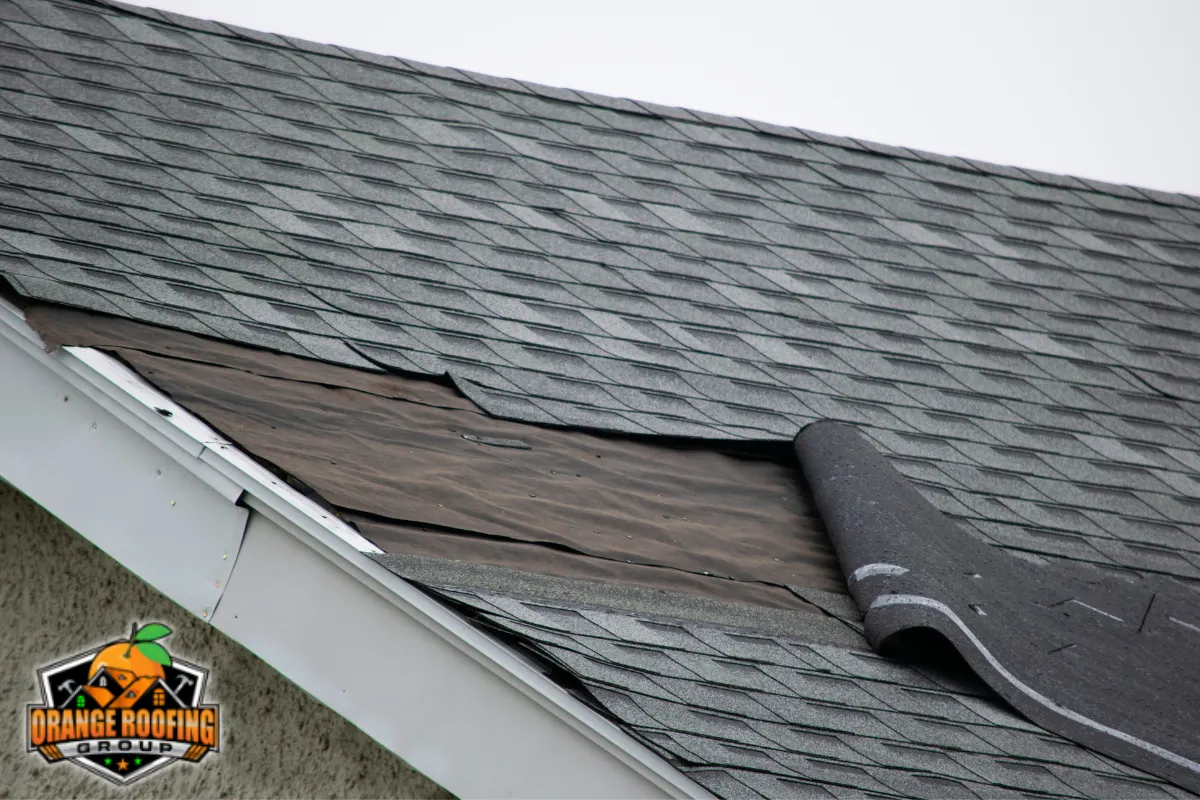
A thorough inspection is what separates a reliable roofing contractor from someone who just slaps cement on a lifted tab. Inspection involves assessing the roof surface, flashing, and structural integrity in a logical sequence. Here is what experienced roofers typically do.
- They start with a ground-level visual check using binoculars to locate curled individual shingles, missing shingles, and visibly buckled sections across the roof.
- On the roof itself, they gently test shingle flexibility. Brittle shingles that crack when bent signal advanced deterioration. They examine nail patterns, check for loose granules collecting in gutters, and inspect flashing around chimneys, skylights, and valleys for gaps or failed sealant.
- Roofing companies often inspect for moisture damage in the attic, looking for stains, mold, warped sheathing, and insulation that blocks soffit vents. This step reveals whether heat buildup or moisture is contributing to the curling you see on the outside.
- They also check gutter condition, downspouts, and evidence of past ice damming that causes cupping or clawing of shingle tabs along eaves.
- Routine inspections help identify installation mistakes contributing to problems, such as missing nails or improperly positioned fasteners that went unnoticed during the original job.
Safety matters. Reputable roofers use fall protection, harnesses, and roof brackets that comply with NYC standards. Homeowners should avoid climbing their own roofs, which risks both injury and further damage to fragile shingles.
When Roofers Recommend Repair vs. Full Roof Replacement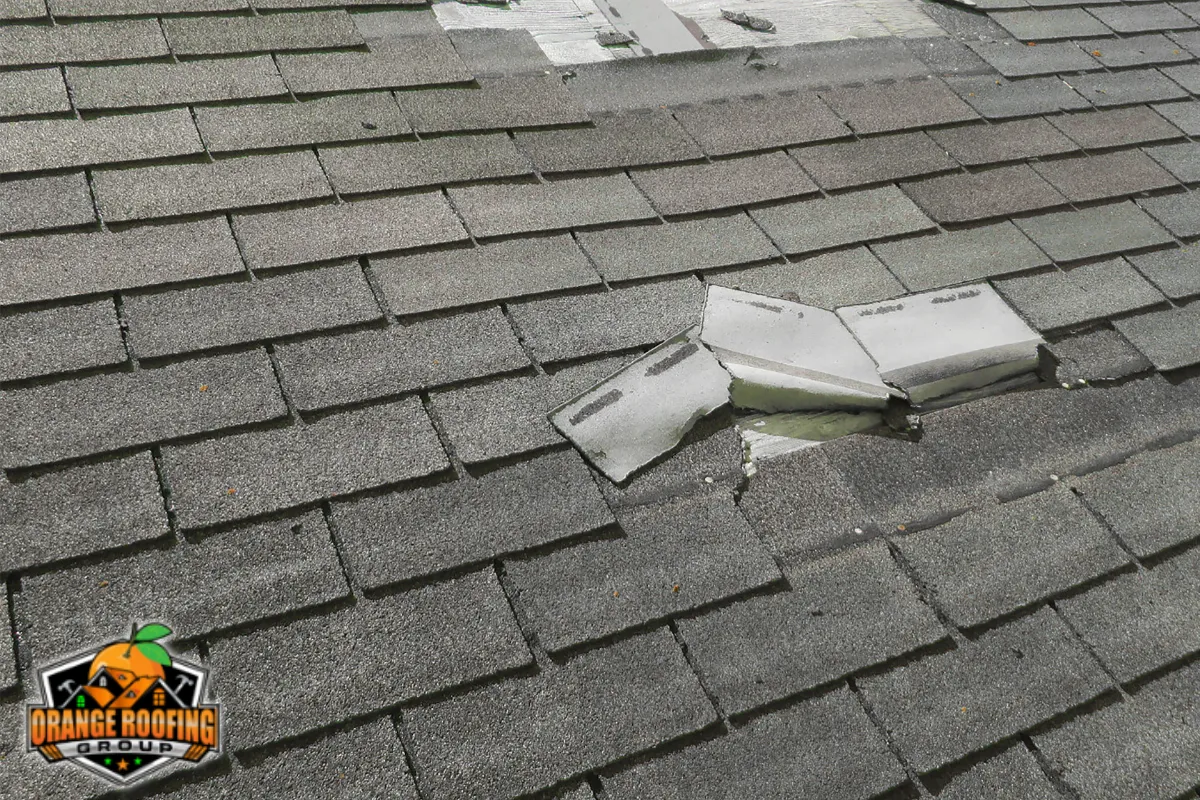
This is the decision that matters most to your wallet and your property’s long-term protection. Here is how experienced roofing contractors in Staten Island weigh the options.
- If curling is isolated to a small area, say one slope or under 10 to 15 percent of the total roof, and the roof is under roughly 12 to 15 years old, targeted repairs are usually the first recommendation. Repairs are effective for isolated curling only, and they can buy you several more years of reliable performance.
- Widespread curling indicates a need for roof replacement. When shingles across multiple slopes are lifting, cracking when bent, or showing heavy granule loss, patchwork becomes a losing strategy. Contractors may recommend full roof replacement if more than 25 percent of the roof is affected, because at that point the remaining shingles are likely approaching the same failure.
- A full roof replacement is recommended for extensive damage to ensure integrity. If the deck is rotted, ventilation is severely inadequate, or the roof already has two layers of shingles, a complete tear-off and replacement is the only code-compliant path.
- Good roofing services will walk you through the cost, warranty, and life-expectancy differences between a small repair, a partial re-roofing of one slope, and installing a completely new roof. They consider other factors like leak history, attic condition, and whether the home will be listed for sale soon.
- Repeatedly repairing a failing shingle roof can cost more over five to ten years than doing a single code-compliant roof replacement. Most homeowners save money in the long run by making the bigger investment when the signs point to widespread failure.
Step-by-Step: How Roofing Companies Repair Isolated Curling Shingles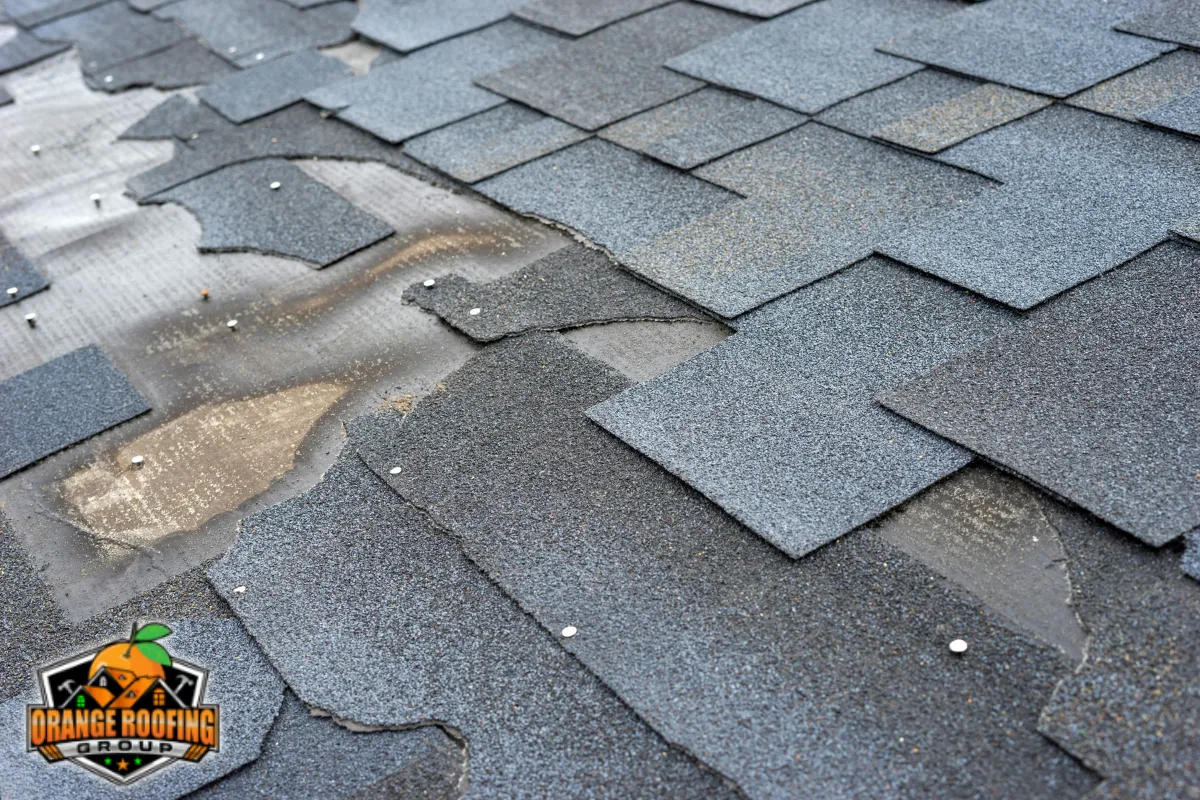
When the damage is limited and the roof still has life left, here is how roofing companies handle the repair from start to finish.
- Roofers schedule the work for a dry day with mild temperatures. They set up ladders, fall protection, and stage matching replacement shingles nearby. Cool but not cold weather allows sealant to bond without softening existing shingles too much.
- For minor curling, the technician will use a putty knife to lift the curled shingle edge, clean any debris or loose granules from underneath, and apply roofing cement beneath the tab. Curling shingles can be repaired with roofing cement when the shingle itself is still flexible and intact. The roofer then presses the shingle flat and weights it for 24 hours using a board or sandbag until the adhesive fully sets. Contractors may also apply roofing adhesive to re-seal curled shingles at nearby corners that show early lifting.
- When a shingle is too brittle or cracked to reattach, the team removes it entirely. They lift the overlapping shingle above, carefully extract the nails, slide out the damaged piece, and insert a matching new shingle. Nails go in at the manufacturer-specified positions, and the tabs above are resealed.
- Ethical roofing contractors also correct small underlying issues they discover during the repair. A missing nail, a loose flashing fastener, or a clogged gutter outlet near the work area gets addressed on the spot so it does not trigger a return visit.
- After repairs, the crew cleans debris from the roof and gutters, does a final visual check from the ground, and advises the homeowner to monitor the area after the next rain for any signs of leaks.
Read Signs of Granule Loss and How Roofing Companies in Staten Island Fix It
Correcting the Root Problems: Ventilation, Moisture, and Deck Issues
Fixing the visible curl is only half the job. If the conditions that caused the damage remain, new shingles will distort the same way. This is what separates the best roofing company from a quick patch.
Improving attic ventilation is essential to prevent recurring shingle problems. Roofing professionals may address airflow to reduce heat buildup by adding ridge vents, box vents, or ensuring soffit vents are unobstructed. Proper attic ventilation can extend roof life by up to 25 percent, which is a significant return on a relatively modest investment. Most shingle manufacturers, including those producing GAF shingles and other major brands endorsed by the asphalt roofing manufacturers association, require specific ventilation standards for warranty coverage. If your attic does not meet those standards, a material warranty claim could be denied.
Moisture control is equally critical. Roofers seal bathroom or kitchen exhaust fans that were venting into the attic instead of outside. They install baffles to keep insulation from blocking soffits and repair minor leaks before they rot the wood beneath. Proper ventilation combined with moisture management keeps the deck dry and stable.
Buckling often results from loose roof decking caused by moisture-induced movement. When sheathing is warped or swollen, the only fix is to remove shingles in the affected zone, replace the damaged plywood, and install new underlayment before laying new shingles over a flat, solid deck. Restoring proper underlayment helps prevent further structural issues after repairs. In some older Staten Island homes with flat roofing tie-ins on additions or porches, roofers may also improve drainage or replace failing modified bitumen sections to stop trapped moisture from migrating to the main shingle roof.
Materials and Techniques Staten Island Roofing Contractors Commonly Use
The materials a roofing company selects directly affect how long a repair holds up against Staten Island weather.
- Most homes in the borough have either three-tab or architectural asphalt shingles. Architectural shingles are thicker, heavier, and more resistant to curling because of their laminated construction. When individual shingles need replacement, roofers match the style, weight, and color family as closely as possible to maintain curb appeal and waterproofing continuity.
- Underlayment choices matter for buckling prevention. Synthetic felt and ice-and-water shield membranes at eaves and valleys create a secondary moisture barrier that protects the deck even if a shingle lifts during a storm.
- For fastening and sealing, contractors use stainless steel or hot-dipped galvanized roofing nails set flush with the shingle surface. Roofing cement, compatible sealant caulks, and starter strips secure edges against wind uplift at eaves and rakes.
- Metal roofs and flat roofing systems do not curl in the same way asphalt shingles do, but problems at transitions between different roof types can still cause shingles to lift or buckle nearby. A good contractor checks those intersections.
- Cedar shakes can increase reroofing costs to around 24,000 dollars and add significant time to the project, which is worth knowing if your home has a mixed-material roof or you are considering a material change.
- Reputable roofing services select premium materials that meet manufacturer specifications and NYC building code requirements, keeping warranties and insurance coverage valid.
Costs, Warranties, and Insurance for Curling Shingle Repairs
Every roof is different, but having a realistic cost range helps you budget and compare proposals.
- Small shingle repairs in Staten Island, covering a handful of curled or replaced shingles plus a service call, typically run from a few hundred dollars up to roughly 1,000 dollars depending on access, slope, and the number of shingles involved.
- Roof replacements in Staten Island cost between 11,000 and 17,000 dollars for a standard asphalt shingle installation. For a 1,500 square foot home, local estimates have ranged from about 11,000 dollars for a single-layer tear-off to 15,500 or 16,000 dollars for more complex jobs. Cedar shakes can increase the cost and time of reroofing significantly, pushing totals near 24,000 dollars.
- Material warranties on asphalt shingles range from 20 to 50 years depending on the brand and product line. Workmanship warranties from local roofers are usually shorter, often five to ten years. However, if attic ventilation does not meet the manufacturer’s requirements, both warranties can be voided.
- Homeowners’ insurance may help when curling or lifted shingles result from a documented storm or wind event. But long-term wear and tear, deferred maintenance, and improper installation are typically not covered. Filing insurance claims with photos, a professional inspection report, and a detailed scope of damage improves your chances.
- Always get a free estimate and a written scope of work from more than one contractor before approving major roof repairs or a full replacement. Comparing proposals helps you understand what is included and ensures you do not overpay.
Staying Code-Compliant and Safe Under NYC and Staten Island Rules
Staten Island is part of New York City, and every roofing contractor working here must follow the NYC Building Code. Ignoring these requirements puts homeowners at risk of fines, failed inspections, and voided coverage.
- Full roof replacement projects, structural modifications, and deck replacements generally require permits from the NYC Department of Buildings. Minor patches may be exempt, but the line between exempt repair and permit-required work is narrow. When in doubt, hire a contractor who pulls the permit for you.
- In most cases, only one additional shingle layer is allowed over an existing layer under NYC code. If your roof already has two layers, a complete tear-off down to the deck is mandatory before installing a new roof.
- Code requires proper roof ventilation and ice barrier membranes in specific locations, particularly at eaves and valleys. Skipping these standards increases the risk of curl-related leaks and can create inspection failures when you sell the house.
- Unlicensed or uninsured roofers may offer lower prices, but their work often does not meet code. That leaves the homeowner liable for fines, failed inspections, and the cost of redoing the job correctly. The foundation of a safe roofing project is verifying license numbers, insurance certificates, and who is responsible for permits before signing any contract.
- A legitimate roofing company in NY will have no problem providing documentation. If a contractor hesitates, that is a clear signal to look elsewhere.
How to Monitor Your Roof and Prevent Future Curling Problems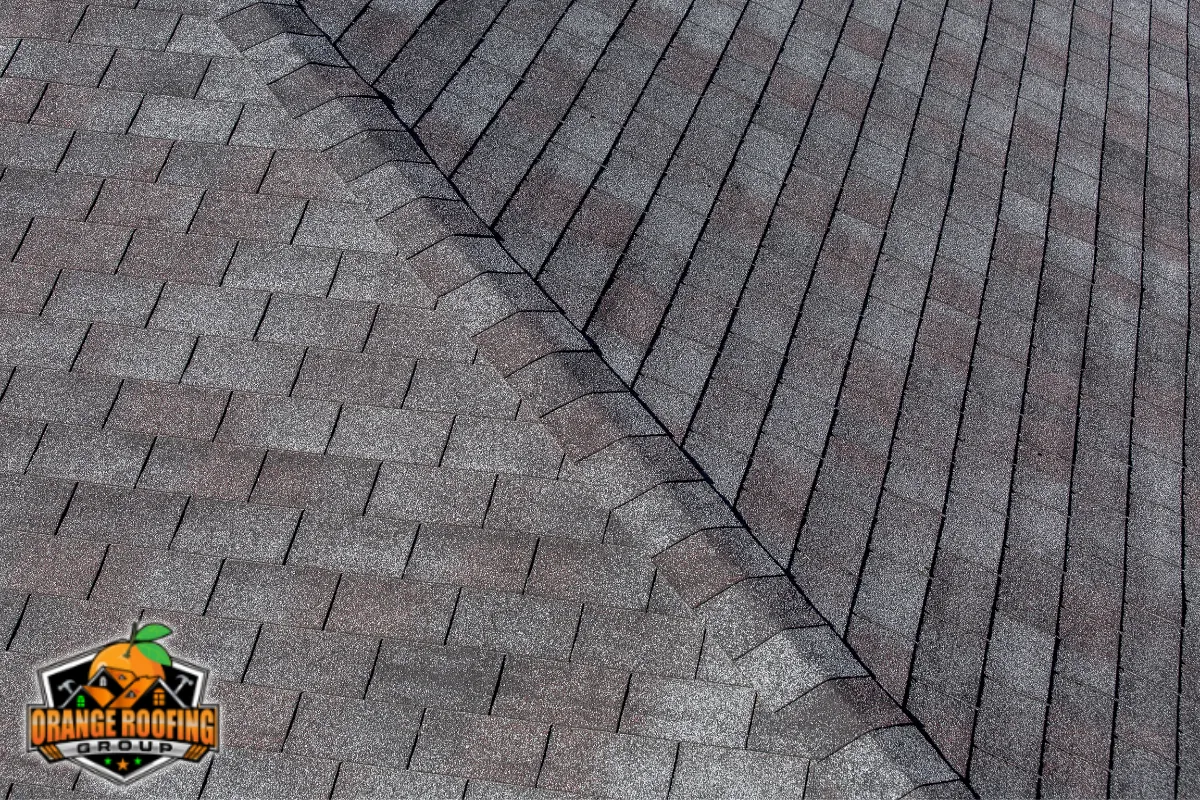
Catching problems early is the simplest way to save money and avoid emergency repairs. Here is a practical checklist any homeowner can follow.
- After major storms, do a quick visual check from the ground. Look for new curling shingles, missing shingles, or debris piles that trap moisture against the roof surface. Binoculars make this easier without climbing a ladder.
- Keep gutters and downspouts clean. Clogged gutters back up water under the bottom course of shingles, accelerating edge curling and rot. Trim overhanging tree branches that drop leaves and shade sections of the roof, promoting moss and moisture retention.
- Monitor your attic space seasonally. Check for unusual humidity, condensation on rafters, or light visible through seams. These are early indicators that ventilation or moisture barriers are failing.
- Schedule a professional inspection every one to two years, or before listing your home for sale. A documented inspection report helps with insurance claims, buyer negotiations, and long-term planning.
- Proactive maintenance and timely roof repairs almost always cost far less than emergency leak calls or a premature full replacement forced by years of neglect. Working with a trusted local roofing service helps you build a long-term care plan for your shingle roof, giving your home the durability it needs through every season on Staten Island.
Roofing Companies in Staten Island – Orange Roofing Group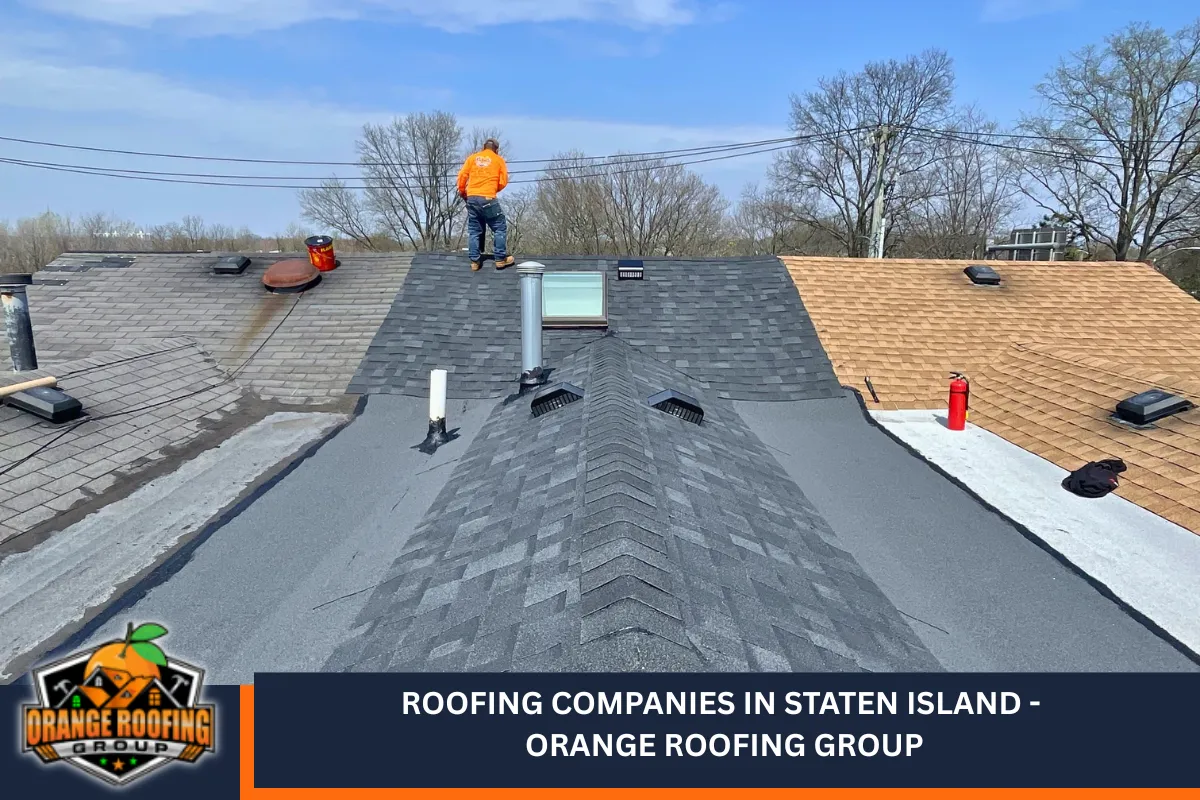
At Orange Roofing Group, we are proud to be one of the trusted roofing companies in Staten Island, NY. Our team specializes in diagnosing and repairing curling shingles, fixing roof leaks, and handling storm damage on homes across the community. Whether you need a small roof repair on a few lifted tabs or a complete roof replacement with new materials and proper ventilation, we handle every step with clear communication and detailed written estimates. We follow NYC building codes, use quality roofing materials, and stand behind our services with strong workmanship warranties. Call Orange Roofing Group today at (347) 875-2361 for a free estimate, fill out our contact form online, or schedule an on-site inspection. We are ready to protect your property and your investment.
Frequently Asked Questions
How long can I safely wait after noticing curling shingles before calling a roofer?
You should not wait more than a few weeks, and ideally you would call within days. Even a small area of curling exposes the underlayment and deck to rain, and a single heavy storm can turn a minor lift into an active leak. In Staten Island, where sudden coastal storms are common, delays are riskier than in drier climates. The longer curled edges remain unsealed, the more likely wind will catch them and tear tabs completely off. Getting a professional inspection scheduled quickly lets you decide on the right repair scope before damage escalates and costs jump from a simple reseal to a much larger project.
Can partial shingle replacement on one slope affect how my roof looks and performs compared to older sections?
Yes, it can. New shingles will not perfectly match older ones because UV exposure and weathering change the color and texture of existing shingles over time. A skilled roofing contractor will select the closest available color match and install shingles from the same manufacturer line to minimize the visual difference. From a performance standpoint, a partial replacement works well as long as the remaining shingles are still in serviceable condition and the deck beneath the older sections is solid. If the color gap bothers you or the older sections show early signs of failure, it may make more sense to do a full replacement for consistent durability and curb appeal.
Are there specific shingle types or brands that resist curling better in Staten Island’s climate?
Architectural laminated shingles generally resist curling better than three-tab shingles because they are thicker and heavier, which makes them harder for wind to lift. Among major brands, GAF shingles, CertainTeed, and Owens Corning all offer product lines rated for high-wind zones and enhanced sealing strip performance. Look for shingles rated to at least 130 mph wind resistance and those with algae-resistant granule coatings, which matter in humid coastal environments. Some premium materials carry 50-year warranties when paired with proper ventilation and installation by a certified contractor. Ask your roofer which product lines they are certified to install, since certification often determines warranty eligibility.
How do I know if a roofing contractor is truly experienced with diagnosing ventilation-related curling issues?
Ask directly. A contractor who understands ventilation will be able to explain the ratio of intake to exhaust vent area your attic needs, describe the signs of moisture damage they look for in the attic, and tell you whether your current vent setup meets manufacturer requirements for warranty coverage. They should also be willing to show you their findings during the inspection rather than simply handing you a quote. Check online reviews and ask for references from past job sites where they corrected ventilation problems specifically. If a company only talks about replacing shingles and never mentions the attic, that is a red flag that they are treating symptoms instead of causes.
What should I expect during a one-day curling shingle repair visit at my Staten Island home?
A typical repair visit starts in the morning with the crew setting up ladders, tarps to catch debris, and safety equipment. The roofer will do a final up-close assessment of the curling area, then begin lifting and resealing tabs with roofing cement or removing and replacing damaged shingles. For a small to moderate repair covering a section of one slope, the hands-on work usually takes three to five hours depending on the pitch and access. Afterward, the team cleans the roof surface, checks gutters, and does a ground-level final review. You should receive a summary of what was done, any additional concerns they spotted, and recommendations for monitoring or follow-up maintenance in the coming months.
Disclaimer: This article is for general educational purposes only and is not a substitute for an on-site evaluation by a licensed roofing contractor. Roof conditions vary, and homeowners must follow current NYC building codes, manufacturer installation guidelines, and their insurance policy requirements. Always consult a qualified roofer before making repair or replacement decisions.
Read Why Roofers in Staten Island Warn Against Ignoring a Slow Roof Leak