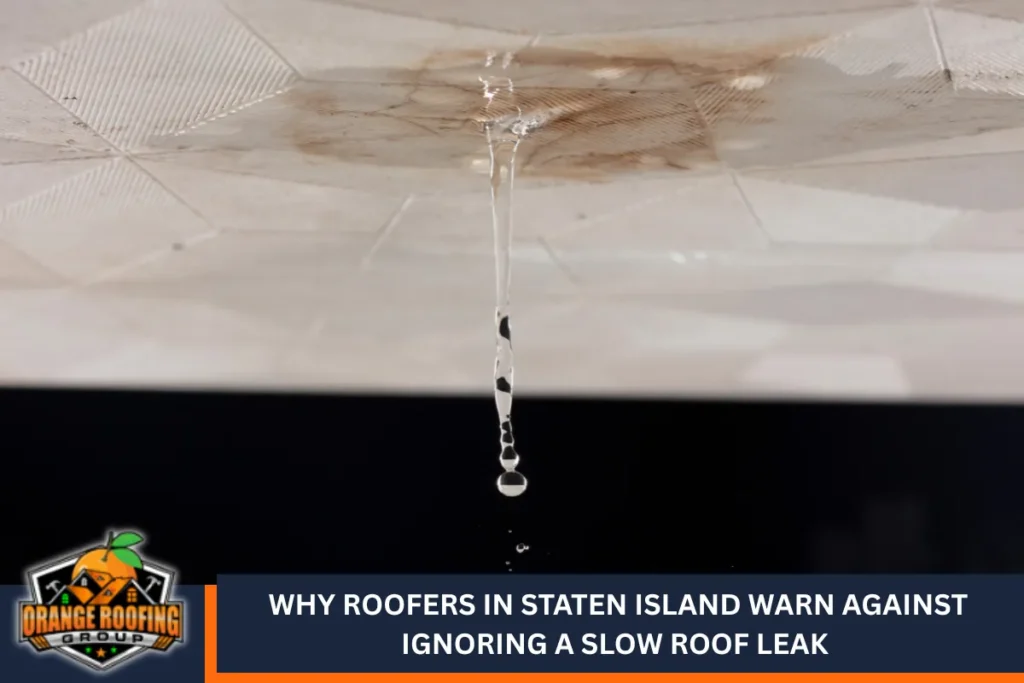
Roofers in Staten Island see it almost every week: a homeowner calls about a sagging ceiling or dark mold streaking down a bedroom wall, and the root cause traces back to a small drip that started one or two storm seasons ago. Visible signs of roof leaks include brown or yellow streaks on ceilings, and most homeowners dismiss them as cosmetic. That small roof leak during a nor’easter, that faint ceiling spot after a March rain, or that musty smell drifting from the attic rarely feels urgent. But it is.
Staten Island sits in one of the toughest climates for roofing systems anywhere in New York. Freeze-thaw cycles push water deeper under shingles and through flashing seams every winter. Coastal salt air corrodes metal components. Summer downpours and heavy rain test every membrane, boot, and joint on a roof. When water seeps into these vulnerable areas and homeowners delay calling a roofing company, damage compounds fast. The solution is timely roof repair, professional leak detection, and regular maintenance from reputable roofing contractors before moisture reaches insulation, framing, and interior finishes.
- Early leak repair often costs a fraction of what delayed damage requires.
- A single inspection from a qualified roofing contractor can prevent thousands in future repairs.
- Protecting your home’s structure starts with addressing what seems like a minor problem today.
Key Takeaways
- Slow roof leaks in Staten Island’s coastal climate quickly escalate into structural damage, mold growth, and costly repairs that far exceed the original fix.
- Ignoring roof leaks leads to increased energy bills because soaked insulation loses its ability to regulate temperature.
- Local roofers can usually handle a small leak with straightforward leak repair when it is caught early, helping homeowners avoid full roof replacement.
- Heavy rainstorms and nor’easters common to the area can worsen a roof leak rapidly, turning a minor inconvenience into extensive damage.
- Homeowners should call trusted local roofers for an inspection and free estimate at the first sign of water stains, musty smells, or ceiling discoloration.
Hidden Structural Damage: What a Slow Leak Really Does to Your Home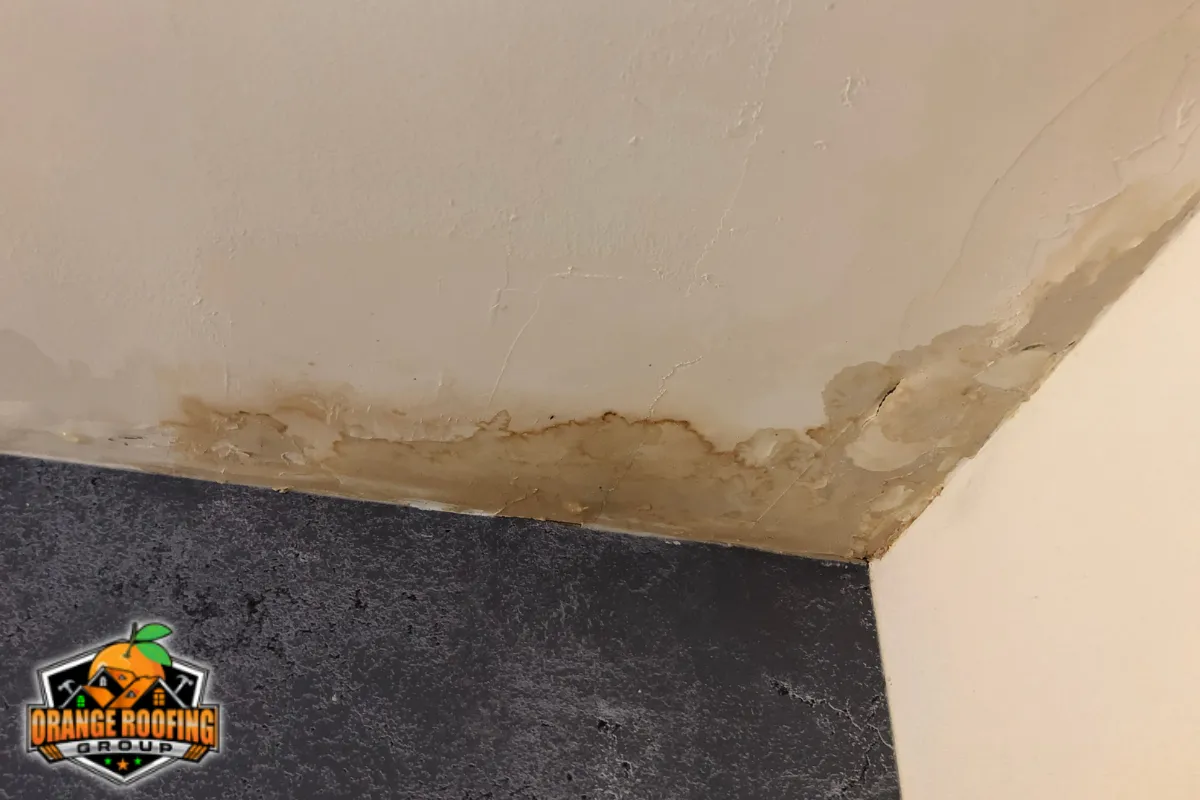
A slow roof leak does not announce itself with a dramatic flood. Instead, water finds its way under missing shingles, through nail holes in roof decking, and around flashing at chimneys, vents, and skylights. Over months or years, this moisture saturates plywood or OSB sheathing, soaks into rafters, and travels down wall studs into areas you cannot see from the living space. Water damage can spread quickly, affecting hidden areas well before any visible sign appears indoors.
Water intrusion can weaken structural beams and rafters, and once moisture can cause wood rot and structural integrity loss, the damage becomes far more than cosmetic. In older Staten Island homes built during the 1950s through 1980s, aging 2×6 or 2×8 framing and decades of patchwork repairs make the entire roofing system especially vulnerable. Metal fasteners rust and lose holding strength. Delaminated roof decking sags underfoot. Roofing contractors performing inspections across Staten Island between 2022 and 2026 have consistently found compromised sheathing on roofs that are 20 or more years old and have had unaddressed leaks.
Flat roofing on row homes and commercial property buildings along Hylan Boulevard, New Dorp, and St. George faces a different but equally dangerous risk. Ponding water sits on membranes for extended periods rather than shedding, accelerating hidden decay in the structure beneath. Over time, ignoring leaks can lead to sagging ceilings or even partial roof collapse.
Beyond rot, moist wood attracts pests like termites and carpenter ants, compounding the structural threat. Electrical hazards arise when leaks affect wiring and fixtures in ceilings and walls, and water reaching electrical wiring creates significant fire risks that many homeowners never consider.
Warning signs to watch for:
- Subtle ceiling dips or bubbling paint and sagging drywall that can signal a roof leak
- Doors on upper levels that no longer close properly
- Hairline cracks near upper corners of walls along the roofline
- Soft or spongy spots noticed while cleaning gutters or accessing the attic
Professional roofers can use moisture meters and thermal imaging during detailed inspections to locate hidden damage before it demands major reconstruction and expensive repairs.
Mold, Air Quality, and Health Risks from Ignoring Roof Leaks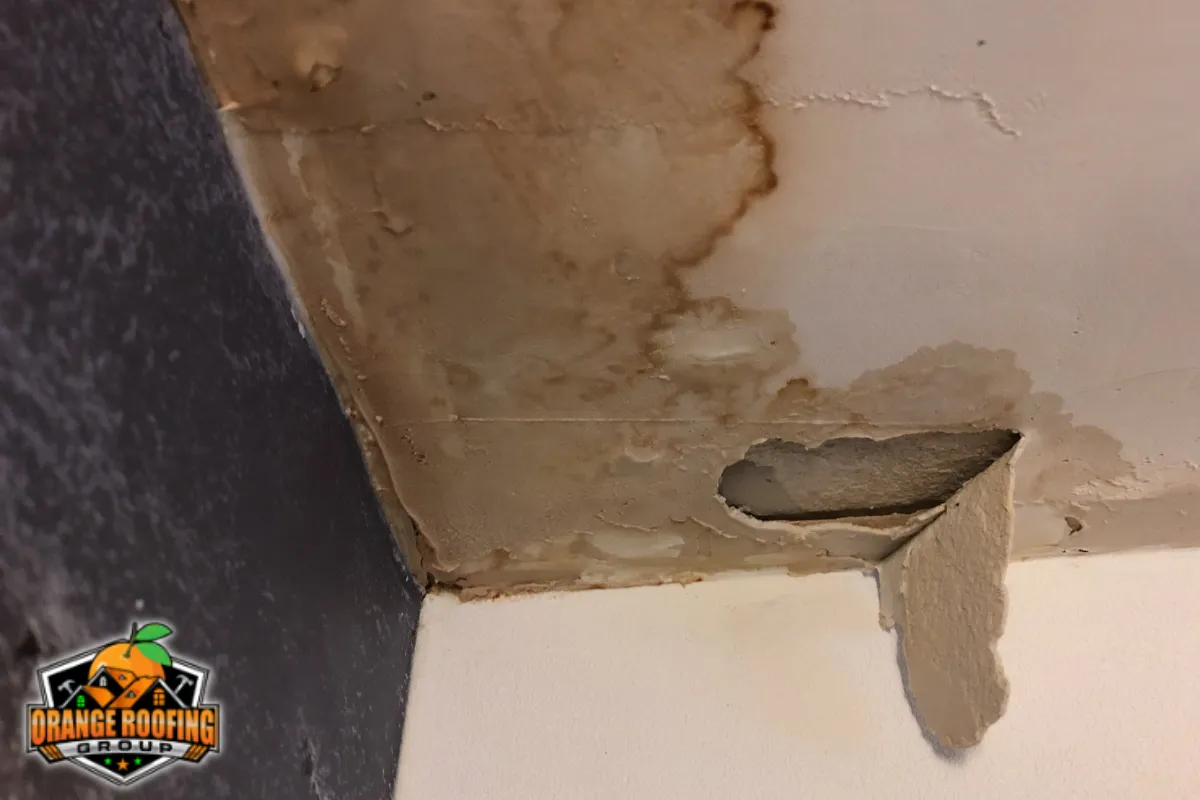
When a leak creates persistent dampness in your attic, walls, or ceiling cavities, it builds a perfect environment for biological growth that threatens your household’s health. Moisture creates an ideal environment for mold growth, and mold can begin spreading within 24 to 48 hours once conditions align. The problem rarely stays contained.
Mold spores travel through wall cavities and HVAC ducts, reaching rooms far from the original leak. Mold can contaminate indoor air quality and cause respiratory issues even when the visible stain on a ceiling looks small. Behind the drywall, inside insulation, and around framing joints, mold and mildew growth may be far more advanced than what appears on the surface.
The health risks are well documented. Aggravated asthma, chronic coughing, sinus irritation, and headaches are common among occupants of homes with ongoing dampness. Mold growth can lead to health risks for vulnerable individuals, including children, seniors, and anyone with compromised immune systems. Studies reviewed by the CDC and the World Health Organization consistently link indoor dampness to elevated rates of respiratory issues, allergic reactions, and bronchitis. These are not theoretical risks. They show up in Staten Island homes every season.
Staten Island’s humid summers and tightly sealed winter homes trap moisture, and that trapped air makes mold and mildew remediation more complex and more expensive. Mold remediation can cost thousands of dollars once contamination has spread through wall cavities and ductwork. In severe cases, the cost of remediation alone rivals a partial roof replacement.
Early signs homeowners should not ignore:
- Musty odors in attics indicate potential roof leaks and hidden mildew growth
- Dark streaks or patches on ceiling paint
- Peeling wallpaper or blistered latex paint
- Recurring cold-like symptoms that improve when family members leave the house
Calling local roofers for leak repair and arranging professional mold assessment when needed is far cheaper than dealing with long-term health consequences and extensive interior tear-outs. The longer water sits, the worse the air quality in your home gets.
Read Signs of Hidden Storm Damage Roofers in Staten Island Look For
Insulation Damage, Energy Bills, and Interior Finishes at Risk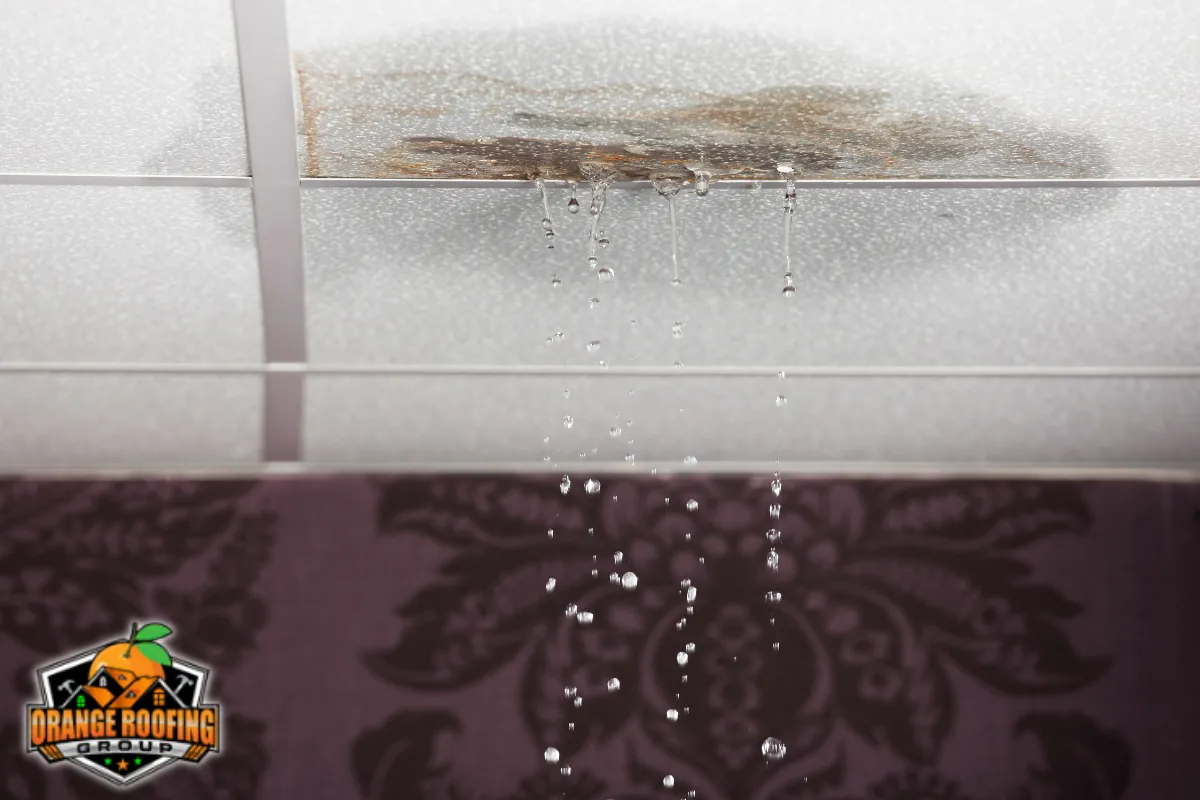
Water from a slow roof leak does not just damage wood and drywall. It saturates the insulation sitting between your rafters and ceiling joists. Fiberglass batts compress and lose loft when wet. Blown-in cellulose clumps together and sags. Water-damaged insulation loses its effectiveness, and saturated material can forfeit up to half its R-value. That means your home can no longer hold a comfortable temperature the way it should.
The result hits your wallet every month. Leaky roofs increase HVAC energy consumption because your furnace and cooling system have to work harder to compensate for the thermal gaps. During Staten Island’s peak winter months from December through February and the hottest stretches of July and August, higher energy bills result from leaks allowing air escape through compromised attic insulation. Damp insulation takes longer to dry out, increasing costs with every billing cycle. Many homeowners see noticeably increased energy bills and higher utility bills without connecting the cause to a roof issue overhead.
Prolonged dampness also destroys interior finishes. Water stains spread across ceilings. Paint bubbles and peels. Plaster cracks. Crown molding warps, and hardwood or laminate flooring beneath a leak can buckle beyond repair. Roofing contractors frequently encounter specific patterns: peeling bathroom paint beneath a leaking vent pipe boot, warped baseboards near an exterior wall, or blistered drywall joints around skylights. Repairs may involve drywall replacement and electrical inspections if water has contacted wiring or fixtures.
How neglect multiplies costs:
- A few-hundred-dollar leak repair can grow into thousands when insulation replacement, repainting, floor restoration, and drywall work pile up
- Insulation damage alone can run well over a thousand dollars depending on the affected area
- Restoring interior finishes across a room often exceeds the cost of the original roof repair several times over
Quick action after the first stain often limits the scope to minor roof repair, a small patch of insulation, and touch-up paint, rather than a full-room renovation that drains your savings.
From Small Drip to Major Problem: Financial and Legal Consequences
The financial math of ignoring roof leaks is brutal. A small drip that could have been fixed for a few hundred dollars in its first season can quickly escalate once water has compromised decking, framing, and interior surfaces. Delaying a $300 repair can lead to a $3,000 replacement or more. When repair costs approach 30 to 50 percent of a full roof replacement, which averages roughly $9,625 for a standard asphalt shingle roof on a typical Staten Island home, many roofing companies recommend replacing the entire roofing system rather than patching what is fundamentally compromised. A small leak can escalate into a full roof replacement far faster than most homeowners expect.
Insurance adds another layer of financial risk. Many homeowners insurance policies in New York distinguish between sudden storm damage, which is often covered, and gradual damage from neglect, which is frequently denied. Ignoring roof leaks may result in insurance claim denials, leaving you responsible for the full cost out of pocket. Ignoring leaks can also void your roof warranty or insurance coverage if required maintenance and timely roof repairs are not documented by a qualified roofing contractor.
In Staten Island, roof work must follow the NYC Building Code. Structural repairs and full replacements generally require permits from the NYC Department of Buildings, and the work must be performed by licensed and insured roofing companies. Failing to comply can lead to code violations, failed inspections, and complications if you try to sell your home.
Speaking of selling, an active roof leak can reduce a home’s market value significantly. Water damage raises red flags during buyer inspections, and potential buyers often walk away or demand steep concessions. Ignoring roof leaks can lead to lower offers from potential buyers, and neglected roof leaks can make a home less attractive to buyers concerned about curb appeal and hidden problems. Roof leaks can also create issues with mortgage lenders and insurance providers, potentially stalling or killing a sale entirely. Water damage can significantly reduce your home’s market value in ways that go well beyond the cost of the repair itself.
Key financial and legal risks of delay:
- Insurance claims denied for gradual or neglected damage
- Manufacturer warranties voided without documented regular maintenance
- NYC code violations from unpermitted or noncompliant repairs
- Reduced property value and lower offers from potential buyers
- Emergency repair premiums charged after a big storm when demand spikes
Smart Steps Staten Island Homeowners Can Take When a Leak Appears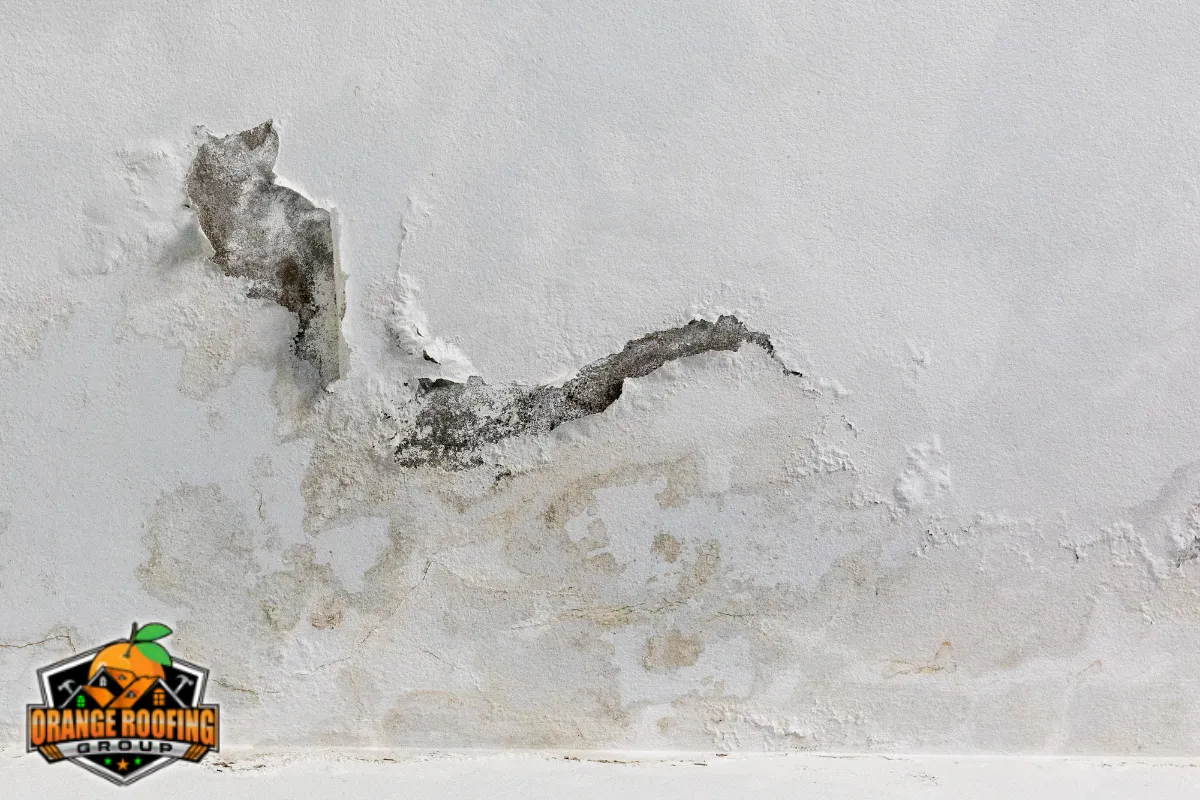
When you spot a leak, the first hours matter. Contain water with buckets or bins, move furniture and electronics away from the affected area, and photograph all visible damage for insurance documentation. If there is any sign of water near light fixtures or electrical outlets, shut off power to those circuits immediately. This is not an overreaction. Water near wiring is a genuine safety hazard.
If conditions allow, check the attic during daylight. Look for active drips, darkened roof decking, or wet insulation. Stay on the joists rather than stepping between them, and use a flashlight to scan for discoloration or mildew on framing. This quick look can tell you a lot about the scope of the problem before a professional arrives.
Call professional roofers right away if you see active dripping during rain, bulging or sagging ceilings, visible mold, or a sagging roof surface. These are signs that damage has already progressed beyond what a homeowner can safely manage. For a new stain that appeared after a single storm with no active dripping, a prompt but scheduled inspection within a few days is usually sufficient.
Seek a free estimate from trusted local roofers and compare written proposals. A good roofing service will detail the materials, scope of leak repair, labor timeline, warranties offered, and compliance with Staten Island building regulations. Do not accept verbal quotes for anything beyond the simplest fix.
Homeowners should schedule regular roof inspections to prevent damage before it starts. Aim for at least one professional inspection per year, ideally twice, once in spring to assess winter damage and once in fall to prepare for the cold season. Between inspections, keep gutters clear, check flashing around chimneys and skylights, and monitor flat roofing for ponding water after heavy storms.
Small leaks never resolve on their own. Action in the first 24 to 72 hours often keeps a manageable issue from becoming a major problem that demands emergency roofing service and costs many times what an early repair would have run.
Roofers in Staten Island – Orange Roofing Group
At Orange Roofing Group, we have spent years helping Staten Island homeowners protect their homes from the kind of damage this article describes. We are local roofers based right here in Staten Island, New York, and we specialize in roof repair, leak detection, and repairing roofs on both pitched shingle and flat roofing systems. Our roofing company provides prompt roofing service, thorough inspections, and clear written estimates so you understand every step of your roof repairs before we begin any work. We are a licensed, insured, and experienced roofing contractor team familiar with the unique weather challenges and building styles found across Staten Island neighborhoods. Whether you need a quick fix for a small leak or a consultation about your entire roofing system, we are ready to help. Call us at (347) 875-2361 or fill out our contact form to schedule a free estimate before a slow leak turns into costly repairs. Visit our office to speak directly with a roofing contractor on our team about materials, timelines, and warranty options. Orange Roofing Group is the best roofing company to call when your roof needs attention.
Frequently Asked Questions
How often should a roof in Staten Island be professionally inspected?
Roofing professionals recommend at least one inspection per year for most homes, and twice per year for properties with older roofs, flat roofing membranes, or a history of previous leak repair work. The ideal schedule involves one visit in spring after winter ice and snow have taken their toll, and another in fall before the cold season sets in. After any major weather event like a nor’easter or tropical storm, an additional inspection is wise even if no interior signs of damage are visible. Regular inspections are one of the most cost-effective forms of regular maintenance a homeowner can invest in, because catching a problem early prevents the kind of cascading damage that turns a minor repair into a five-figure project.
What temporary measures can homeowners safely take before roofers arrive?
If you discover a leak and cannot get a roofing contractor on site immediately, there are a few safe steps to limit damage. Place buckets or large containers under active drips and lay down plastic sheeting to protect flooring and furniture. If you can safely access the attic, place a bucket directly under the drip point on the roof decking rather than waiting for water to soak through the ceiling. Do not attempt to climb onto the roof to apply tarps or sealant, especially during rain or wind. Avoid poking holes in a bulging ceiling to drain water unless the sagging is severe, and always shut off electricity to any rooms where walls or ceilings show moisture near light fixtures or outlets.
How can you tell the difference between a leak on a flat roof and one on a shingled roof?
On a shingled roof, leaks typically show up as water stains on ceilings directly below damaged, curled, or missing shingles, or around penetrations like chimneys and vent boots. The entry point is often close to where the stain appears. On flat roofing systems, leak detection is more complicated. Water can travel horizontally along the membrane or beneath roofing layers before finding an entry point into the building, so the ceiling stain may be several feet from the actual breach. Ponding water on a flat roof is a major warning sign, as is blistering or splitting in the membrane surface. Professional roofers often use moisture mapping or infrared scanning to trace flat roof leaks accurately.
Are winter roof repairs possible in Staten Island?
Yes, qualified roofing contractors in Staten Island perform repairs throughout the winter months, though conditions do affect what types of work are feasible. Emergency leak repair, tarp installations, flashing replacement, and targeted patching can generally be completed in cold weather. However, full shingle installations and membrane applications require minimum temperatures for adhesives and sealants to cure properly, so a complete roof replacement is usually scheduled for milder weather. If a winter leak is active, do not wait until spring. A skilled roofing company can stabilize the situation with temporary or permanent repairs suited to the conditions, preventing months of additional water damage, insulation damage, and mold development.
When does it make more sense to replace a roof instead of repairing it?
The decision between repair and replacement depends on the age of the roof, the extent of damage, and how many previous repairs have already been made. As a general guideline, if repair costs approach 30 to 50 percent of what a full roof replacement would cost, replacement is often the more economical long-term choice. For a typical Staten Island asphalt shingle roof, that threshold falls somewhere around $3,000 to $5,000 in accumulated or projected repairs. Roofs older than 20 years with multiple leak histories, soft decking, or widespread granule loss are usually better candidates for replacement. A reputable roofing contractor will provide an honest assessment and a written proposal outlining both options so you can make an informed decision.
Disclaimer: This article provides general information about roof leaks and roofing practices in Staten Island, New York. It does not constitute legal, insurance, or structural engineering advice. Readers should consult licensed roofing professionals and review current NYC Building Code requirements before making decisions about roof repair or replacement.
Read Can You Fix an Attic Leak From the Inside? Staten Island Roof Repair Guide