Staten Island roof repair questions spike every time a nor’easter rolls through or a heavy rain event hammers the borough in the middle of the night. Water starts dripping through the attic, pooling on drywall, and suddenly most homeowners are searching for answers at two in the morning.
Here is the short answer: yes, you can control and slow a roof leak from inside your attic, but only as a temporary fix. It is not a permanent solution.
The problem is real and urgent. A sudden leak soaks your insulation, stains your ceiling, runs down your walls, and threatens anything stored below. Wet conditions near wiring create electrical hazards. And every hour that passes without intervention invites rot and mold into your home’s framing.
The risk escalates quickly. Water stains spreading across drywall indicate a need for professional repair. Sagging ceilings suggest serious roof issues requiring expert help. Left unchecked, a small drip during one storm becomes a catastrophic failure during the next.
The good news is that you can take meaningful emergency steps from inside the attic to protect your home while you wait for a roofing contractor to arrive. This guide walks Staten Island homeowners through exactly what to do during an active leak, how to apply a temporary solution, and when to call in local roofers or a roofing company for the kind of professional roof repair that actually solves the problem from the outside.
Key Takeaways
- Yes, you can slow an attic leak from the inside, but fixing an attic leak from inside is a temporary measure. It buys you time while you arrange for a roofing contractor to handle the permanent solution from the exterior.
- Long-term roof repair on Staten Island must be done from the outside by qualified roofing contractors who can replace damaged shingles, reseal flashing, and address membrane failures.
- In an emergency, act fast: contain water with buckets, locate the leak source in the attic, apply a temporary patch, and schedule professional roof repairs as soon as conditions allow.
- Ignoring roof leaks can lead to higher repair costs, structural damage, mold growth, and even ceiling collapse. Delaying professional roof leak repair only compounds the problem.
- Proper maintenance can extend a roof’s life by 10-15 years, saving you from costly repairs and premature full roof replacement.
Why Attic Roof Leaks Start in Staten Island Homes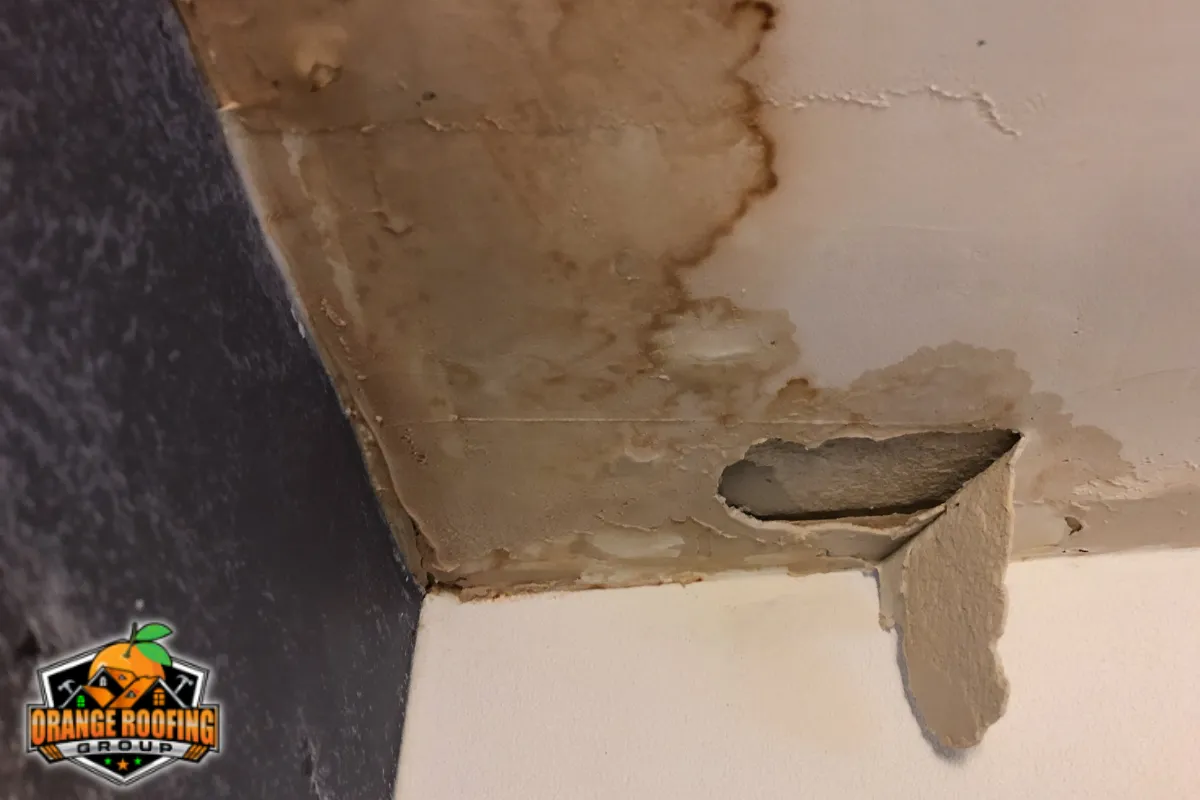
Understanding why leaks happen helps you spot trouble before water is running down your ceiling. Staten Island sits in a coastal zone exposed to nor’easters, salt spray, freeze-thaw cycles, and increasingly intense rain events, and all of these conditions wear on roofing materials faster than in sheltered inland areas.
Here are the most common reasons attic leaks develop in the borough:
Aging asphalt shingles are a leading culprit. Many homes on Staten Island still have roofs installed in the early 2000s, and standard asphalt shingles carry a typical lifespan of 20 to 25 years. UV exposure, salt air, and wind uplift weaken granule adhesion over time. Old roofing materials increase the risk of leaks significantly once they pass that window. Damaged shingles with curling edges or missing tabs create direct entry points for water.
Cracked flashing is a common cause of roof leaks, particularly around chimneys, skylights, and plumbing vents. Thermal expansion and coastal salt air exposure can accelerate metal corrosion on roofs, opening gaps where step flashing meets masonry or where vent boots sit on the roof deck.
Clogged gutters can contribute to roof leaks in a less obvious way. When leaves and debris block drainage, water backs up under the lower shingle courses. In winter, that standing water freezes into ice dams at the eaves, forcing meltwater underneath the underlayment and into the attic.
Storm damage can cause significant roof leaks in a single event. Sustained winds above 45 miles per hour, common during coastal storms, lift shingle edges and drive rain beneath them. Staten Island experiences heavy rain and strong winds regularly during the fall and winter months, which directly affects roofing durability across the borough.
Condensation is another factor many homeowners overlook. Attic leaks are sometimes caused by condensation rather than roof damage, especially in poorly ventilated attics where warm air from the living space meets the cold underside of the roof deck.
One critical detail: water ingress in attics often travels along rafters before dripping down. A stain on your bedroom ceiling might be several feet away from the actual leak source on the roof. That is why locating the source of the leak may require inspecting the attic during or after rainfall, when you can trace water trails back to their origin. Peeling paint or bubbling drywall on interior surfaces can also mean roof damage, even when no active drip is visible. A mold smell in the house indicates potential roof leaks that have been silently saturating materials behind your walls or above your ceiling.
Emergency Steps: How to Control an Attic Leak From the Inside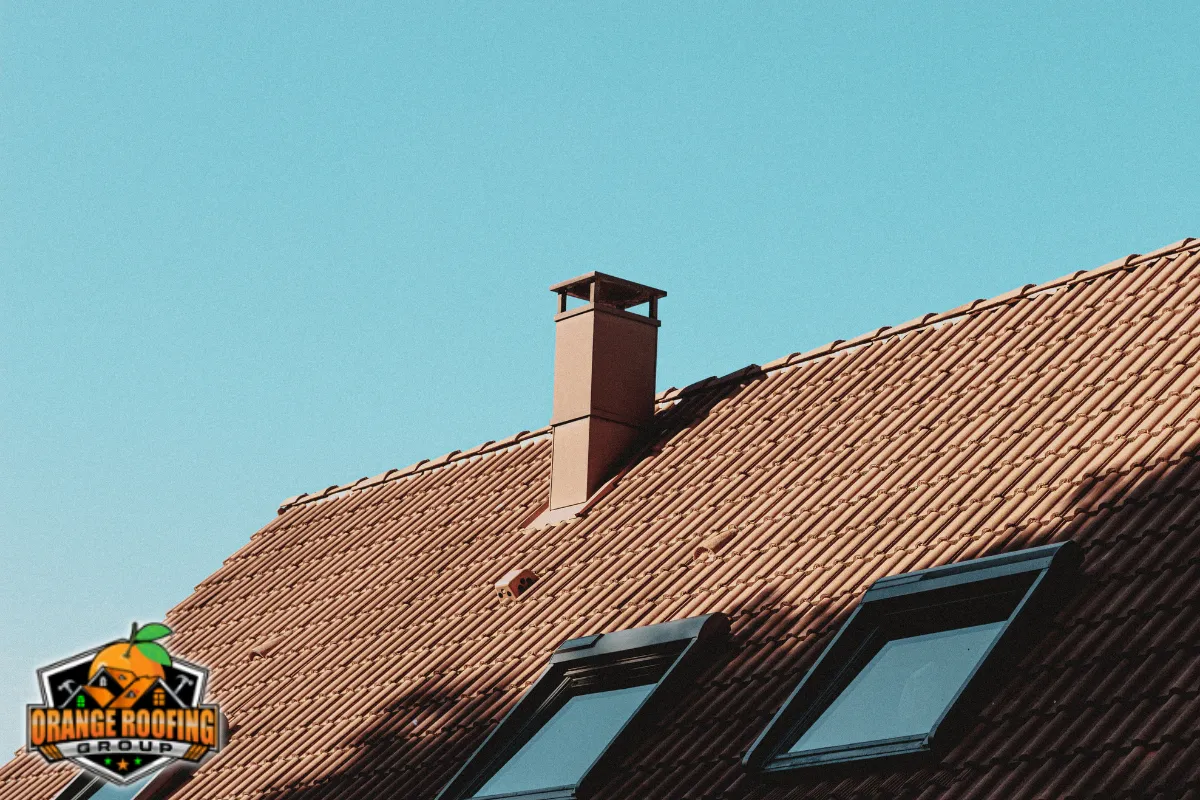
When water is actively entering your home, you need to act fast, but you also need to stay safe. A wet attic is a hazardous environment. Immediate safety measures include turning off electricity to the attic at your breaker panel to eliminate the risk of shock around exposed wiring. Wear shoes with grip, and never step on drywall between joists; it will not hold your weight.
Protect Your Living Space First
Before heading into the attic, handle what is happening below. Move furniture, electronics, and valuables away from the drip zone. Cover floors and remaining items with plastic sheeting or drop cloths. Use buckets to catch water from leaks at every active drip point.
If you notice a bulge forming in your ceiling, that section of drywall is holding a pool of water above it. Puncture ceiling bulges to prevent collapse by carefully poking a small hole at the lowest point of the bulge and letting the water drain into a positioned bucket. This controlled release prevents a sudden, dangerous ceiling collapse that can damage everything below.
Attic Access and Leak Location
Once the living space is protected, access the attic with a stable ladder, a flashlight or headlamp, and towels. Step only on joists or solid structural members.
Follow these steps in order:
- Locate wet insulation and dark water stains on the underside of the roof deck or along rafters. These water trails will help you quickly locate the general leak area.
- Pull back soaked insulation carefully. Saturated fiberglass or cellulose insulation loses its effectiveness and traps moisture against wood framing.
- Mark the suspected entry point on the underside of the roof deck with a piece of chalk, a nail pushed through, or a small wire. This marker will help your roofing contractor find the exact spot from the exterior.
- Dry wet areas to prevent mold growth. Use old towels to soak up standing water, and position a fan to circulate air across damp wood. Drying out damp wooden structures prevents mold growth after a leak, since mold colonization can begin within 24 to 72 hours of sustained moisture.
- Create a plastic or tarp chute to direct water flow. Staple heavy-duty plastic sheeting or a tarp to the rafters above the leak, angling it so water runs into a bucket or container rather than spreading across the attic floor.
These actions are emergency leak repair measures. They protect your home from additional water damage while you wait for conditions to improve or for a professional roof repair crew to arrive.
Read How to Repair a Leaking Chimney or Vent Pipe: Staten Island Roof Repair Guide
Temporary Attic Fixes vs. Professional Roof Leak Repair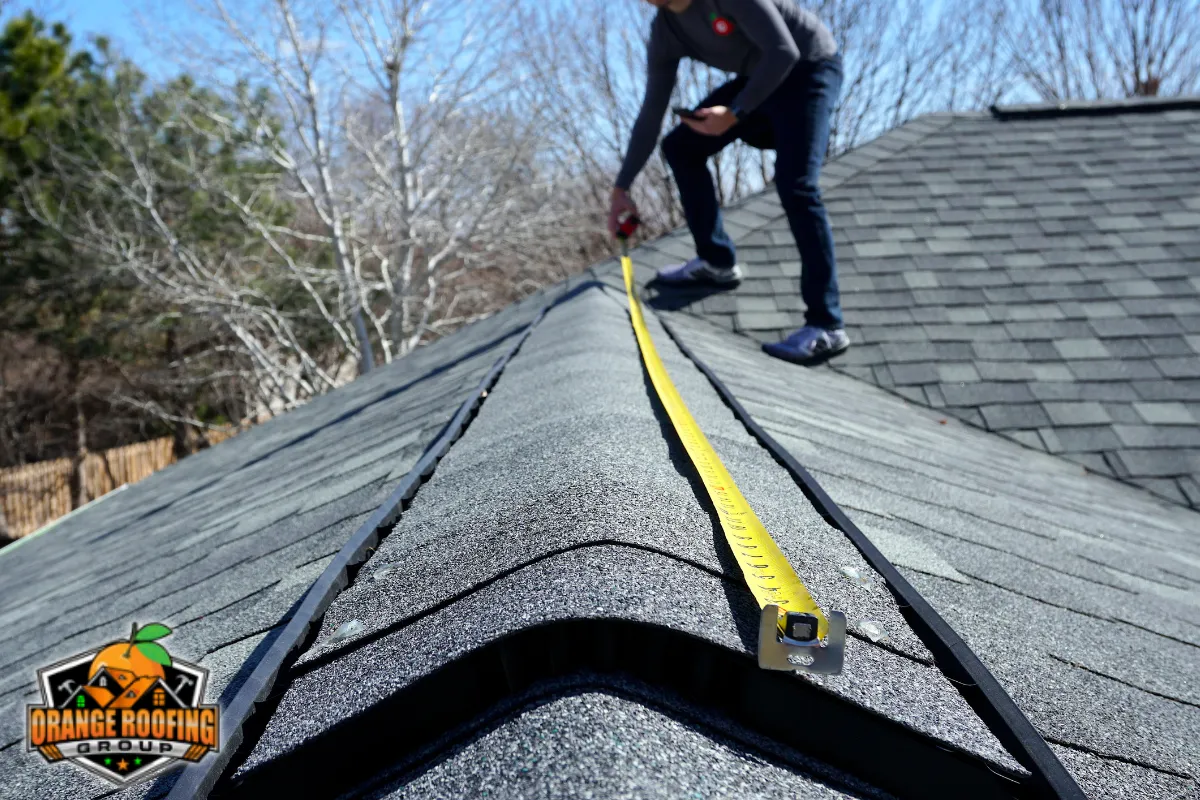
Once you have contained the active drip, you might consider applying a more durable temporary patch from inside the attic. This can work for minor issues, but it is important to understand the limits.
Common interior stop-gap materials include roofing tape, mastic, silicone or polyurethane caulk, and heavy-duty plastic sheeting stapled to rafters. To apply roofing tape or sealant over leaks, clean and dry the area on the underside of the roof deck around the nail hole or minor crack as thoroughly as possible. Apply the sealant extending at least two to three inches beyond the visibly wet area in every direction. Press roofing tape firmly to ensure full contact with the wood surface. Spray foam can fill small gaps but should not be relied on as a waterproofing measure.
These patches have real limitations. They do not replace missing shingles sitting on the exterior surface. They cannot fix cracked flashing around your chimney or skylight. They will not address failed flat roofing seams on a low-slope addition or row home roof. Wind-driven rain, freeze-thaw cycles, and UV exposure will continue to degrade the exterior roofing system regardless of what you do from below. Temporary fixes do not replace professional repairs.
A professional roofing contractor will approach the problem from the outside, which is where the actual damage exists. That process includes a thorough exterior roof inspection, shingle or membrane replacement where needed, new flashing installation or resealing of existing flashing, sealing around all penetrations including vents and skylights, and checking gutters and downspouts for blockages contributing to the problem.
The average cost to repair a roof sits around $300 for minor fixes, though roof repair costs depend on several factors including roof pitch, materials, number of penetrations, and the extent of the damage. Many roofing companies on Staten Island provide a free estimate for roof leak diagnosis, which gives homeowners a clear picture of what is needed before committing.
Properly documenting attic damage with photos is essential for insurance purposes. Take pictures of water stains, wet insulation, and any visible damage to the roof deck before and after your temporary patch. This documentation supports any future insurance claim and gives your roofing contractor a record of conditions at the time of the leak.
Professional help is advised if structural damage or mold is present after a leak. If you see rot in rafters, dark mold colonies on wood surfaces, or notice a persistent musty smell, a temporary solution from the inside is not enough. Those conditions require professional roof leak repair combined with remediation work.
Use your interior attic fix to buy time until local roofers can safely get on the roof, especially during active storms or at night when exterior work is not possible. That is just that: a bridge to the real repair, not a substitute.
How Staten Island Roofers Permanently Fix Attic Leaks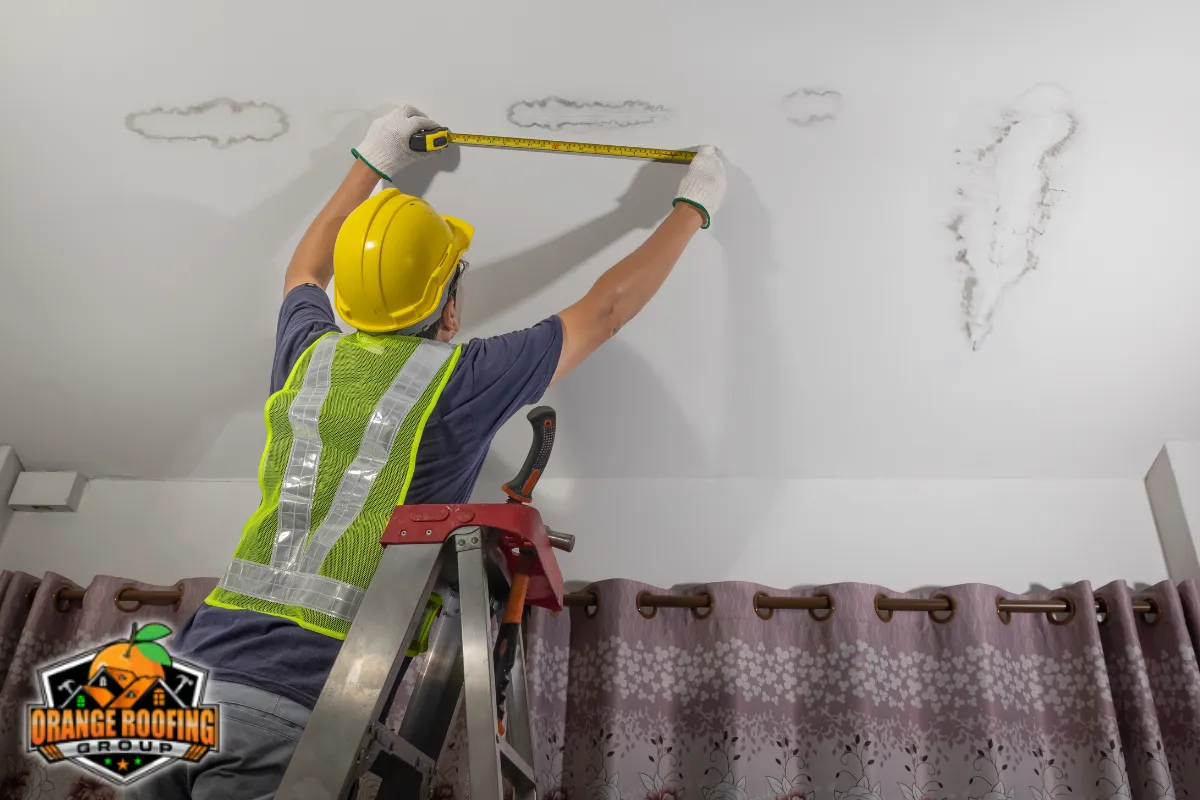
When a roofing contractor arrives for a professional roof repair, the process is methodical and covers both sides of the roof system. Here is what a typical reliable service call looks like:
- Interior attic inspection to identify moisture, mold, compromised sheathing, and the suspected leak source marked during your emergency response.
- Exterior roof inspection to assess shingles, flashing, gutters, valleys, and membrane condition on flat roofing sections.
- Written roof repair plan and cost estimate detailing the scope of work, materials to be used, timeline, and warranty terms.
- Repair day work including replacing damaged shingles, installing new flashing or resealing chimney and skylight flashing, swapping out cracked vent boots, and patching or re-welding flat roofing membranes.
- Cleanup and final check to verify the repair holds, confirm no residual moisture remains in the attic, and test drainage at gutters and downspouts.
Specific permanent fixes vary by roof type. On pitched roofs common to Staten Island colonials and capes, roofers will replace sections of compromised underlayment beneath new shingles. On flat roofing found on row homes and additions, contractors may apply new membrane sections or re-weld seams to restore waterproof integrity.
Code and safety considerations matter in NY. The NYC Building Code requires roof coverings and flashing to be installed per manufacturer specifications, with flashing meeting minimum thickness standards such as No. 26 galvanized steel for metal applications. Permits are required by the NYC Department of Buildings for significant roofing repairs, particularly when work involves structural elements or full reroofing. All roofing contractors working in Staten Island must carry workers compensation and general liability insurance, and their contracts must include insurer details and policy limits under New York State law.
Good roofing service goes beyond patching the visible problem. Experienced roofing contractors will also evaluate your attic ventilation to reduce ice dam risk at the eaves, check insulation levels to prevent heat loss through the roof, and assess whether your snow and rain management systems are adequate for coastal conditions.
Warranties protect your investment. Reputable roofing companies stand behind their work with labor warranties typically ranging from one to five years, while material manufacturer warranties on shingles and membranes can extend 20 to 30 years. This level of accountability is something no interior patch can offer.
Timelines depend on complexity. Minor roof repairs like flashing replacement or a few shingles may be completed in a single visit. More complex leak repair or partial replacement work may span one to two days depending on weather and roof size.
Preventing the Next Attic Leak in Your Staten Island Home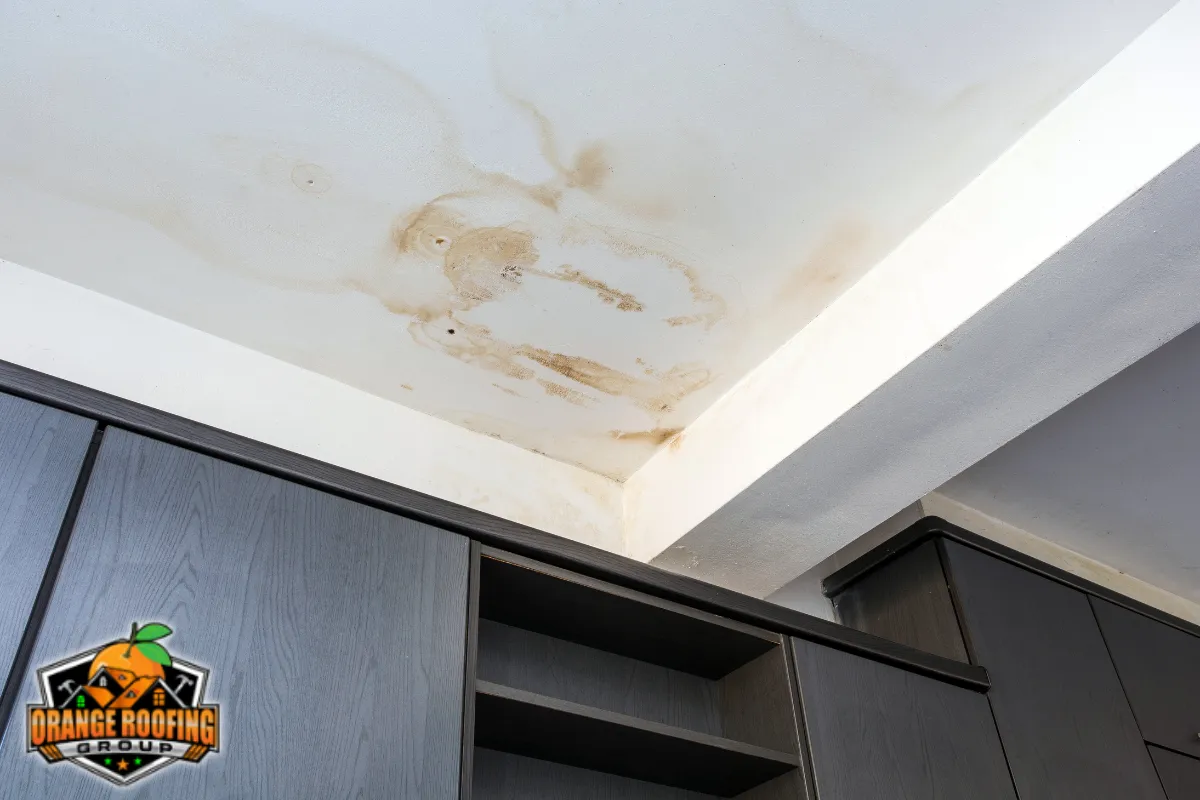
The most cost-effective approach to roof leaks is stopping them before they start. Professional roof inspections are recommended at least once a year, and homeowners in coastal areas like Staten Island benefit from a second inspection in the fall before storm season intensifies. Roof inspections are crucial after coastal storms to prevent small leaks from worsening into major failures. Repeated leaks after storms signal the need for professional inspection even if each individual leak seems minor.
Practical maintenance tasks that protect your roof include:
- Keep gutters and downspouts clear of leaves, debris, and ice buildup. Clean them at least quarterly.
- Trim overhanging branches that drop debris onto the roof or risk wind-driven impact damage.
- Inspect your attic for new stains after every heavy rain event or coastal storm. Catching small issues early prevents expensive repairs later.
- Monitor flat roofing sections for standing water. Ponding that persists more than 48 hours after rain indicates a drainage problem.
- Check visible flashing, vent boots, and sealant around skylights and chimneys from the ground or with binoculars twice a year, looking for signs of wear or separation.
For shingle roofs older than 15 to 20 years, consider whether continued spot repairs make financial sense. Multiple repairs may escalate to a roof replacement, depending on damage severity. At some point, partial or full roof replacement becomes the smarter investment compared to chasing recurring leaks across a deteriorating surface.
Keep records of every roof repair: dates, who performed the work, materials used, product types, and warranty details. These records streamline future roof repair decisions, support insurance claims, and add value during real estate transactions. Working with the same trusted roofing company over time helps ensure consistent materials, workmanship, and a better understanding of your home’s leak history.
One final reminder: interior attic patches should never be treated as a permanent solution. Every temporary fix you apply from the inside is a countdown timer. The exterior problem remains, and delaying professional roof leak repair only increases the overall cost of bringing your roof back to reliable condition.
Staten Island Roof Repair – Orange Roofing Group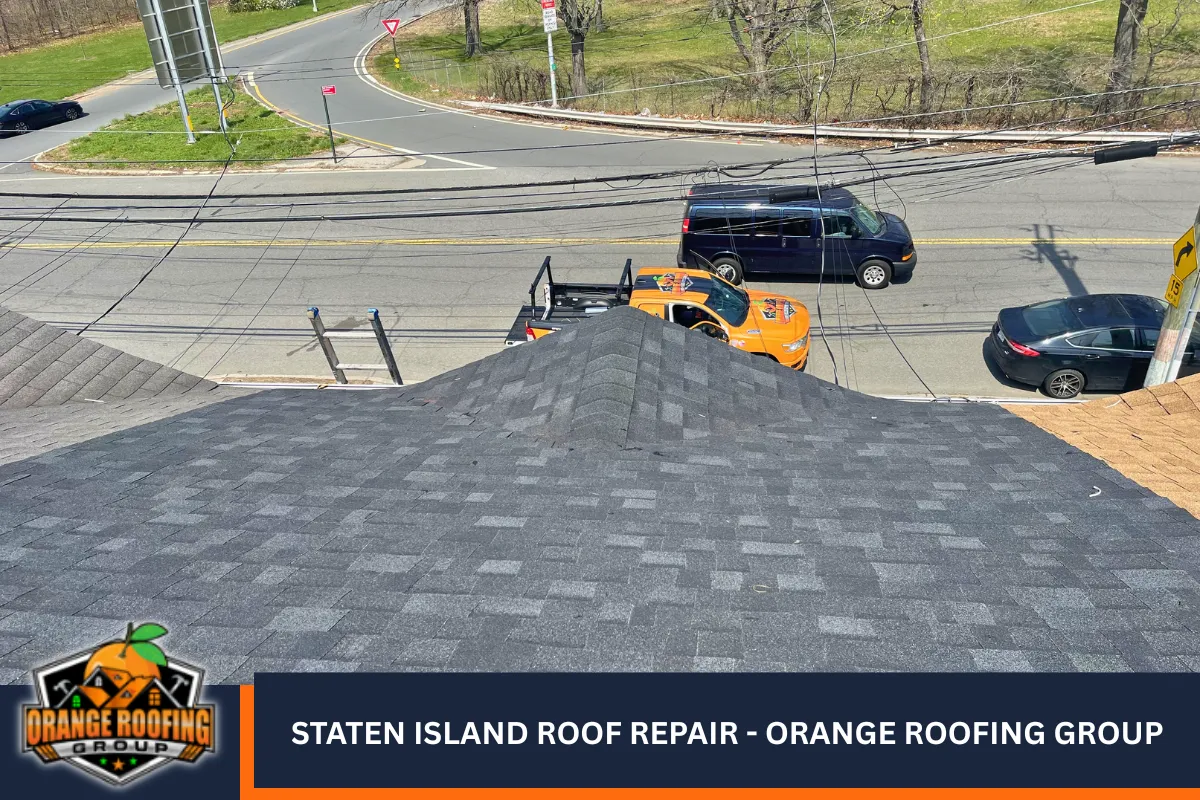
At Orange Roofing Group, we specialize in fast, reliable roof repair for Staten Island homeowners dealing with attic leaks, storm damage, and aging roofs. Our roofing contractors are experienced with both pitched shingle roofs and flat roofing common across the borough, and we focus on delivering a permanent solution rather than just a quick patch.
Whether you need emergency leak repair during a storm or a full roof inspection to catch problems before they grow, we are here to help. We offer a free estimate on all roof repairs, from minor flashing work to full roof replacement.
Call us at (347) 875-2361, fill out our contact form, or visit us in Staten Island, New York. Orange Roofing Group is the roofing company homeowners trust for long-term results, expert services, and the kind of reliable service that protects your home through every season. Let us show you why we aim to be the best roofing company in the borough.
Frequently Asked Questions
Can Interior Attic Repairs Void My Roof Warranty?
They can, depending on the terms of your existing warranty. Many shingle and membrane manufacturers specify that repairs must be performed by certified or authorized roofing contractors using approved materials. Applying sealant, foam, or roofing cement to the underside of the roof deck from inside the attic could be viewed as an unauthorized modification if it affects the roofing system’s performance or traps moisture between layers. Before applying any interior patch beyond basic water containment, review your warranty documentation or call your roofing contractor to confirm what is and is not covered. In Staten Island, where salt air and freeze-thaw conditions already stress materials, preserving warranty coverage is especially important for long-term cost protection.
Is It Safe to Walk in My Attic When the Roof Is Leaking?
Walking in a wet attic carries genuine risk. Water on framing members makes surfaces slippery, and saturated drywall between joists will not support your weight. If you step off a joist onto drywall, you risk falling through the ceiling into the room below. Before entering, shut off power to the attic circuit at your breaker panel to eliminate shock hazards from any exposed wiring or junction boxes. Wear shoes with non-slip soles, bring a bright flashlight, and always keep one hand on a rafter or truss for balance. If the leak is severe and the attic floor is extensively wet, it may be safer to contain water from the room below and wait for a roofing contractor to handle the situation from the exterior.
How Do Staten Island Winters Affect the Timing of Roof Repairs?
Winter creates scheduling and safety challenges for repairing roofs in Staten Island and across NY. Asphalt shingles require ambient temperatures above roughly 40 degrees Fahrenheit for sealant strips to bond properly, and roofing cement and caulk perform poorly in freezing conditions. Snow and ice on the roof surface make exterior work hazardous even for experienced roofers with fall protection equipment. That said, emergency roof repairs can still be performed in winter when conditions allow, and many roofing companies in the area maintain crews ready for urgent storm damage response year-round. If your leak occurs during a cold snap, interior containment measures become even more critical to protect your home until a safe exterior repair window opens.
Will My Homeowners Insurance Cover a Roof Leak?
Homeowners insurance policies typically cover sudden and accidental roof leaks caused by events like storm damage, fallen trees, or wind-driven rain. However, most policies exclude damage resulting from long-term neglect, deferred maintenance, or normal wear and tear. If your roof has been showing signs of deterioration for years and you have not addressed it, your insurer may deny the claim. The distinction between replacement cost and actual cash value in your policy also affects how much you receive. Document everything with photos, keep receipts from any temporary materials you purchase, and file your insurance claim promptly. A professional roof inspection report from a licensed roofing contractor strengthens your case and provides the detail insurers need to process claims efficiently.
How Long Can I Rely on a Temporary Attic Patch?
A well-applied interior patch using roofing tape or sealant on a small nail hole or minor crack might hold through a few rain events, but it should never be treated as a long-term fix. The patch sits on the interior side of the roof deck, which means the exterior breach remains open to wind, rain, snow, and UV degradation. Each subsequent storm weakens the surrounding materials further and can widen the original entry point. In Staten Island’s coastal climate, where storms frequently bring wind-driven rain and temperature swings, even a solid temporary patch may fail within weeks. The safest approach is to schedule professional roof leak repair within days of the initial event, not weeks or months. Waiting extends the damage and drives up the eventual cost of a proper repair.
Disclaimer: This article provides general educational information about roof leaks and attic repairs in Staten Island, New York. It is not a substitute for individualized legal, structural, or safety advice. Always consult local building codes and a licensed roofing contractor before attempting any roof repair work on your property.