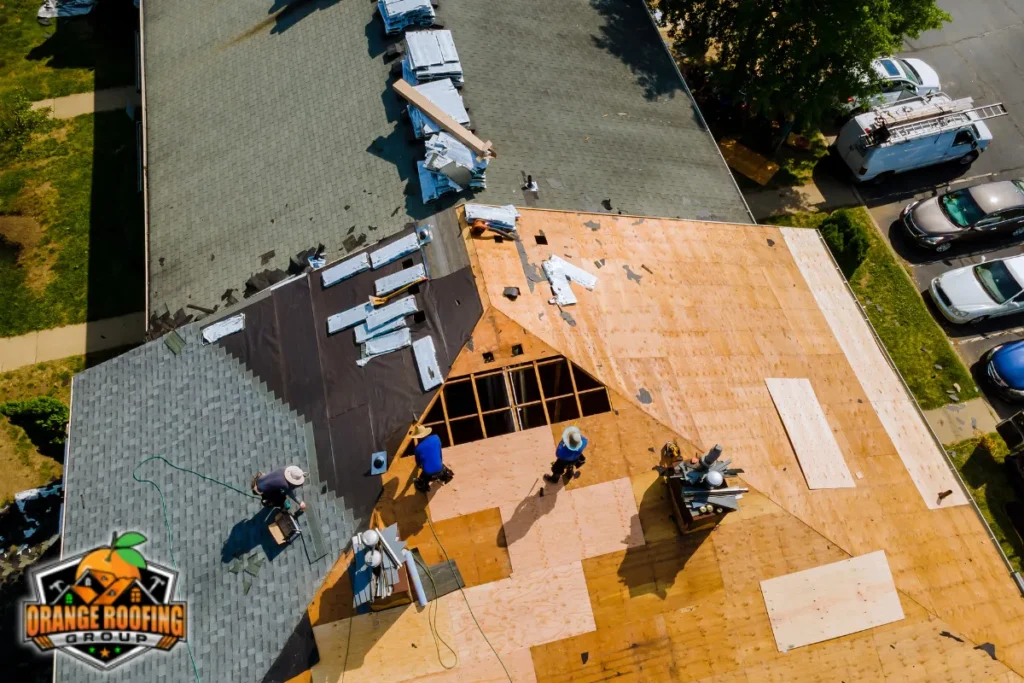
Replace a roof on Staten Island at the wrong time, and you may face weather delays, higher replacement cost, or materials that do not perform as intended. The short answer: September and October are usually best, with March through May as a strong alternative. Staten Island’s New York climate brings humid summers, cold temperatures in winter, heavy rain, high winds, and freeze-thaw cycles that all affect roof replacement. Timing matters because it influences installation quality, roofer safety, roof replacement cost, and the average lifespan of a new roof. A reliable roofing contractor or roofing company can help you schedule around local weather, permits, and materials so the project is done right.
Key Takeaways
- The best time of year to replace a roof on Staten Island is usually September and October, with early fall offering mild temperatures, lower humidity, and time to finish before winter weather.
- Spring is the second-best season for roof replacement, especially late spring, when working conditions are comfortable and contractor lead times may be shorter.
- Roof replacements are possible year-round but ideal in spring and fall; severe leaks, storm damage, missing shingles, or structural issues should be handled immediately.
- NYC Department of Buildings rules, roof replacement cost, roof size, material choice, and contractor availability can all affect the project timeline.
- A local roofing contractor can inspect your old roof, explain NYC DOB requirements, and help homeowners make an informed decision about the safest and most cost-effective schedule.
Why Timing Matters for Roof Replacement in Staten Island’s Climate
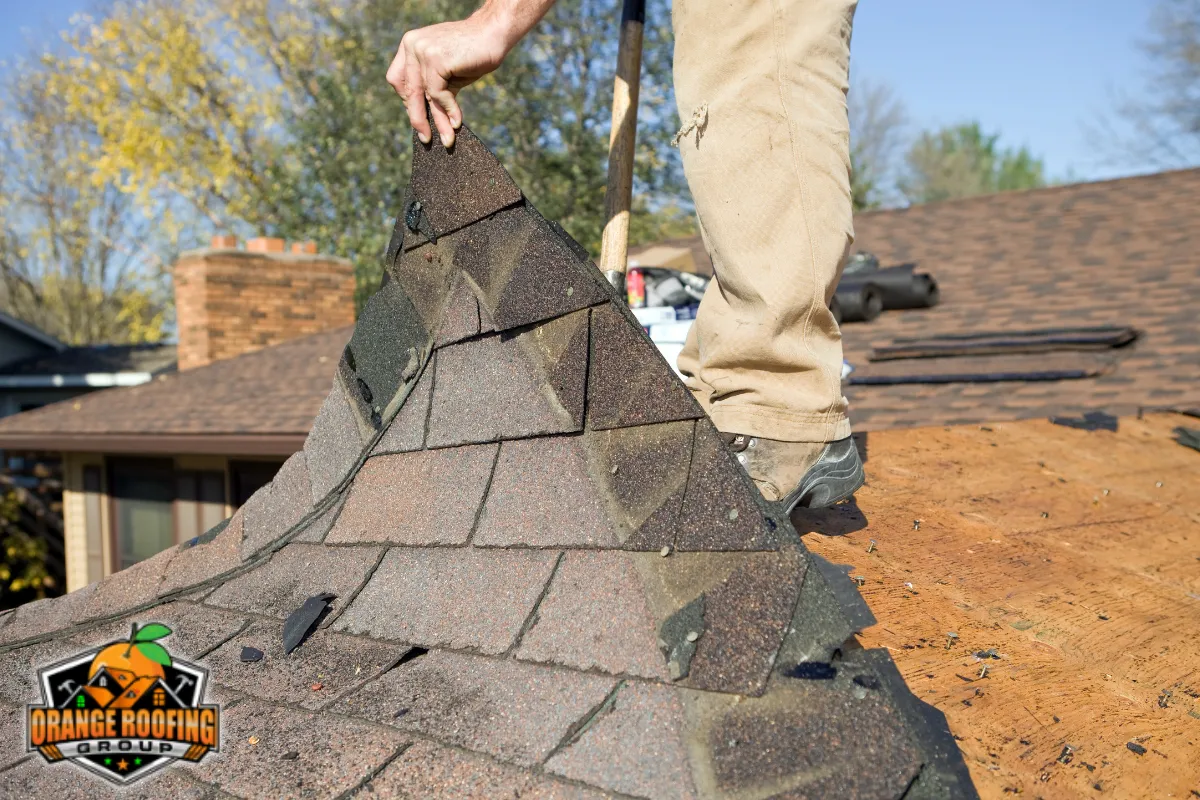
Staten Island shares NYC’s coastal climate: hot humid summers, windy nor’easters, salty air, and winter freeze-thaw conditions. That mix is hard on nyc roofs, which often need replacement sooner than national averages because moisture, wind, and salt can accelerate deterioration.
Temperature plays a significant role. Asphalt shingles require temperatures above 40°F for adhesive strips to bond, and temperatures between 40°F and 85°F are ideal for asphalt shingles. Many roofing professionals also consider temperatures between 45°F and 85°F ideal for asphalt shingle adhesion. Summer temperatures over 85°F make asphalt shingles prone to damage during installation, while freezing weather can make shingles brittle.
Flat roofs also need careful timing. Modified bitumen, EPDM, and TPO systems depend on dry surfaces, proper seam work, and compatible installation temperatures. High winds and sudden coastal storms can interrupt roofing service, extend timelines, and raise risk if the roof deck is exposed. A roof installed in mild temperatures generally has fewer early roof problems and better energy efficiency.
Season-by-Season Guide: Best Time of Year to Replace a Roof on Staten Island
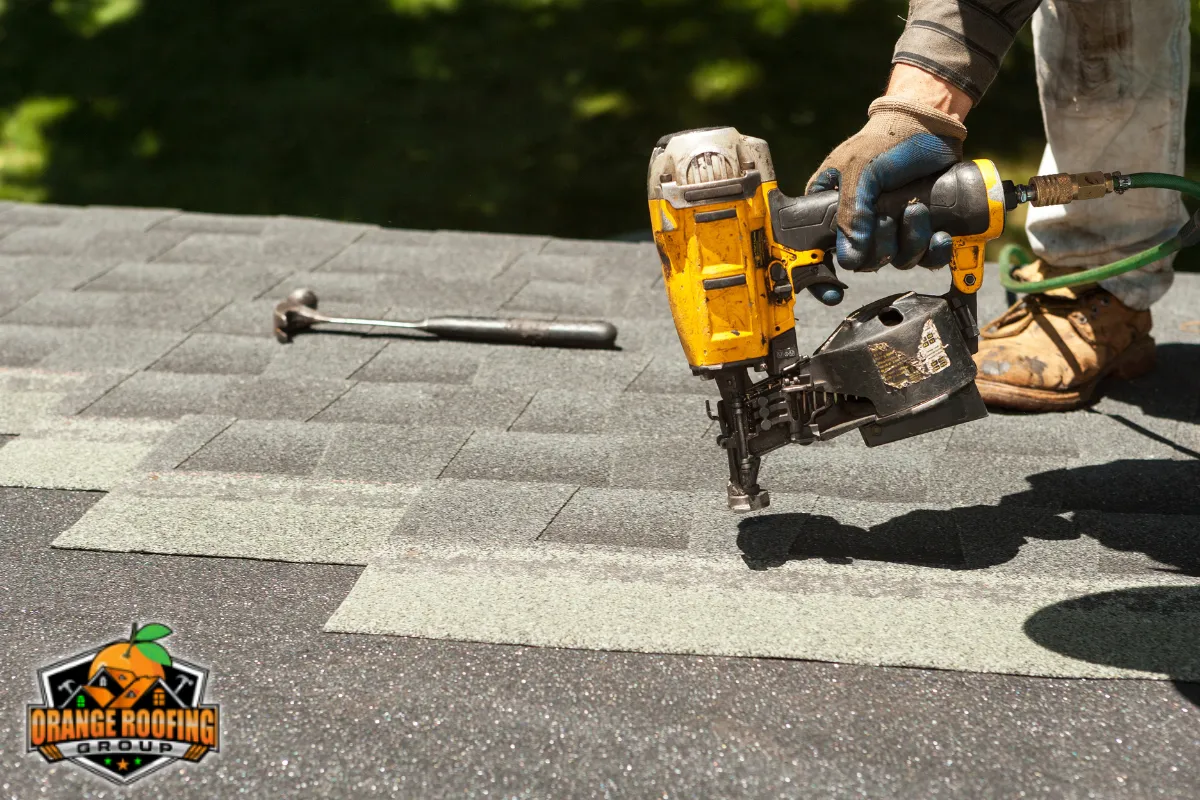
Each season has advantages and drawbacks for replacing roofs locally. The right answer depends on roofing materials, roof condition, contractor availability, and whether you own a single-family home, row houses, or multi family buildings.
The guide below applies to asphalt shingle roofs, shingle roofs, and common Staten Island flat roofs. It also helps NYC homeowners plan several weeks ahead so they can secure the roofing contractors they prefer.
Fall September–November: The Prime Window for Staten Island Roof Projects
Fall is the best season for roof replacement in NYC, and fall is considered the best time for roof replacement in NYC because conditions are usually balanced. The best time to replace a roof in Staten Island is September and October, when daytime temperatures are often comfortable and many projects can be completed before severe winter weather.
Completing roofing projects by October protects homes from winter weather. Lower autumn humidity prevents moisture from being trapped in roof decking, which helps protect the roof deck and reduces the chance of early water intrusion. Fall roofing offers better bargaining power and faster turnaround times than summer in many cases, although September and October can still be a popular season.
Benefits include:
- Better sealing for shingles before winter
- Less extreme heat for roofers
- Reduced risk of heat-related material damage
- More stable working conditions
- Time to fix leaks before snow and ice arrive
Book roofing companies 4–8 weeks ahead for early fall, especially after storms.
Spring March–May: The Second-Best Time to Replace Your Roof
Spring is the second-best season for roof replacement, and spring is the second-best season for roof replacement in NYC. It is ideal for addressing winter damage, ice-related leaks, damaged flashing, and aging materials before summer heat arrives.
Late spring offers comfortable working conditions and shorter lead times for contractors. Moderate temperatures help adhesives on asphalt shingles and flat roofs cure properly after winter. However, spring rain can delay work, especially when roof removal or old roof removal exposes decking.
Spring can also offer slightly better contractor availability than peak fall. If your old roof has warning signs but is not failing immediately, late April through May may be a smart replacement window.
Summer June–August: Longer Days but Heat and Storm Trade-Offs
Many homeowners assume summer is the easiest time to replace your roof. It can work, but roofing projects are more challenging during summer due to high temperatures and humidity. High humidity in summer can lower labor efficiency during roofing projects, and extreme heat can make asphalt shingles soft, sticky, and easier to scuff.
Summer does offer long daylight hours and occasional dry stretches. Still, high demand for roofing in summer may lead to scheduling difficulties for repairs. If you must schedule during summer, early June and late August are usually better than peak July heat. Roofers may start early, pause during the hottest hours, and stage materials carefully to protect quality craftsmanship.
Winter December–February: When Roof Replacement Is Still Possible
Winter is not ideal, but winter replacements can be done when needed. Snow, ice dams, freeze-thaw cycles, and wind can uplift older shingles, worsen leaks, or damage flat roofs. Winter roofing is usually reserved for emergencies due to freezing temperatures.
Cold temperatures can slow adhesive curing, so roofers follow manufacturer guidance, use hand-sealing where appropriate, and work in smaller sections to keep the home watertight. Winter projects may take longer because daylight is shorter and storms interrupt work.
The upside is cost. Winter replacements can be 10-15% cheaper due to lower demand, and winter roof replacements can be 10-15% less expensive due to lower demand. Planned full roof replacement is still better in spring or fall when possible.
Read How to Choose the Best Roofing Company on Staten Island
Other Timing Factors Beyond the Season
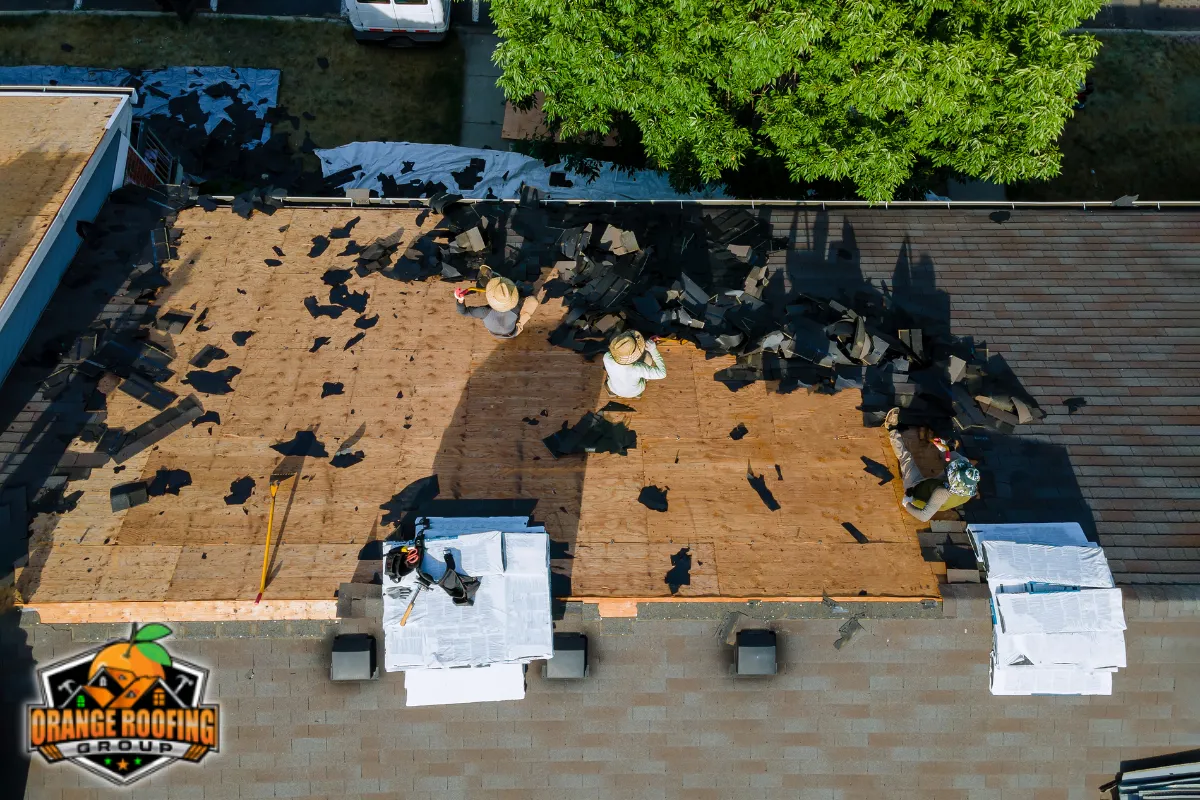
The ideal season is not only about weather. Roof condition, budget, permits, materials, and contractor schedules matter too. Staten Island includes older detached homes, townhouses, row houses, and small multi family buildings, each with different roofing needs.
Roof Condition and Urgency: When You Can’t Wait for the Perfect Season
Some warning signs mean you should not wait. Missing or curling shingles indicate a need for replacement. Missing shingles, curling shingles, damaged shingles, granules in gutters, and water stains are all reasons to schedule a professional inspection.
Granules in gutters suggest roof deterioration. Water stains on ceilings indicate potential roof leaks. A sagging roofline is a serious sign of structural issues. If your roof is over 20 years old, consider replacement, especially if there are recurring leaks or costly repairs.
Small roof repairs may stabilize the home long enough to schedule a full replacement in fall or spring. But ongoing water damage can increase repair costs, damage insulation, and create bigger structural issues.
NYC Permit Requirements and How They Affect Your Roof Timeline
Major roof replacement on Staten Island may involve the NYC Department of Buildings. The nyc department handles permits through DOB NOW, and many full roof replacement projects, structural work, roof deck repairs, or material changes require filings. Very minor repair work may not require the same process, depending on scope.
Some searches phrase this as “nyc require permits,” but the better rule is this: nyc require licensed review for many larger roofing scopes, so confirm before work begins. Experienced roofing contractors often handle paperwork, inspections, and permit posting. Build several weeks of buffer into your schedule, especially for complex buildings or projects involving Local Law 92 and 94 sustainable roof rules.
Budget, Replacement Cost, and Finding Seasonal Value
Timing can affect roof replacement cost because demand changes by season. Roof replacement costs in NYC range from $8,000 to $30,000, depending on roof size, access, materials, permits, and complexity. The replacement cost for a small simple roof is very different from a large flat roof with damaged decking.
Asphalt shingles cost $3 to $5 per square foot. Metal roofing costs between $10 and $25 per square foot, and metal roofs can last 40 to 70 years. Labor costs in NYC are 50–75% higher than the national average, and homeowners typically pay $4,300 to $5,200 for labor alone.
Ask for a free estimate or no obligation estimate from two or three roofing companies. Compare scope, warranties, ventilation, cleanup, and schedule rather than choosing on cost alone.
Best Time by Roof Type: Asphalt Shingles vs. Flat Roofs on Staten Island
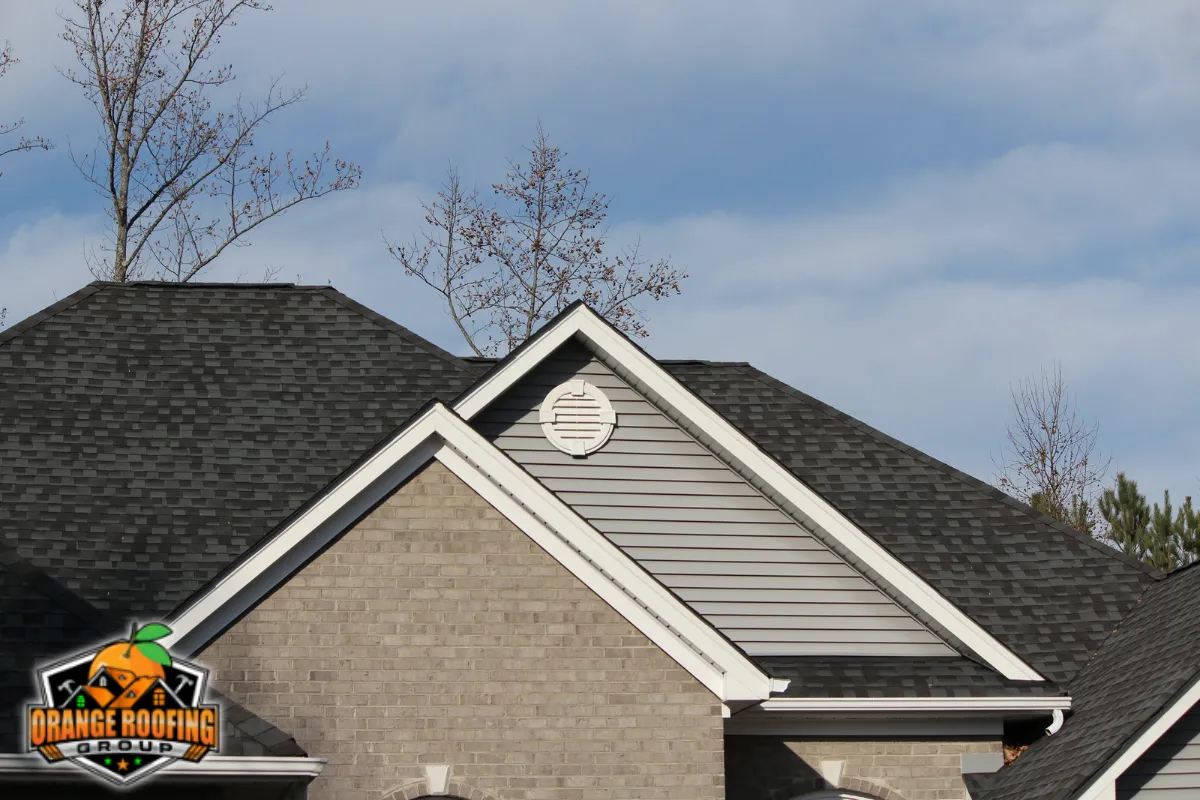
Different roofing materials respond differently to heat, cold, and moisture. That is why a roofer may recommend one window for asphalt shingle roofs and another for flat roofs.
Asphalt Shingle Roofs: Ideal Months for Pitched Roofs
Asphalt shingles are common on Staten Island single-family homes. Asphalt shingles last 20 to 30 years in NYC, although coastal exposure, poor ventilation, and storm damage can shorten that average lifespan.
For asphalt shingle roofs, September through early November and late April through early June are usually best. These windows help shingles bond without the problems caused by extreme heat or cold temperatures. Ask your roofing contractor about the manufacturer’s warranty conditions, proper ventilation, underlayment, and whether roof removal is better than installing over an old roof.
Flat Roofs and Modified Bitumen: Timing for Row Houses and Multifamily Buildings
Flat roofs are common on row houses, smaller apartment buildings, mixed-use properties, and commercial structures. Common systems include modified bitumen, EPDM, and TPO. EPDM flat roofs last 20 to 30 years, while TPO flat roofs last 15 to 25 years.
Spring and fall are preferred because surfaces are more likely to be dry and temperatures are moderate. Adhesive-based systems and torch-applied modified bitumen can be sensitive to damp surfaces and cold weather. Slate roofs can exceed 100 years with proper maintenance, but even durable systems still need routine maintenance and inspections.
Planning Your Staten Island Roof Replacement Timeline
Once you know the target season, plan the project timeline. Most roofs require inspection, estimate, material selection, permit review when needed, scheduling, installation, cleanup, and final walkthrough.
How Far in Advance to Book a Staten Island Roofer
Contact roofing contractors 1–2 months ahead for spring or summer and 2–3 months ahead for peak fall. Reputable roofers book quickly during mild temperatures and after major storms. Off-season work may offer faster scheduling, but weather risk increases.
Ask for a written schedule with rain and high winds contingencies. Do not wait until leaks become severe; emergency timing often limits your choices.
Typical Duration of Roof Replacement Jobs on Staten Island
A standard residential new roof often takes 1–3 working days on site, depending on access, roof size, slope, and complexity. Larger buildings, flat roofs, or projects with structural issues can take longer.
Most roofing companies stage the work in phases: tear-off, weatherproofing, installation, flashing, ventilation, and cleanup. Discuss noise, parking, debris containers, daily start times, and how the crew will protect landscaping and neighboring property.
Seasonal Maintenance Tips to Maximize Roof Life Between Replacements
Good maintenance lets homeowners choose better timing instead of reacting to emergencies. Inspect your roof in spring and fall. Look for missing shingles, damaged flashing, ponding water, clogged drains, loose gutters, and interior water stains.
After storms with high winds or heavy rain, schedule a professional inspection. Routine maintenance can fix leaks early, reduce repair costs, and delay a full replacement. It also supports energy efficiency by helping ventilation, insulation, and roof surfaces work as intended.
Choosing the Right Season for a Stronger Roof
The best time of year to replace a roof on Staten Island is usually early fall, especially September and October. Spring is close behind. Summer and winter can work, but they require more planning around heat, humidity, cold temperatures, and contractor availability.
If your roof is aging, leaking, or showing warning signs, do not wait for the calendar to be perfect. A local roofing professional can inspect the roof, explain options, and help you schedule the project before small problems become costly repairs.
Staten Island Roof Replacement Service – Orange Roofing Group
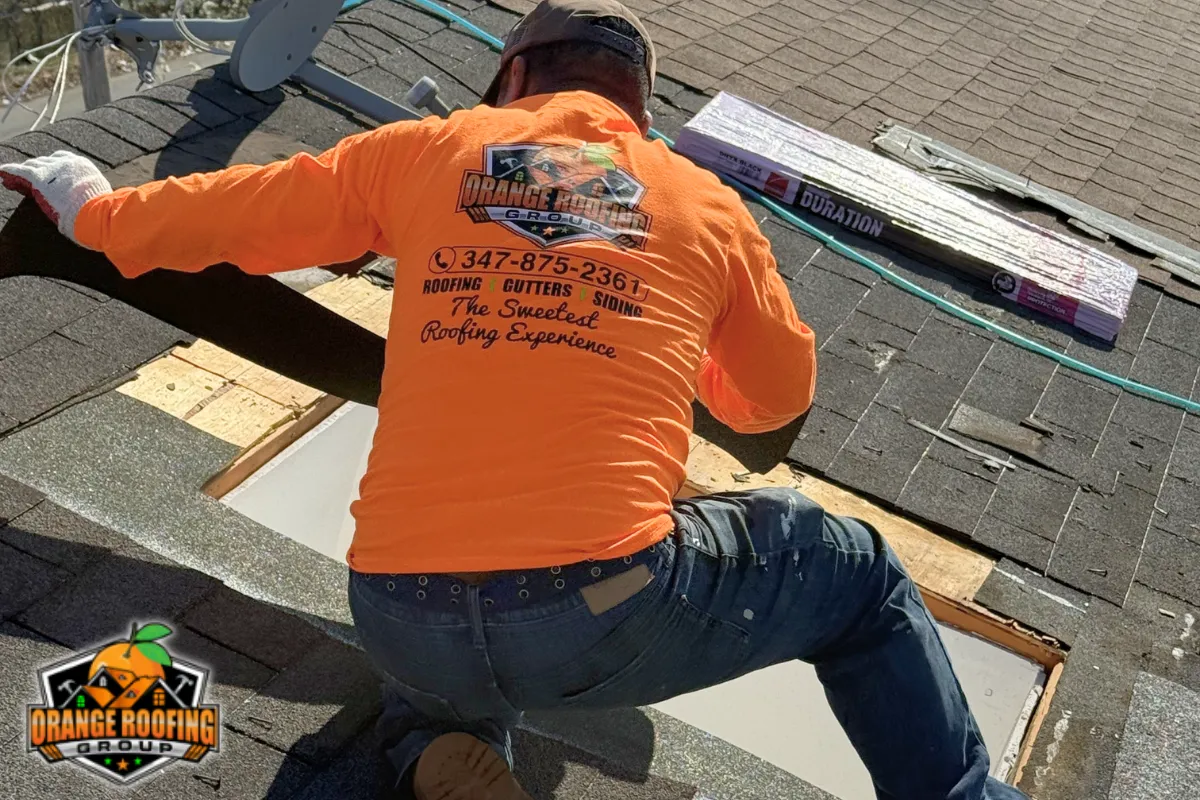
At Orange Roofing Group, we help Staten Island homeowners choose the right time to replace a roof with confidence. We understand local NYC weather, coastal storms, DOB rules, asphalt shingles, flat roofs, and the planning details that affect every roof replacement. Our roofing contractors can inspect your property, explain your options, help with permits when required, and manage the project from preparation through cleanup. Whether you need a new roof, urgent roof repairs, or guidance on roofing materials, we focus on safety, clear communication, and quality craftsmanship. Call Orange Roofing Group in Staten Island, New York at (347) 875-2361, fill out our contact form, or visit our studio to schedule a free estimate.
Frequently Asked Questions
How noisy is roof replacement, and is there a better season if I work from home?
Roof replacement is noisy in every season because crews remove old materials, install underlayment, fasten shingles, move equipment, and load debris. The loudest period is usually during tear-off and old roof removal. Spring and fall may feel slightly easier because windows are often closed or only partly open, but the sound level is still noticeable. If you work from home, plan important calls away from the house during the first day or two. Ask your roofing company for expected work hours, daily milestones, and local noise compliance so you can arrange childcare, pet care, or remote work.
Do HOAs or co-op boards on Staten Island limit what time of year I can replace my roof?
Some homeowner associations, condos, and co-op boards have rules that affect schedule, materials, exterior appearance, contractor insurance, debris containers, and work hours. These rules can matter more on shared roofs, flat roofs, attached row houses, and multi family buildings. Review bylaws before signing a contract, and request written approval for the project month, roofing materials, color, access plan, and any equipment placement. Your roofer should provide insurance documents and a written scope. Getting approval early helps avoid fines, neighbor disputes, or last-minute delays that could push your project out of the ideal season.
Can timing my roof replacement improve my home’s energy efficiency?
Timing alone does not create energy efficiency, but it helps upgrades perform properly. Installing reflective shingles, cool-roof coatings, or improved ventilation before summer can help reduce heat gain during Staten Island heat waves. Scheduling attic insulation, skylight work, or proper ventilation upgrades during spring or fall is often easier because temperatures are milder and crews can work more efficiently. A properly sealed new roof before winter may reduce drafts and moisture problems. Ask roofing professionals which materials, ventilation improvements, and installation season best match your home’s structure, comfort goals, and budget.
Is it smart to replace my roof right after buying a Staten Island home?
It can be smart if the inspection report shows an old roof near the end of its service life, active leaks, damaged shingles, or signs of water intrusion. New buyers should request roof age, warranty details, repair history, and any known permits during the purchase process. If replacement is likely, negotiate credits when possible and schedule work for fall or spring. After moving in, get an independent roofing inspection rather than relying only on general home inspection notes. Replacing a weak roof early protects interior renovations, electrical systems, insulation, and other home improvement investments.
Can I coordinate roof replacement with other exterior home improvement projects?
Yes. Many homeowners coordinate siding, gutters, skylights, masonry, chimney work, or solar panel installation with roof replacement. In most cases, install the new roof before solar panels or major gutter upgrades so new materials are not removed and reinstalled later. Schedule related projects in the same general season, but avoid having too many contractors competing for space at once. Ask each contractor about sequencing, access, debris disposal, and protection of finished work. Careful planning can reduce disruption, save on labor coordination, and help the full exterior project move more smoothly.
Disclaimer: This article provides general guidance for Staten Island roof timing. It does not replace professional inspections, written estimates, or legal advice about NYC DOB regulations. Verify project-specific requirements with licensed roofing contractors and local authorities, since weather, codes, materials, and costs can change.
Read Do Gutters Cause Roof Leaks? What Staten Island Homeowners Should Know