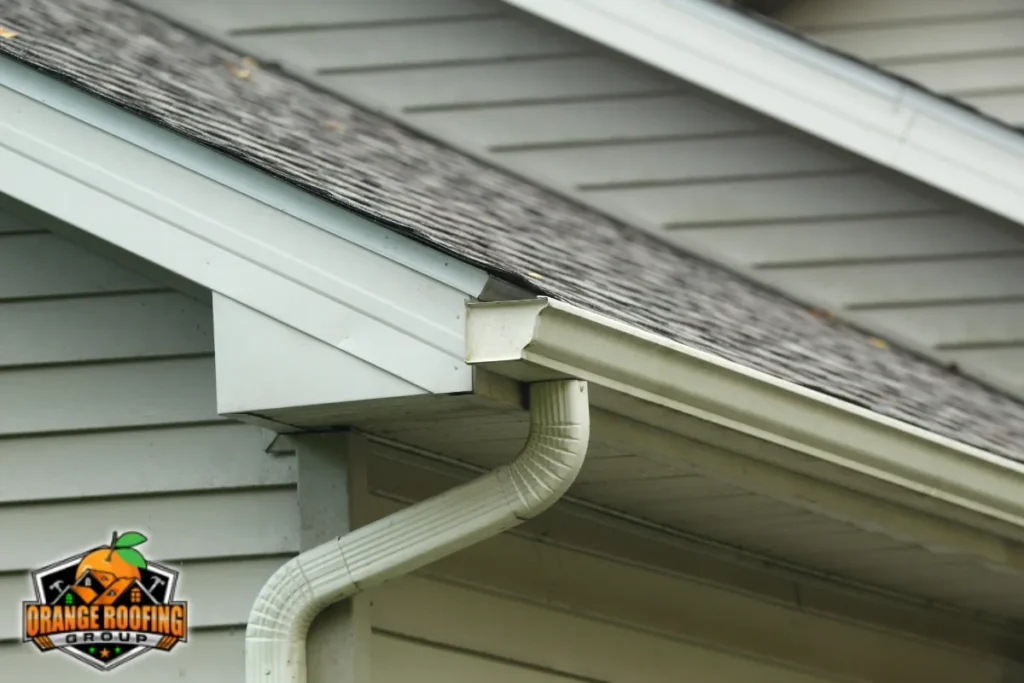
Why Roof Leaks and Gutters Are So Closely Connected
Roof leaks often look like a shingle problem, but the real cause may be hanging right along the roof edge: the gutters. The question “do gutters cause roof leaks what Staten Island homeowners should know” has a clear answer. Gutters do not leak into your house by themselves, but failed gutters can absolutely cause roof leaks when water is pushed where the roof was never designed to hold it.
That is the problem. The bigger issue is what happens next. Water backups occur when clogged gutters force rainwater to overflow, and clogged gutters can force water under shingles, behind siding, into architectural soffits, and around fascia boards. Left alone, neglected gutters can lead to costly structural damage, mold growth, basement leaks, and emergency roofing calls.
The solution is to treat the gutter system as part of the roof, not as a separate accessory. Staten Island experiences intense coastal storms and heavy nor’easters, along with salt air, high winds, humid summers, and Staten Island winters with freeze thaw cycles. According to local climate data, the area receives roughly 49 to 50 inches of precipitation per year, so drainage matters. A roofer who understands Staten Island, NY homes, flat roofs, and local code requirements can spot small gutter problems before they become an emergency roof leak.
Key Takeaways
- Yes, gutters can absolutely cause roof leaks when they are clogged, sagging, undersized, broken, or improperly installed.
- Staten Island weather conditions, including summer downpours, coastal storms, winter storms, and freeze thaw cycles, make gutter-related leaks especially common.
- Clogged gutters are a primary cause of roof leaks because water can overflow, back up under shingles, rot fascia boards, and enter soffits.
- Early roof inspection and timely roof leak repair usually cost far less than fixing mold growth, saturated insulation, structural damage, or interior ceilings.
- Staten Island homeowners should contact a local roofing contractor for a thorough inspection when gutters overflow, pull away, or leaks appear near exterior walls.
How a Gutter System Is Supposed to Protect Your Roof
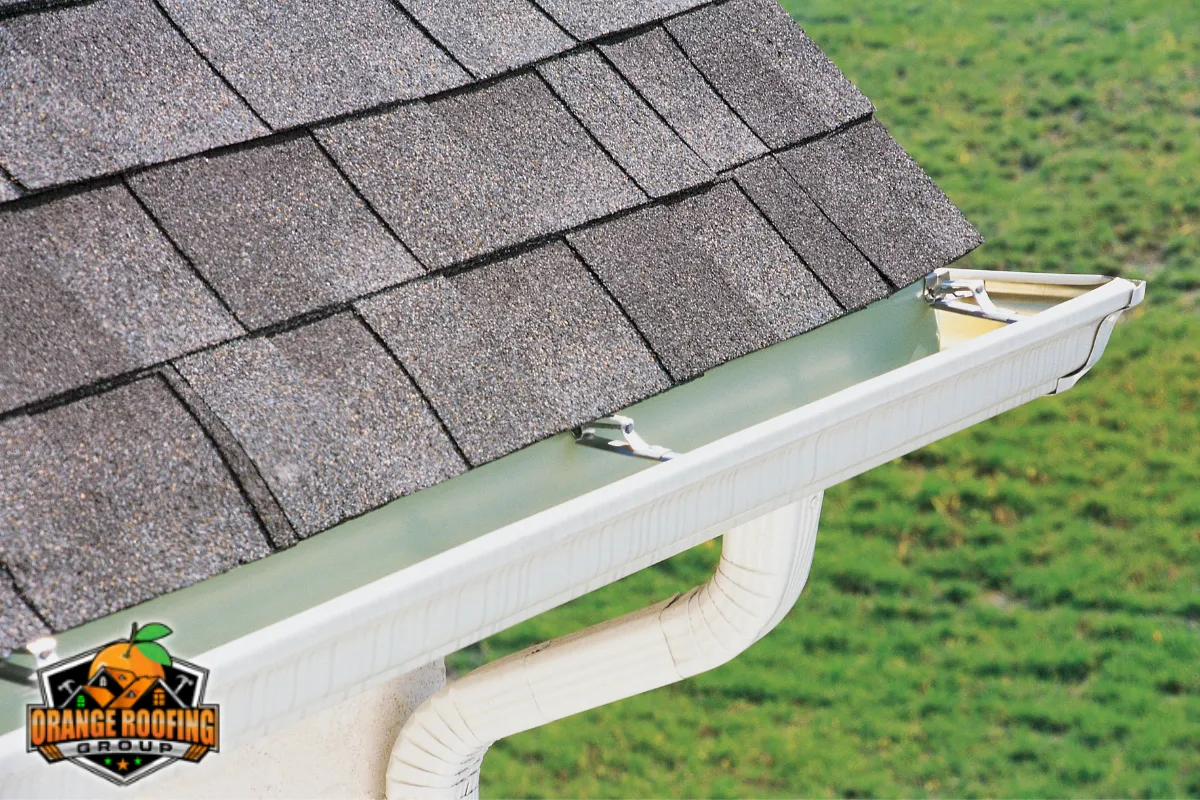
A functional gutter system collects roof runoff and moves it safely away from the building. When everything is sized, pitched, and installed correctly, gutters protect homes from water damage and erosion while reducing the risk of roof leaking and foundation issues.
A healthy drainage setup includes:
- Gutters that collect rainwater from shingles, metal roofing, or roof membranes.
- Downspouts that carry water to grade, drains, splash blocks, or extensions.
- Hangers and brackets that keep gutters tight to fascia boards.
- Drip edge flashing that guides water into the trough instead of behind it.
- Fascia and soffit components that support the eaves and protect the attic edge.
- Proper slope because gutters require a downward slope to direct water to downspouts.
For most residential gutter installation, gutters should slope toward downspouts at 1/4 inch per 10 feet. That small angle is what keeps water moving. Properly maintained gutters prevent flooding in basements, protect the home’s foundation, and reduce soil erosion around the perimeter.
On flat roofs and commercial roofing systems, drainage may involve internal drains, scuppers, overflow outlets, and parapet details rather than standard hanging gutters. NYC roof drainage rules require drainage systems to be sized and discharged safely; homeowners can review general code information through the NYC Department of Buildings. Seamless gutter installation can also help because seamless gutters have fewer joints than sectional systems, reducing places where rust, separation, and leaks begin.
The Most Common Gutter Problems That Lead to Roof Leaks
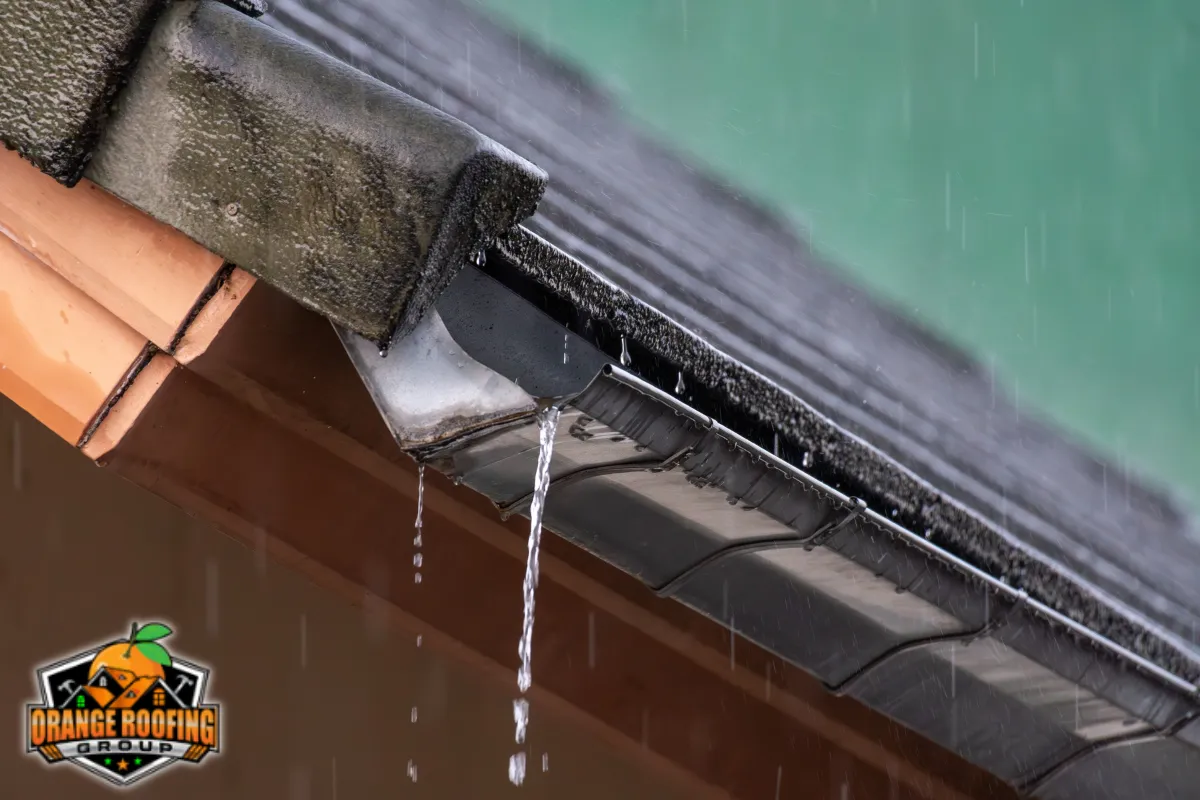
Many roof leak repair calls are not caused by failed shingles alone. Roofers often find that leak roofs started at the edge because water could not drain properly. Here are the gutter problems most likely to create roof damage:
- clogged gutters packed with leaves, twigs, pine needles, seeds, and shingle granules.
- Sagging gutters caused by heavy gutters, loose fasteners, or rotten fascia.
- Bad pitch that leaves water sitting instead of draining.
- Damaged downspouts that cause water to overflow gutters during storms.
- Broken gutters, separated corners, rusted seams, and gaps behind the trough.
- Missing drip edge or improper gutter installation that exposes the roof edge.
- Ice dams that form when trapped water freezes in clogged gutters causing ice damming.
- Blocked scuppers or internal drains on flat roofs that mimic roof leaks even if the membrane is not the first failure point.
High winds can blow debris into gutters and lift shingles, creating a double problem after storm damage. Shingle granules washing into gutters indicate wear on the roof’s protective layer, so debris in the trough can be both a clogging issue and a warning sign that shingle replacement may be needed.
Clogged Gutters and Downspouts Forcing Water Backward
Clogged gutters are the most common reason gutters contribute to roof leaks. Debris like leaves, twigs, and pine needles can rapidly clog gutters in tree-lined neighborhoods on the north shore, south shore, and across Staten Island homes.
When the trough fills, water has nowhere to go. Standing water in clogged gutters causes capillary action under shingles, and clogged gutters can cause water to back up under shingles during heavy rain. Overflowing water can rot wooden fascia boards, soak insulation near eaves, and create hidden leaks inside architectural soffits due to degraded gutters.
Look for these warning signs:
- Water spilling like a waterfall over the front edge.
- Peeling paint or soft wood along fascia boards.
- Damp attic insulation above soffits.
- Water stains on ceilings near exterior walls.
- Mildew streaks or algae lines below gutter corners.
Gutters should be cleaned at least twice a year. on Staten Island, seasonal gutter cleaning is usually best in late spring and late fall, with extra gutter cleaning after major storms.
Sagging, Poorly Pitched, or Pulled-Away Gutters
Pitch means the slight downward angle that moves water toward the downspout. Improper gutter pitch can lead to water pooling, and gutters that sag can cause water to back up and seep under shingles.
The recommended pitch is about 1/4 inch drop per 10 feet. Over time, loose hangers, old spike-and-ferrule fasteners, heavy wet debris, ice load, or rotted fascia can pull gutters out of alignment. Heavy gutters can sag and pull away from the roof, opening a gap where water runs directly onto the roof edge and into wall cavities.
Standing water inside gutters also creates other problems. It speeds corrosion, attracts mosquitoes, adds winter weight, and increases the chance of ice dams. Aluminum gutters are known for corrosion resistance and durability, but even aluminum performs poorly when water is allowed to sit for long periods.
Ice Dams and Winter-Related Gutter Issues
Staten Island winters bring snow, slush, and winter freeze thaw cycles. Ice dams form when heat escaping from the home melts snow on the roof, then that water refreezes at cold eaves or clogged gutter lines.
Melting snow can freeze in clogged gutters, forming ice dams. Ice dams can form from inadequate drainage in gutters, and ice dams can block drainage and force water backward under shingles. The leak may show up days after the storm as attic stains, wet insulation, or dripping around exterior walls.
Common signs include icicles, thick ridges of ice along gutters, and water stains after cold snaps instead of during rain. Prevention starts with air sealing, insulation, proper attic ventilation, and a professional roof inspection before winter storms. Older gutter systems may lack modern waterproofing membranes, so an aging roof may need upgraded underlayment at the eaves during roof repair or roof replacement.
Undersized, Damaged, or Poorly Placed Downspouts
Downspouts are just as important as the gutter trough. If there are too few downspouts, or if they are too small for long roof runs, water backs up during Staten Island’s intense summer thunderstorms.
Crushed, disconnected, or missing extensions dump water near siding and the home’s foundation. That can lead to soil erosion, basement leaks, and damp foundation walls. Gutters protect foundations from water damage and erosion, but only if the water is actually carried away.
Watch for corner leaks, green staining on siding, trenches under downspouts, or puddles after rain. Many older Staten Island homes benefit from larger 3×4-inch downspouts, additional drops, gutter replacement, or new gutters sized for heavier rainfall.
Improper Gutter Installation Damaging Roof Edges
Even new gutter installation can create roof leaks if it is done incorrectly. The placement has to match the roof slope, drip edge, fascia condition, and roof material.
Common mistakes include:
- Gutters hung too high, trapping water against the roof deck.
- Gutters hung too low, allowing runoff to overshoot the trough.
- Missing or misaligned drip edge that lets water wick behind the gutter.
- Too few hangers, causing sagging gutters after heavy rain.
- Incompatible fasteners that corrode faster in salt air.
- Drilling or fastening methods that damage fascia, soffit, or the roof edge.
A qualified roofing contractor should verify that gutter installation works with the existing roof system. This matters during minor repairs, roof leak repair, shingle replacement, and complete roof replacements because manufacturer instructions and local building rules can affect warranties.
Warning Signs Your Gutters May Be Behind a Roof Leak
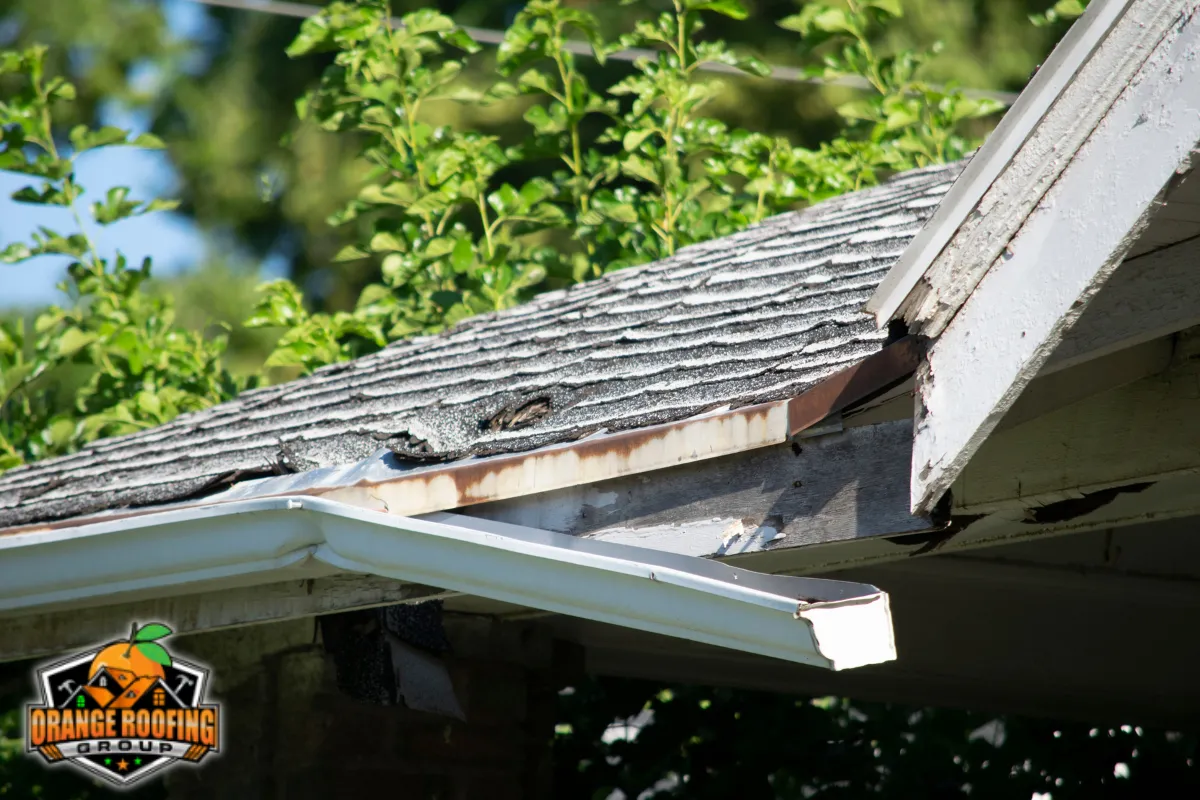
Not every roof leaking issue starts in the middle of the roof. Many active leaks begin at edges and eaves where the gutters, fascia, drip edge, and shingles meet.
Use this safe ground-level checklist after rain:
- Overflowing gutters during steady rainfall.
- Visible gaps between existing gutters and fascia boards.
- Sagging sections or broken gutters near corners.
- Peeling paint, soft trim, or staining under soffits.
- Mildew streaks on siding below gutter seams.
- Water stains on ceilings near outside walls.
- Musty smells after snowmelt or heavy rain.
- Damp attic insulation near the eaves.
Multiple signs together strongly suggest gutter problems rather than a random cracked shingles issue. High winds, clogged downspouts, and wind lifted shingles can also appear together after coastal storms, so a free inspection or free roof inspection may be worth scheduling before damage spreads.
Simple Homeowner Checks Before Calling a Roofer
You do not need to climb onto the roof to gather useful information. Use binoculars or a phone camera zoom to look for standing water, debris, stains beneath soffits, and sagging gutter lines.
Walk the property after a storm and check for eroded soil, puddles near the foundation, watermarks on basement walls, and splash patterns on siding. On a dry day, a garden hose test can show whether functional gutters move water efficiently to the downspouts.
Avoid walking on steep roofs or wet flat roofs. Also avoid prying up shingles, cutting membranes, or drilling into fascia. Take photos of recurring overflow, water stains, and suspected roof damage so roofers can compare conditions during a thorough inspection.
Read Emergency Roof Leak Checklist for Staten Island Homeowners
DIY Gutter Maintenance vs. Professional Roof Leak Repair
Some gutter maintenance is reasonable for handy homeowners. Other situations call for roofing contractors because roof leaks can involve hidden wood rot, wet insulation, electrical hazards, or compromised structural integrity.
Basic DIY tasks may include:
- Scooping moderate debris from a stable ladder.
- Flushing downspouts with a hose.
- Checking for obvious loose brackets.
- Installing simple snap-in gutter guards on safe, single-story sections.
- Keeping photos of recurring overflow or water stains.
Use ladder safety, have a helper, and never work during rain, high winds, or icy conditions. Gutter cleaning is essential to prevent flooding and water damage, but safety should come first.
Call a roofer or reliable gutter company when you see active leaks, sagging ceilings, widespread gutter detachment, rotted fascia, suspected structural roof damage, or leaks in multiple rooms. Emergency roof repair is also appropriate when water is dripping inside, especially near electrical fixtures. Professional gutter services can also help when you need gutter guard installation, seamless gutter installation, new gutter installation, or professional gutter services tied to roof repair.
For commercial properties, flat roof ponding, bubbling membranes, leaks beneath rooftop HVAC units, and blocked drains should be handled by commercial roofing experts. Commercial buildings often require scheduled repair services and maintenance for commercial roofing systems to prevent extensive damage.
How Roofers Diagnose Gutter-Related Roof Leaks on Staten Island
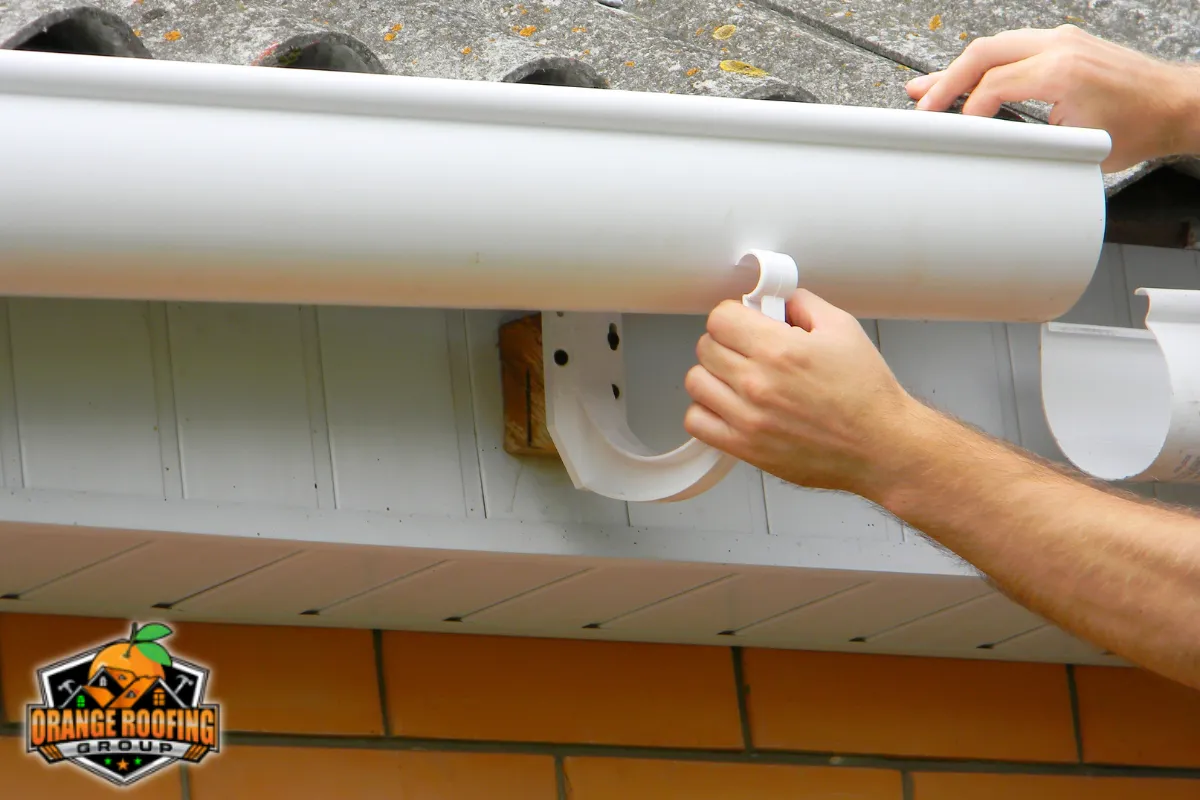
A good roofing company does not guess. Roofers follow the water path from the interior stain back to the roof, then to the gutters, downspouts, and ground drainage.
A professional roof inspection may include attic review, moisture readings, exterior roof checks, gutter testing, flashing inspection, and careful water testing. Some roofing contractors use thermal imaging when conditions allow. The goal is to separate gutter-caused leaks from skylight leaks, flashing failures, cracked shingles, aging underlayment, or storm damage.
Reputable roofing companies should explain their findings and recommend necessary repairs in writing. That may include short-term emergency repair to stop water intrusion and longer-term solutions to prevent the same roof leak from returning. Ask for no obligation estimates, a free estimate when available, and clear pricing with no hidden fees before approving larger work.
Typical Repair Options for Gutter-Driven Roof Damage
The right repair depends on the source and severity. Minor repairs may involve cleaning, re-pitching, resealing corners, replacing loose hangers, or adding drip edge.
More involved repair services can include:
- Replacing rotten fascia boards.
- Installing new gutters or seamless gutters.
- Correcting downspout placement.
- Removing damaged shingles near eaves.
- Replacing wet roof decking.
- Upgrading underlayment and ice protection.
- Completing roof replacement when the roof is near the end of its service life.
On commercial roofing projects, solutions may include scupper repair, drain rebuilds, roof coating, or commercial roofing drainage upgrades. The best roofing service solves the water-flow problem, not just the stain on the ceiling.
Preventing Gutter-Related Roof Leaks Before They Start
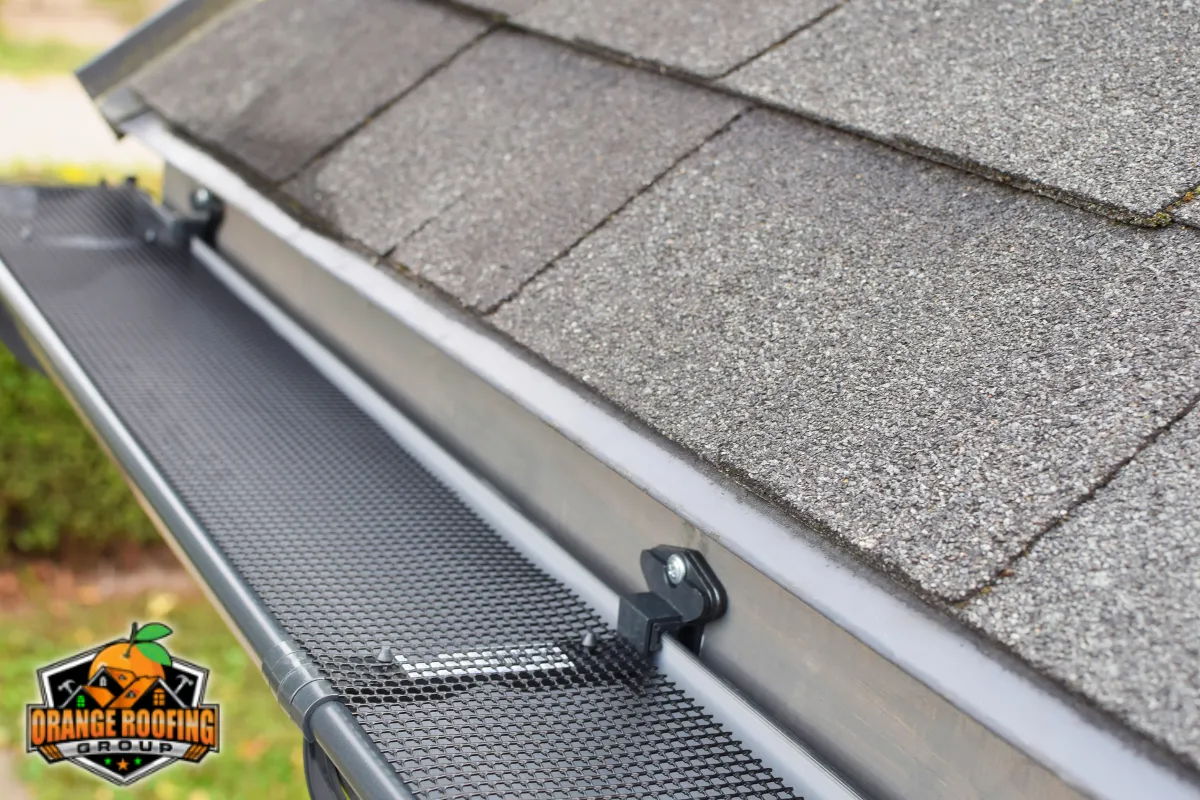
Regular maintenance of gutters is crucial to prevent structural damage. The best prevention plan for Staten Island homeowners is seasonal and storm-aware.
A smart schedule looks like this:
- Spring: check for winter damage, loose hangers, and debris.
- Late fall: clear leaves before freezing weather.
- After Nor’easters: inspect for wind lifted shingles, broken gutters, and clogged outlets.
- After summer storms: look for overflow during heavy rainfall.
- Annually: schedule a roof inspection, especially for older roofs.
Gutter guards can help reduce debris, but they do not eliminate maintenance. If you install gutter guards, choose products suited to your trees and roof pitch. Leaf screens, larger downspouts, and trimming overhanging branches can reduce clogs on both pitched roofs and flat roofs.
Pairing gutter services with roof inspections helps catch small issues before they become an emergency roof leak. Prompt repair services are almost always less expensive than waiting for saturated drywall, mold growth, or structural damage.
Choosing the Right Gutters for Staten Island Weather
For coastal new york conditions, materials matter. Aluminum seamless gutters are popular because they balance cost, corrosion resistance, and durability. Steel is strong but needs protective coatings, especially near salt air. Copper lasts longer and handles coastal exposure well, but costs more.
Many Staten Island homes use 5-inch or 6-inch K-style gutters, depending on roof area, pitch, and rainfall volume. Larger roof planes or long runs may need 6-inch troughs and larger downspouts. A roofer familiar with local weather conditions and code requirements can size the system properly.
Color also matters. Choose finishes that complement siding, brick, stucco, or trim while resisting fading and corrosion. Quality materials and correct installation are what turn gutters from an afterthought into a real roof protection system.
How Often to Inspect Gutters and Roofs on Staten Island, NY
Inspect gutters at least twice a year, plus after major windstorms, winter storms, or Nor’easters. Homes surrounded by mature trees may need seasonal gutter cleaning more often.
For roofs under 15 to 20 years old, an annual professional inspection is a practical baseline. Older roofs, flat roofs, commercial buildings, and commercial properties may need semi-annual or quarterly maintenance. Keep records of gutter cleaning, roof inspection reports, roof repair invoices, and warranties. That history helps future diagnostics and may support insurance documentation.
Keep Water Moving Before It Becomes a Leak
Gutters protect homes from water damage and foundation issues only when they are clear, sloped, attached, and sized correctly. If water is overflowing, pooling, freezing, or running behind the trough, the roof is already under stress.
The most practical move is simple: inspect early, maintain regularly, and get help before small gutter problems become costly repairs. Whether you need gutter replacement, roof leak repair, or a full roofing service plan, acting quickly protects the home from extensive damage.
Staten Island Roofing Contractor – Orange Roofing Group
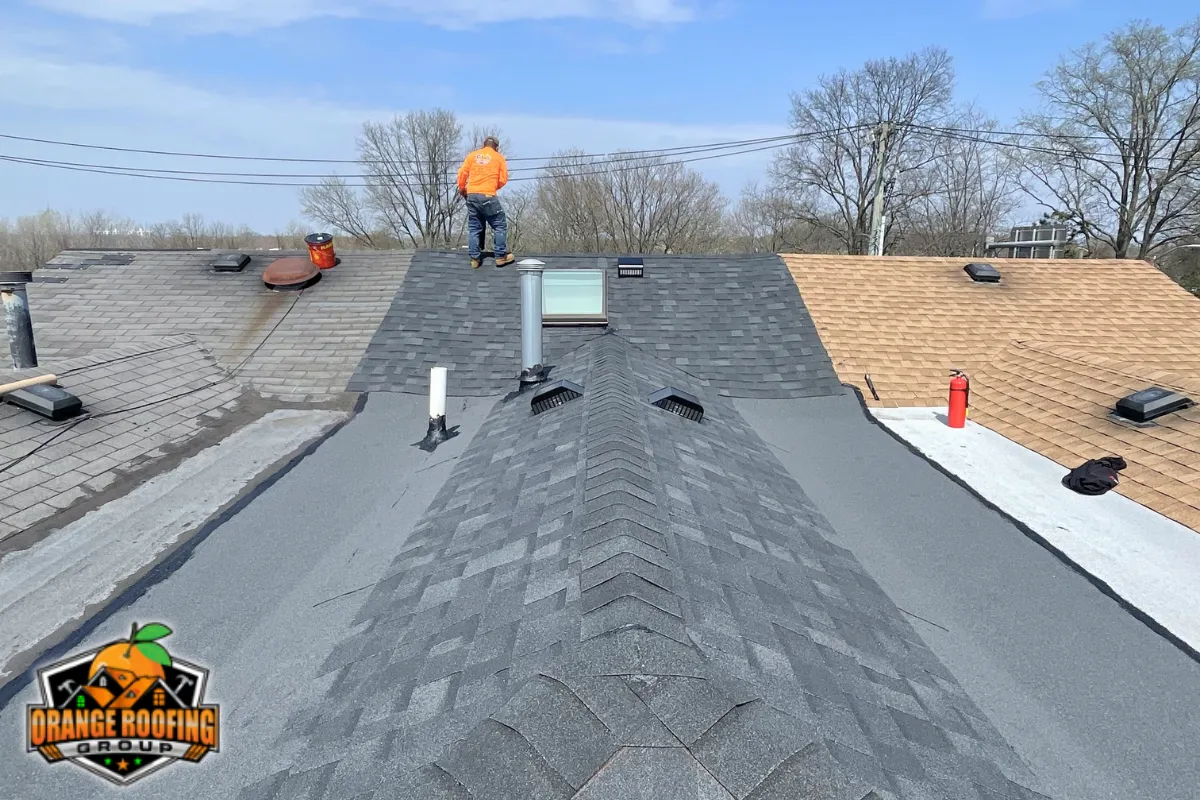
At Orange Roofing Group, we help homeowners and businesses solve roof leaks caused by clogged gutters, broken gutters, poor drainage, and storm damage across Staten Island, New York. We provide a full roof inspection, emergency roofing response for active leaks, and long-term roof repair solutions for residential and commercial roofing clients. Our roofing contractors handle seamless gutter installation, gutter replacement, gutter guard installation, complete leak roofs restoration, and code-conscious repair work for Staten Island properties. If your roof leaking problem started near the eaves, fascia, or flat roof drains, we can find the source and explain your options clearly. Call us at (347) 875-2361, fill out our contact form, or schedule a visit to discuss your roof leaks today.
Frequently Asked Questions
These FAQs address common concerns that homeowners often ask after discovering gutter-related roof leaks, especially after storms, snowmelt, or a home inspection.
Can my homeowner’s insurance deny a claim if the roof leak is traced to neglected gutters?
Many insurers in New York distinguish between sudden accidental damage and long-term neglect. If a storm tears off gutters or wind damages shingles, coverage may be more likely than if an adjuster finds years of clogged gutters, rotted fascia, and ignored maintenance. A lack of regular maintenance can sometimes lead to partial or full denial for resulting water damage. Keep records of gutter cleaning, roof inspection reports, and repair services as proof that you acted responsibly. After discovering a leak, contact both your insurance agent and a roofing contractor quickly so conditions are documented accurately.
How quickly should I call a roofer after seeing ceiling stains near an exterior wall?
Call a roofing company within 24 to 48 hours after noticing ceiling stains near an exterior wall. Those stains usually mean water has already traveled through the roof assembly, insulation, or drywall. Waiting can turn a small roof leak repair into a larger project involving mold remediation, framing repairs, and repainting. Call sooner if the stain is spreading, water is actively dripping, or the ceiling feels soft. Staten Island storms often arrive in clusters, so a leak that appears minor on Monday can worsen quickly if another round of rain or snowmelt follows.
Do gutter-related leaks affect home resale value on Staten Island?
Yes, gutter-related leaks can affect resale value because buyers and inspectors pay close attention to water stains, patched ceilings, damaged fascia, basement dampness, and signs of mold growth. If an inspection report mentions active roof leaks or drainage issues, buyers may request credits, repairs, or price reductions. The good news is that documented roof repair, updated seamless gutter installation, and records of routine maintenance can reassure buyers. Before listing a home, address known drainage problems, keep receipts, save warranties, and be ready to show that roof and gutter issues were professionally corrected.
Are flat roofs on Staten Island more vulnerable to gutter and drainage issues?
Flat roofs are vulnerable in a different way. Instead of relying mainly on hanging gutters, flat roofs usually depend on internal drains, scuppers, and subtle slope to move water away. If leaves, roofing debris, or wind-blown trash block those drainage points, ponding water can stress seams, flashing, and membranes. Many mixed-use buildings, multifamily homes, and commercial buildings on Staten Island have flat roofs, so routine drainage maintenance is important. After heavy storms, a professional should check for standing water, blocked outlets, membrane bubbles, and stains inside top-floor rooms.
How can I tell if foundation problems are starting because of bad gutters?
Early foundation warning signs can include widening hairline cracks in basement walls, damp corners, musty odors, doors or windows that begin sticking, and soil washing away near downspouts. Overflowing or broken gutters can funnel roof runoff directly against the foundation, especially on older Staten Island homes with tight side yards or aging drainage. Proper gutter extensions and grading should move water away from the structure. If moisture continues after correcting gutters and downspouts, speak with a foundation or structural specialist to determine whether movement, settlement, or additional drainage work is involved.
Disclaimer: This article is general educational information, not legal, engineering, structural, or insurance advice. It does not replace an on-site inspection. Staten Island, New York codes and property conditions can change, so verify specific requirements with local authorities, licensed professionals, and qualified roofing contractors.
Read Why Coastal Staten Island Homes Need Regular Roof Inspections