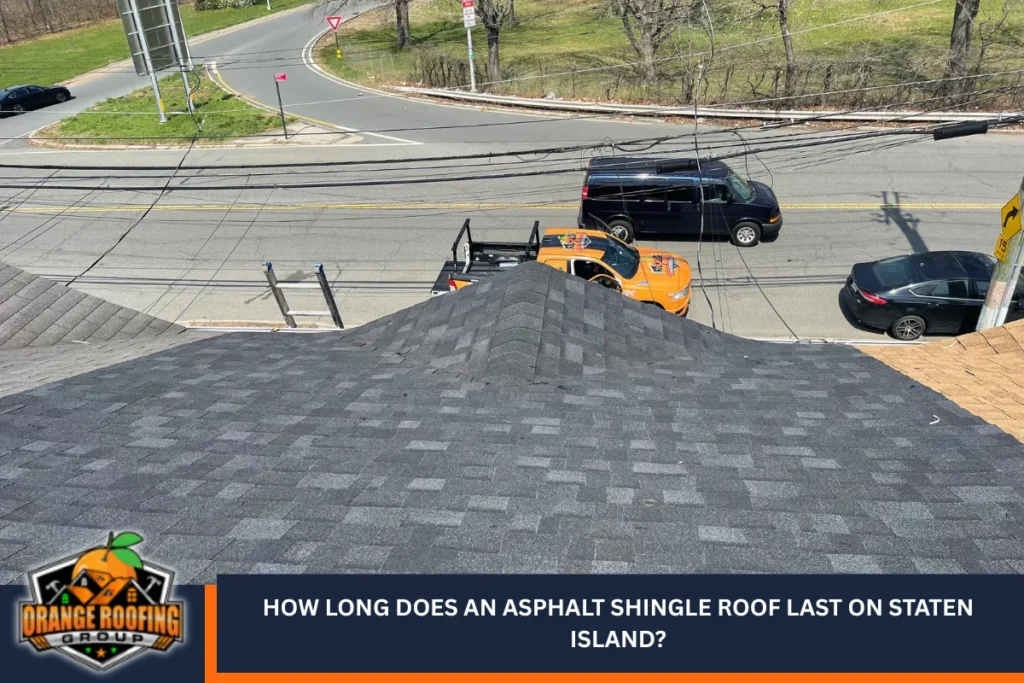
Your asphalt shingle roof protects everything you own from the elements, yet most Staten Island homeowners have no idea when theirs might fail. The problem? Manufacturer warranties promise 30 years or even “lifetime” coverage, but those marketing claims rarely match real-world performance in coastal New York. Salt-laden harbor winds, humid summers, and brutal winter freeze-thaw cycles can cut a decade or more off your roof’s expected lifespan. Without knowing what to watch for—or when to act—you could face sudden leaks, emergency repairs, and thousands in preventable damage. The solution starts with understanding exactly how long asphalt shingle roofing actually lasts in your specific environment, what factors accelerate wear, and how proper maintenance can push your roof toward the upper end of its potential.
On Staten Island, a quality architectural asphalt shingle roof typically lasts 18–25 years with proper installation and care. Basic 3-tab shingles average closer to 15–20 years under local conditions. Asphalt shingles are known for their affordability, making them a popular choice for homeowners looking for cost-effective roofing solutions. However, that “30-year” label you see on the packaging reflects lab testing under controlled conditions—not Atlantic nor’easters, not summer humidity hovering at 80%, and not 120-plus freeze-thaw cycles every winter.
Regular roofing service, including minor roof repair and gutter maintenance, can realistically extend roof life toward the upper end of these ranges. Neglect, on the other hand, can knock five to ten years off even premium materials.
Key Takeaways
- Most asphalt shingle roofs on Staten Island last around 18–25 years when properly installed and maintained by experienced roofers.
- Coastal weather conditions including high winds, salt air, humidity, and freeze–thaw cycles can shorten or extend that range depending on roof care and material quality.
- Material grade, proper ventilation, and the roofing contractor’s workmanship are just as important as the shingle brand or warranty label.
- Annual inspections and prompt roof repair can add years of life to an asphalt shingle roof and protect your property from costly water damage.
- Every roof ages differently—contact a local roofing company for an on-site evaluation to understand your specific situation.
Factors That Shape Asphalt Shingle Roof Lifespan on Staten Island
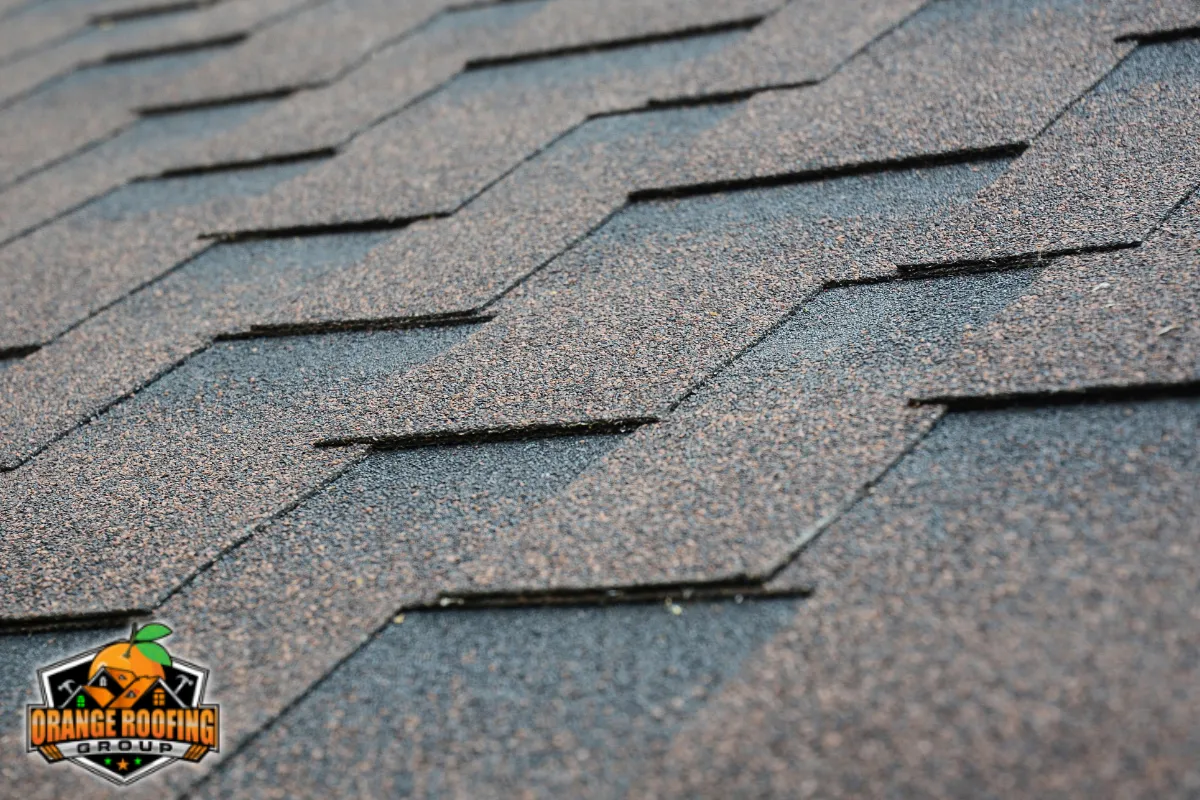
No two asphalt shingle roofs age exactly the same way. The lifespan of your residential roofing depends on a combination of material choices, installation quality, weather exposure, and ongoing maintenance. Here’s what determines whether your roof hits 15 years or pushes past 25.
Shingle Type and Quality
The type of shingles installed on your home makes a significant difference:
- 3-Tab Shingles: Single-layer construction, typically rated for 60-80 mph winds. Most affordable option but least durable.
- Architectural (Dimensional) Shingles: Multi-layered for added thickness and wind resistance up to 130 mph. The standard choice for most Staten Island homes.
- Premium Impact-Resistant Shingles: SBS-modified asphalt with Class 4 impact ratings and algae-resistant granules. Highest durability and longest potential lifespan.
Asphalt shingles come in a variety of colors and styles, allowing homeowners to choose options that best match their home’s aesthetic while still getting the protection they need.
Professional Installation
One of the key benefits of asphalt shingles is their ease of installation, which can lead to lower labor costs compared to other roofing materials. However, the installation quality significantly affects the lifespan of roofing materials—poor installation can lead to premature failure. A licensed roofing contractor in NYC should follow manufacturer specifications for:
- Correct nailing patterns (typically 6 nails per shingle in high-wind zones)
- Proper starter strips at eaves and rakes
- Step flashing at walls and chimneys
- Ridge caps and ventilation components
Local Weather Stresses
Staten Island sits in a coastal microclimate that accelerates shingle wear by 15-25% compared to national averages. Key stressors include:
- Wind off the harbor averaging 12-15 mph with peaks exceeding 60 mph during storms
- Salt-laden air that corrodes metal flashing and fasteners
- Summer UV index reaching 8-10, baking shingles and loosening granules
- Winter freeze-thaw cycles that crack and curl aged materials
The durability of asphalt shingles can be affected by environmental factors such as extreme temperatures, heavy rainfall, and wind, which are common in Staten Island.
Roof Design and Ventilation
Roof pitch, attic insulation, and code-compliant ventilation all affect how your roofing systems perform over time. Staten Island building codes require specific net free vent area (1/150 ratio) to prevent heat buildup and moisture damage. Homes with inadequate ventilation can see deck temperatures 20-40°F higher than properly vented structures—and that heat cooks shingles from below.
Maintenance Habits
Regular maintenance and inspections can help extend the lifespan of asphalt shingle roofs by identifying and addressing issues before they lead to significant damage. Homeowners who schedule annual inspections, clear debris promptly, and address minor repair services quickly tend to get years more life from their roofs.
Surrounding Environment
Overhanging trees create shade that encourages moss and algae growth. High humidity promotes the growth of mold and algae on shingles, contributing to quicker decay. Without periodic cleaning or zinc strip installation, these organic growths can shorten shingle life by 3-5 years.
Typical Lifespan Ranges for Common Asphalt Shingle Roofing Options
Understanding average lifespans helps you plan ahead and budget appropriately for your home. Asphalt shingle roofs typically have a lifespan of 15 to 30 years, depending on the quality of the shingles and the installation process. National averages often cite 20-30 years for architectural shingles, but Staten Island conditions require adjusted expectations.
Realistic Local Ranges
Here’s what you can expect on Staten Island with proper installation and maintenance:
| Shingle Type | National Average | Staten Island Average |
| 3-Tab | 15-20 years | 12-18 years |
| Architectural | 20-30 years | 18-25 years |
| Premium/Impact-Resistant | 30-50 years | 25-35 years |
3-Tab shingles generally last 15 to 20 years, while architectural shingles last 20 to 30 years under favorable conditions. Many asphalt shingles are designed to be durable and can withstand harsh weather conditions, providing reliable protection for homes—but that durability has limits in coastal environments.
Why Older Roofs May Already Be Failing
If your roof was installed in the early 2000s, it’s now 20+ years old and potentially at end-of-life. Local roofing data suggests approximately 40% of pre-2010 installations need replacement after 15 years due to inadequate ventilation—only about half of older homes meet current IRC code requirements for attic venting.
Commercial Considerations
Commercial roofing with asphalt shingles on small mixed-use buildings may age differently due to larger roof spans, more penetrations (HVAC units, vents, access points), and different occupancy patterns. Larger flat or low-slope sections see more ponding water and UV exposure, potentially shortening life by 10% compared to typical residential applications.
Local Staten Island Climate and Its Impact on Asphalt Shingle Roofs
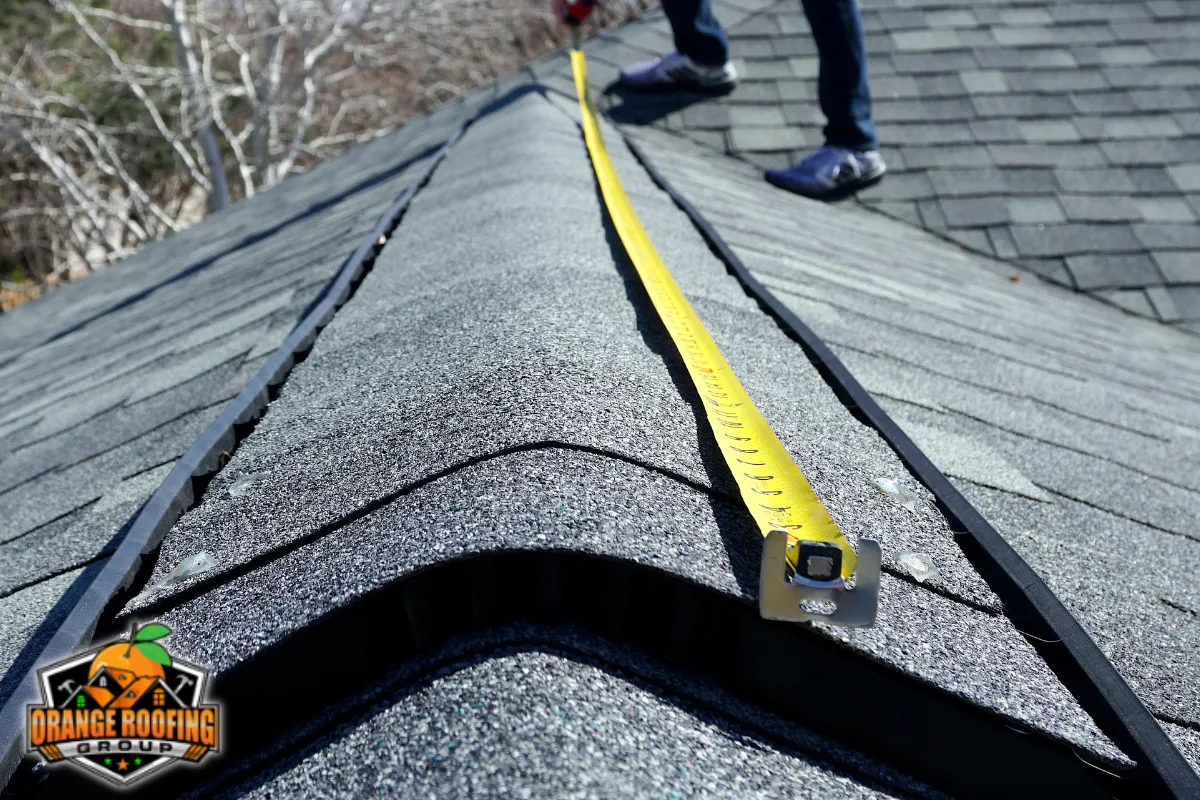
Staten Island’s weather doesn’t just affect your weekend plans—it actively breaks down your roof year after year. Understanding these forces helps explain why local lifespans differ from what you might read on a manufacturer’s website.
Atlantic Storms and Nor’easters
The borough takes direct hits from tropical remnants, nor’easters, and coastal storms carrying wind-driven rain. Hurricane Ida’s remnants in 2021 brought 50-70 mph gusts that lifted and damaged shingles across the island. Post-Superstorm Sandy building codes now emphasize wind uplift resistance of 110-140 mph for new installations—a requirement that protects modern roofing systems but doesn’t help older homes built to previous standards.
Salt Air Exposure
Proximity to New York Harbor—often less than two miles for many neighborhoods—means constant salt deposition on roofing materials. Salt-laden air near the coast can double corrosion rates on metal components like nails, flashing, and drip edges compared to inland locations. Coastal weather factors such as high winds, salt air, and humidity accelerate shingle deterioration significantly.
Temperature Extremes
Staten Island experiences the full range of seasonal weather:
- Summer: High humidity (70-80% averages) and heat that bake shingles. Intense UV exposure can cause asphalt shingles to become brittle and lose protective granules over time.
- Winter: Freeze-thaw cycles in New York winters can lead to shingle damage, such as curling and cracking. With 120+ cycles annually and temperatures swinging from -5°F to 90°F+, existing vulnerabilities expand into visible problems.
Snow, Ice, and Moisture
Annual snowfall averaging 28 inches creates additional challenges. On roofs with pitches below 4:12, snow accumulation leads to ice dam formation at eaves. Without proper leak barriers extending 24 inches inside exterior walls (as required by NYC Code 1503.4), water backs up under shingles and infiltrates the structure.
Shaded areas from tall trees retain 20-30% more moisture, creating ideal conditions for algae growth. The common culprit, Gloeocapsa magma, appears as dark streaks and can reduce shingle life by 3-5 years if untreated.
Read What to Ask Before Hiring a Roofing Contractor on Staten Island
Signs Your Staten Island Asphalt Shingle Roof Is Nearing the End
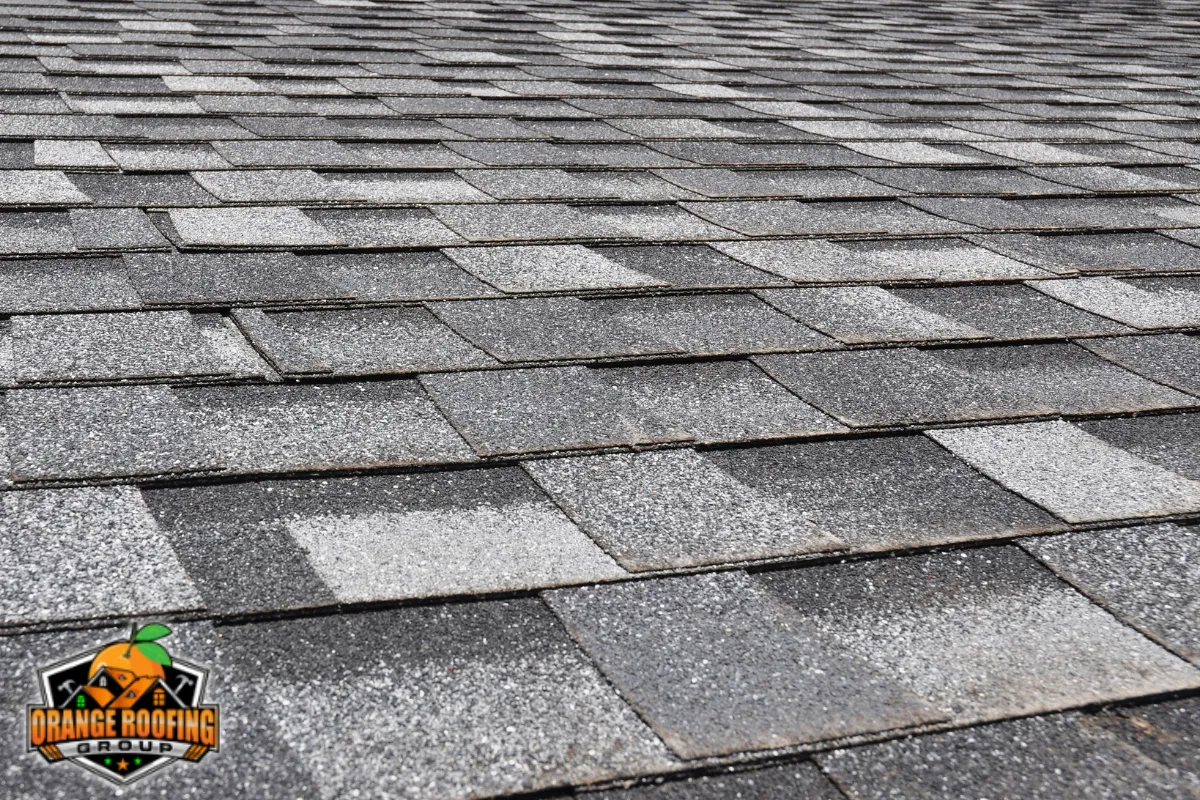
Knowing when your roof has moved from “aging” to “failing” can save you from emergency situations and water damage to your home. Watch for both visible exterior symptoms and subtle interior warnings.
Visual Exterior Symptoms
Walk around your property and look for these signs:
- Curled, cupped, or cracked shingles—especially on south-facing slopes with maximum UV exposure
- Missing tabs or entire shingles after storms
- Bald patches where protective granules have worn away, exposing dark asphalt underneath
- Shingles lifting at edges, indicating adhesive strip failure
Gutter and Ground Clues
Check your gutters and downspout exits after heavy rain. Finding large amounts of granules—more than about a quart per year—signals accelerated wear. Those granules protect the shingle mat from UV degradation; once they’re gone, deterioration accelerates rapidly.
Interior Warning Signs
Inside your home, look for:
- Water stains on ceilings, especially around chimneys and vent penetrations
- Peeling paint in rooms below the roofline
- Musty odors in the attic suggesting trapped moisture
- Visible daylight through roof boards when you inspect the attic space
Localized vs. Widespread Problems
A few damaged shingles from storm impact may be handled with targeted roof repair. But general brittleness across the field, widespread granule loss, or sagging planes indicate the roof has reached end-of-life. The threshold for replacement typically occurs when more than 20% of the surface shows damage or the roof exceeds 20 years of age.
If your roof shows any of these signs and is over 15-20 years old, schedule a professional inspection with an experienced roofing service.
Maintenance and Roof Repair Strategies to Extend Roof Life
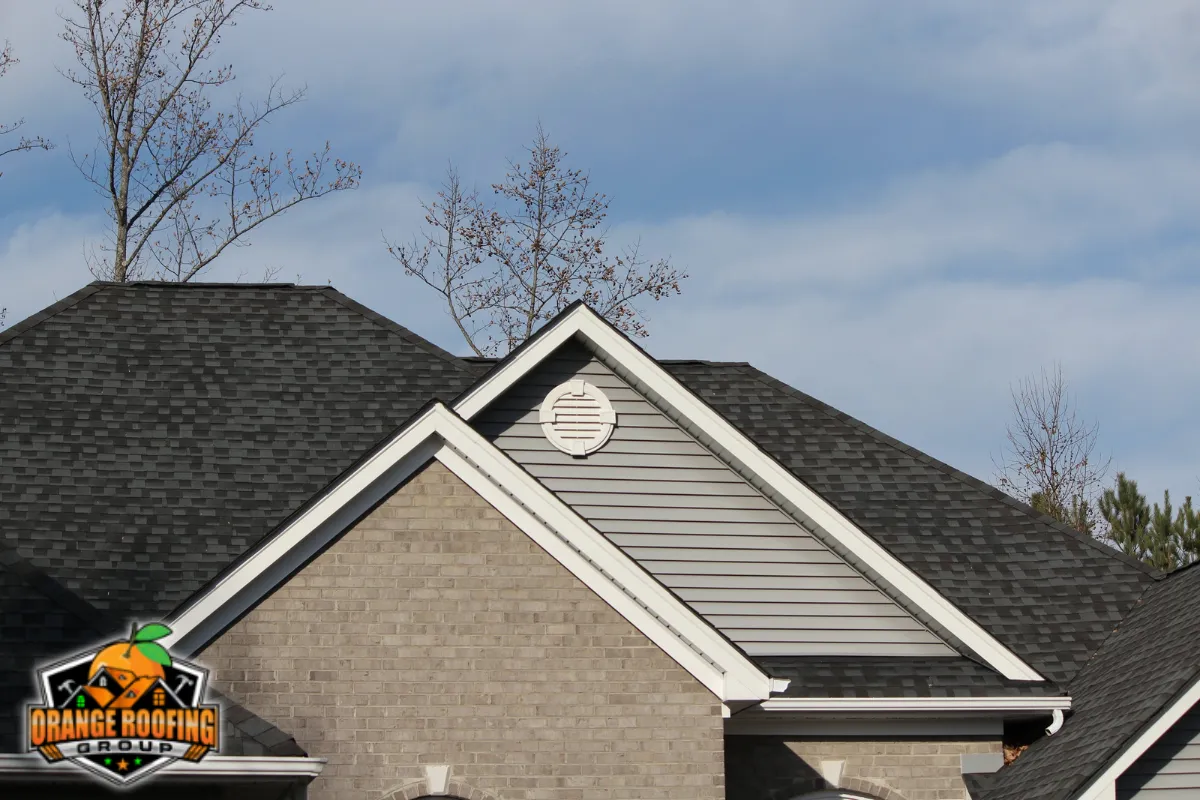
Proactive maintenance is the most cost-effective way to maximize your investment. Annual inspections are recommended to identify minor issues before they lead to more significant damage.
Seasonal Inspection Routine
Staten Island homeowners should establish a two-part inspection schedule:
- Self-inspection from the ground after major storms—look for missing shingles, debris accumulation, or obvious damage
- Professional roof inspection annually, preferably in spring or fall when weather allows safe access
Basic Maintenance Tasks
Maintaining a clean roof surface by removing debris reduces the risk of moisture retention and deterioration. Regular maintenance includes:
- Clearing leaves and branches from the roof surface and valleys
- Keeping gutters and downspouts free of blockages
- Trimming back overhanging tree limbs that rub against shingles or drop excessive debris
Prompt Repair Services
Address minor problems before they become major:
- Replace missing or damaged shingles promptly
- Seal small flashing gaps at chimneys and vent pipes
- Fix nail pops before they create water entry points
- Replace cracked vent boots and pipe collars
Attic and Ventilation Checks
Proper attic ventilation is crucial to prevent heat and moisture buildup which can damage shingles. Check that soffit vents, ridge vents, and any exhaust fans are unobstructed. Blocked vents trap heat and humidity, accelerating shingle aging from below. Effective systems balance intake and exhaust at roughly a 1:1 ratio.
Cleaning Considerations
Avoid power washing shingles—high pressure strips 20-30% of protective granules. For algae streaks, use manufacturer-approved cleaners and low-pressure rinsing. Zinc or copper strips installed near the ridge can prevent regrowth.
Documentation
Keep records of all repair services, inspections, and maintenance visits. This documentation supports warranty claims if issues arise and reassures potential buyers if you sell your home later.
How Installation Quality and Roofing Systems Affect Longevity
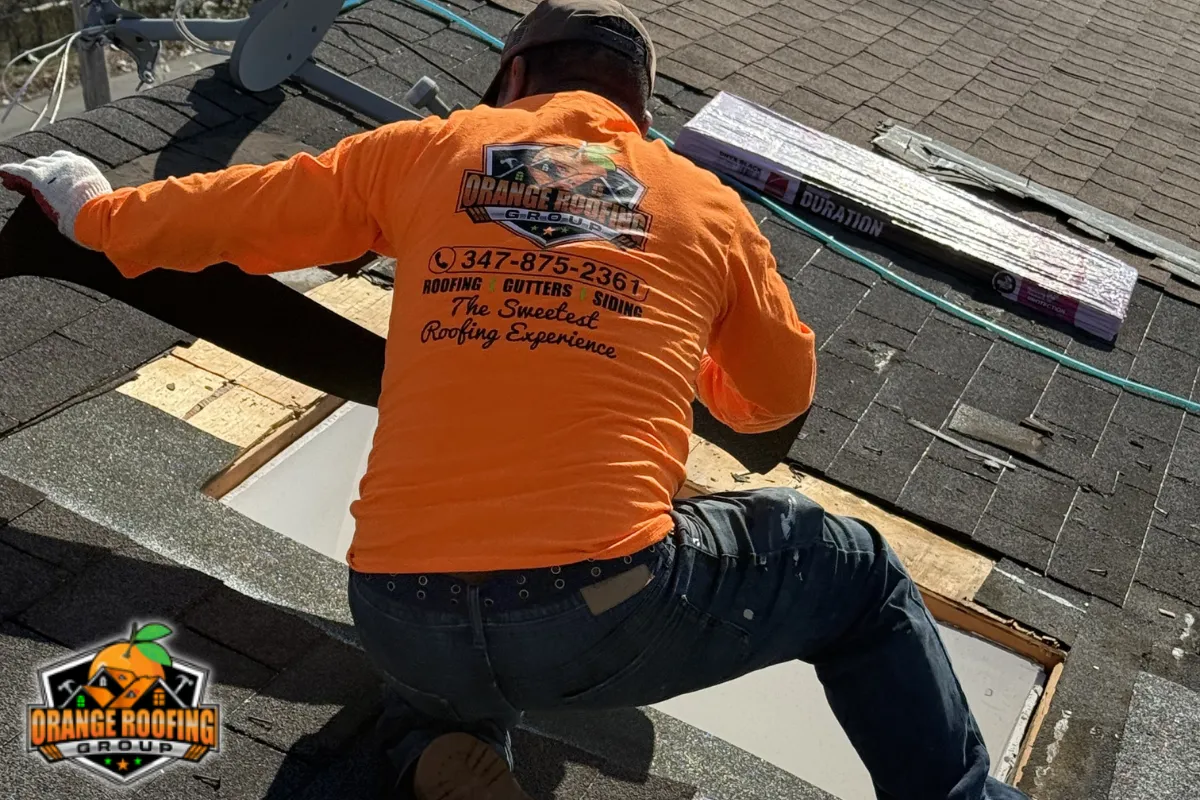
An asphalt shingle roof lasts longest when installed as a complete roofing system, not just shingle layers nailed to a deck. Every component works together to protect your property.
Complete Roofing System Components
Quality installation includes:
- Deck preparation: Sound plywood or OSB with no rot exceeding 10% of any area
- Underlayment: Synthetic underlayment provides 2x wind resistance compared to traditional felt
- Ice and water barrier: Self-adhering membrane at eaves, valleys, and around penetrations
- Starter strips: Full adhesive bed at roof edges for wind resistance
- Field shingles: Installed to manufacturer specifications with proper exposure
- Ridge caps: Proper ventilation integration and wind-resistant installation
- Flashing: 26-gauge minimum at chimneys, skylights, walls, and valleys
Proper Fastening
NYC building code requires roofing to withstand 110 mph design wind loads in exposed areas. Meeting this standard requires correct fastener type (ring-shank galvanized nails resist salt corrosion), placement in the manufacturer’s nailing zone, and proper shingle staggering patterns. Under-nailing or incorrect nail placement commonly fails at 90 mph—well below what nor’easters can deliver.
Brands like GAF and CertainTeed provide specific nailing patterns and installation sequences. Deviating from these instructions can void warranty coverage.
The Ventilation Connection
Attic ventilation and insulation must work together. Without adequate airflow, heat builds up and moisture condenses on rafters and decking. In winter, this temperature differential contributes to ice dam formation. Proper ventilation can reduce under-deck temperatures by 20-40°F compared to unvented spaces.
Choosing Experienced Contractors
Select licensed roofers who follow manufacturer specifications and NYC building codes. Verify they carry proper insurance and can document their installation methods. When contractors cut corners, warranties become worthless and roofs fail years early.
Costs, Warranties, and When Replacement Becomes Smarter Than Repair
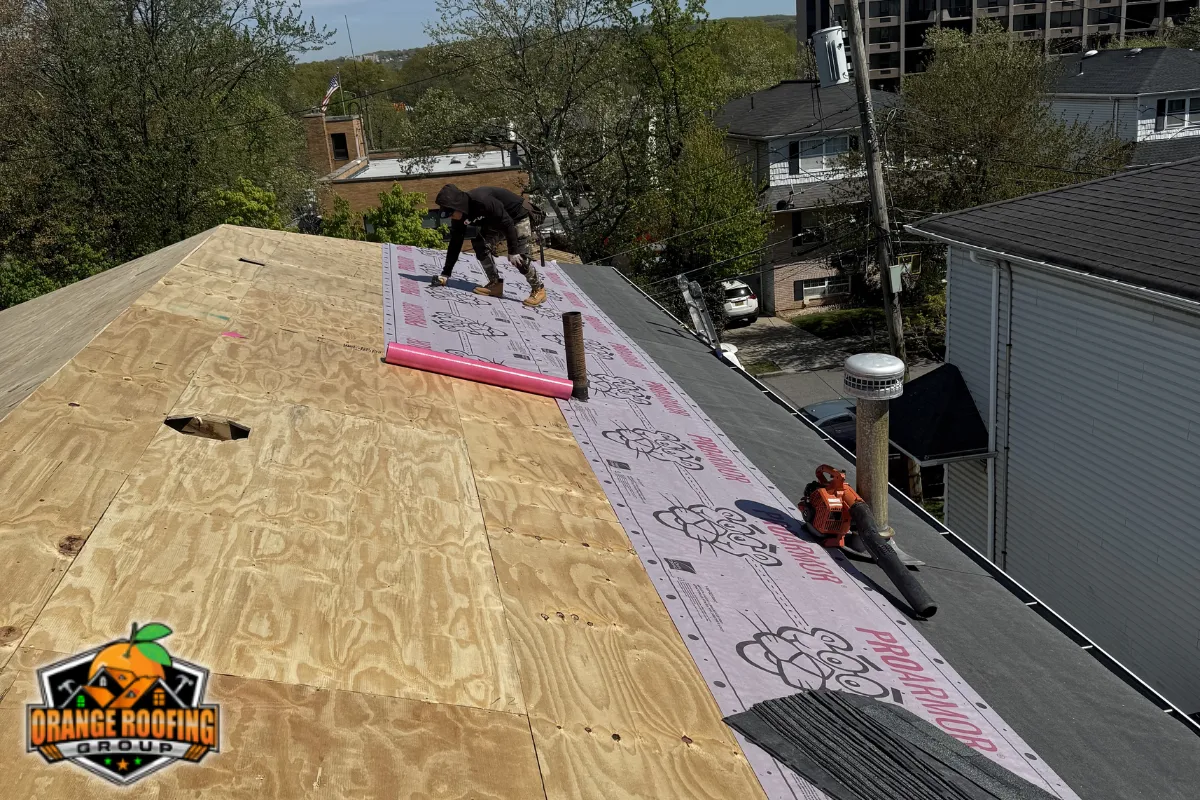
At some point, continual patches on an aging asphalt shingle roof cost more than planned replacement. Knowing when to make that call protects your budget and your home.
Repair vs. Replacement Decision Factors
Consider full replacement when:
- More than 20-25% of the roof surface shows damage
- Recurring leaks return despite multiple repairs
- The roof exceeds 20 years of age
- Deck damage (rot, sagging) is present beneath shingles
- You’re planning to sell and buyers will scrutinize roof condition
Typical Staten Island Costs
Full roof replacement on Staten Island typically runs $8,000-$20,000 for homes with 1,500-2,500 square feet of roofing. Cost factors include:
- Roof size and complexity (multiple levels, dormers, valleys)
- Two-story homes add approximately 20% to labor costs
- Number of existing layers requiring tear-off
- Shingle grade selected (3-tab vs. architectural vs. premium)
Understanding Warranties
Manufacturer warranties on asphalt shingles are typically prorated:
- Years 1-10: Often 100% material coverage
- Years 11-20: Coverage decreases, often to 50%
- Beyond 20 years: Minimal remaining coverage
These warranties cover manufacturing defects—not weather damage, poor installation, or normal wear. They’re also typically conditioned on proper installation by certified contractors and may require registration.
Workmanship warranties from your roofing company (typically 5-10 years) cover labor and installation errors. Both matter for long-term value, but neither guarantees a specific lifespan.
Getting Accurate Estimates
Request written estimates from reputable roofing contractors that detail:
- Materials and brands to be used
- Scope of work including tear-off, disposal, and protection of landscaping
- Warranty terms for both materials and workmanship
- Estimated project timeline and permit handling
Compare bids on more than price alone—evaluate clarity, communication, and professionalism.
Planning Your Next Asphalt Shingle Roof on Staten Island
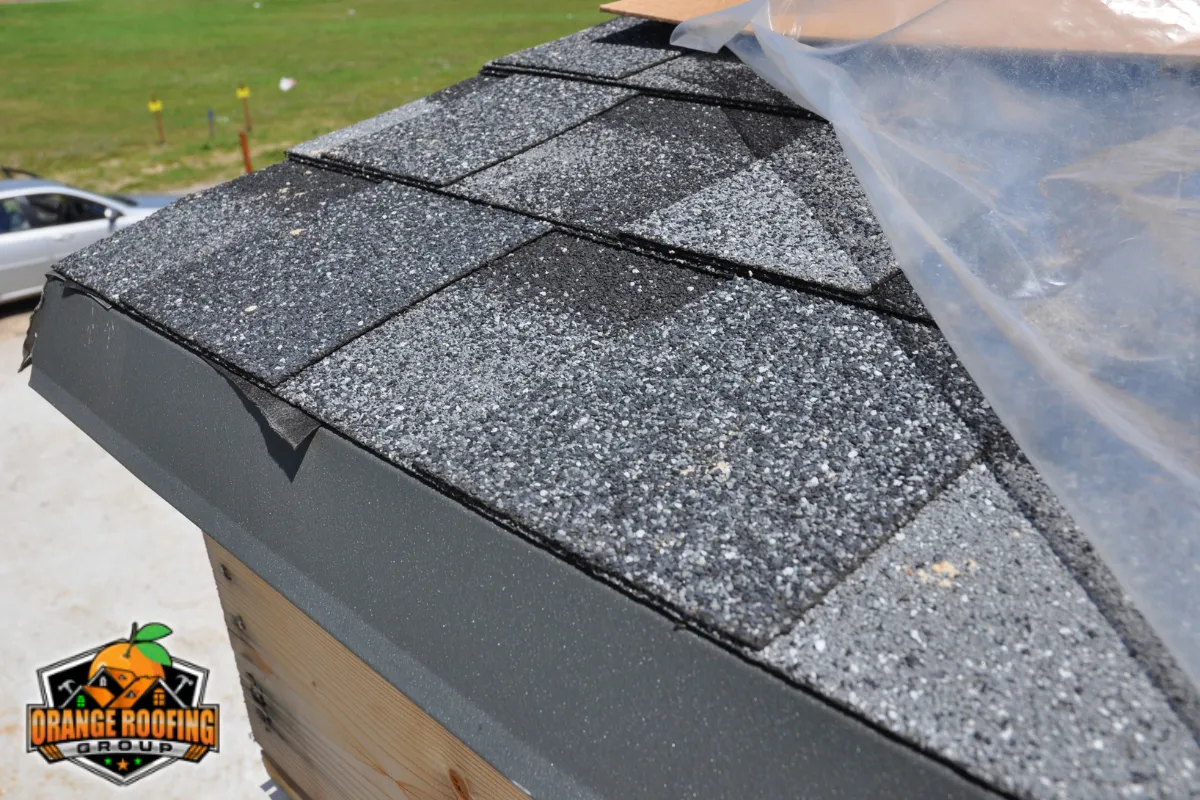
Looking ahead is smarter than waiting for leaks to appear. With realistic expectations about lifespan, an understanding of local climate challenges, and a clear view of maintenance requirements, you can make informed decisions about your roof’s future.
Recap the Essentials
- Staten Island asphalt shingle roofs typically last 18-25 years for architectural grades, less for basic 3-tab
- Coastal weather, salt air, and freeze-thaw cycles accelerate wear beyond national averages
- Installation quality and proper ventilation matter as much as material selection
- Regular maintenance catches small problems before they become expensive repairs
- When repairs exceed 20-25% of roof area or issues recur, replacement makes financial sense
Plan Strategically
Consider timing replacement before major leaks force emergency decisions. Coordinate roofing work with other exterior projects like gutter replacement or siding repair to minimize disruption and potentially reduce overall costs.
When selecting materials, choose shingle styles and colors that complement your home and neighborhood. Today’s architectural shingles offer aesthetic options that match virtually any architectural style while delivering improved durability over older products.
Choose Your Partner Carefully
Interview multiple roofing contractors before making a decision. Ask detailed questions about materials, ventilation design, and warranty coverage. Request references from recent Staten Island projects and verify licensing and insurance documentation.
Proactive care and partnering with a trusted roofing company can help your Staten Island asphalt shingle roof reach its full potential lifespan—ensuring peace of mind and protecting your home for decades to come.
Asphalt Shingle Roofing Contractor on Staten Island, NY – Orange Roofing Group
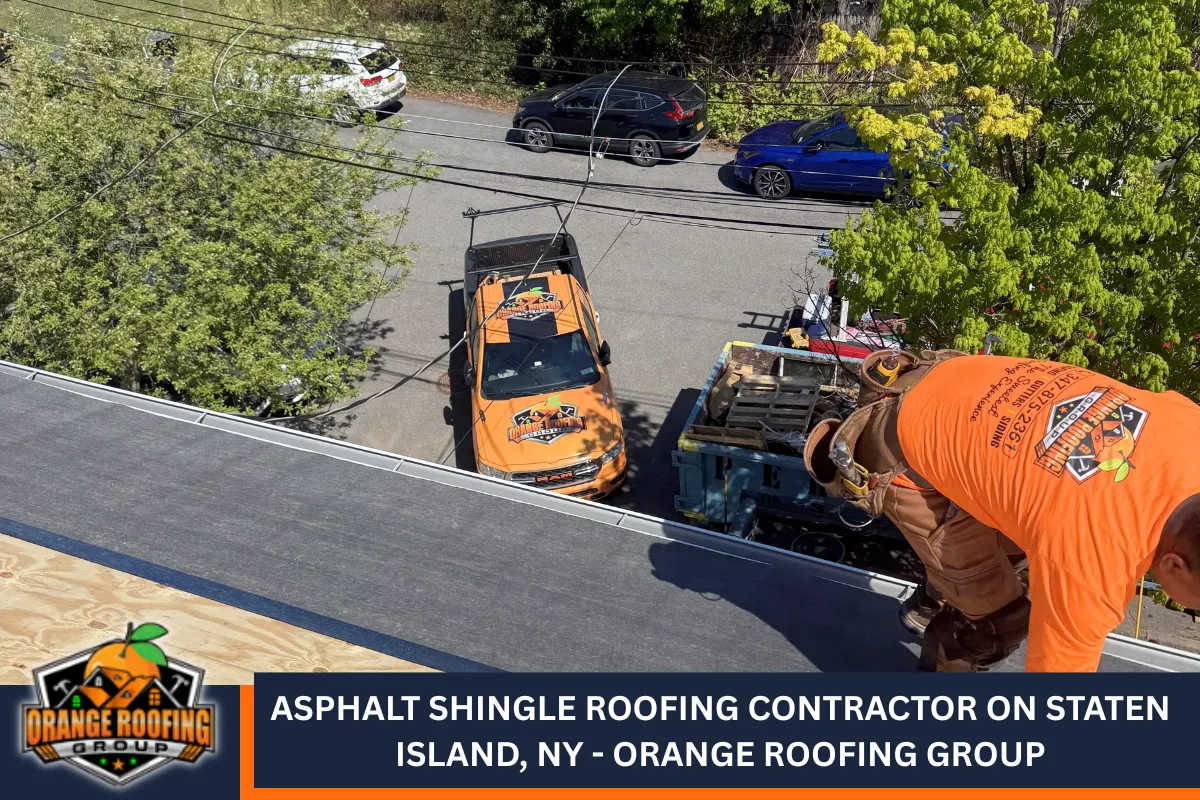
At Orange Roofing Group, we understand that your asphalt shingle roof is one of the most important investments protecting your Staten Island home. We’ve spent years helping local homeowners extend roof life through professional inspections, timely roof repair, and expert replacement when the time comes.
Our roofing service covers everything from minor repairs to complete asphalt shingle roofing installations for residential and small commercial properties throughout Staten Island, New York. We use quality materials from trusted manufacturers, follow all NYC building codes, and pay close attention to ventilation and flashing details that make the difference between a roof that lasts 15 years and one that reaches 25.
Whether you need an honest assessment of your current roof’s condition, emergency repair services after a storm, or a full replacement with modern materials, we’re here to help. Call us at (347) 875-2361, fill out our online contact form, or visit to discuss your project with an experienced roofing contractor who knows Staten Island homes.
Frequently Asked Questions
Do solar panels shorten the life of an asphalt shingle roof on Staten Island?
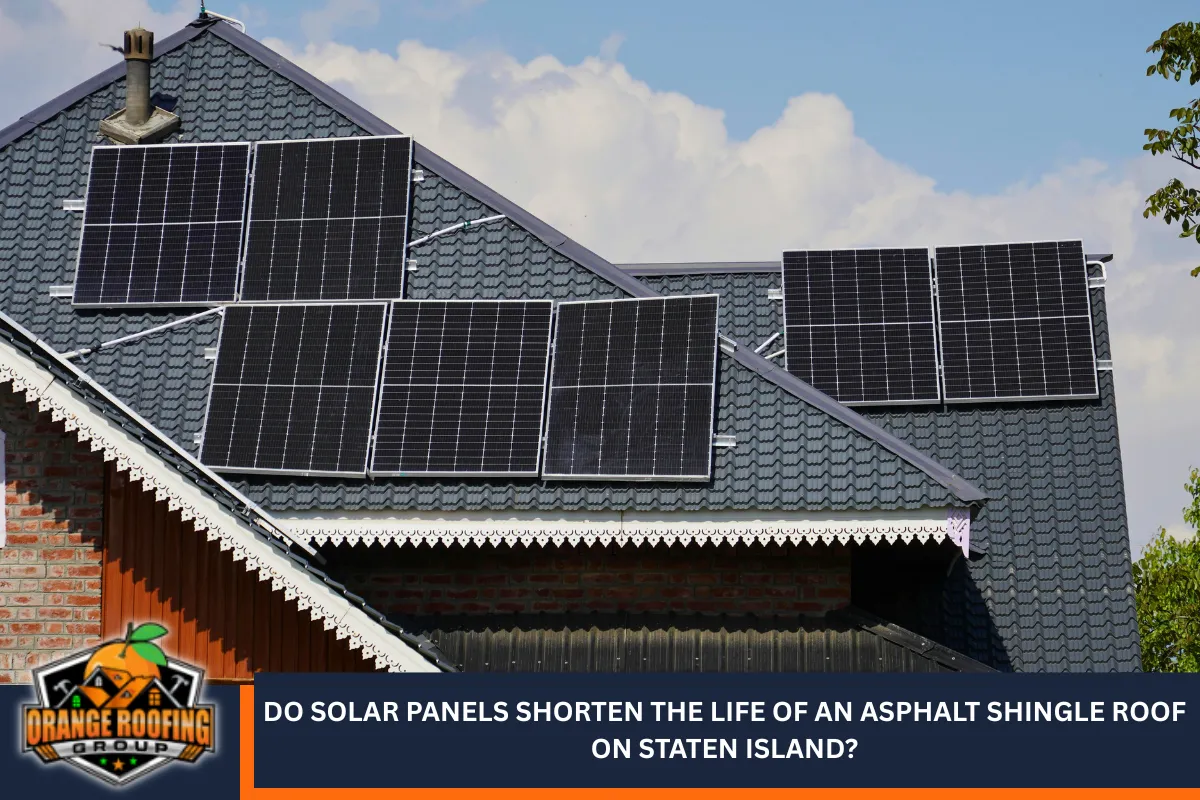
Professionally installed solar panels do not automatically shorten roof life if your roof is in good condition before installation and mounting hardware is properly flashed and sealed. The best practice is installing solar on a relatively young asphalt shingle roof—typically under 10 years old—so panel life and roof life align. All penetrations must be carefully sealed to handle Staten Island’s wind, rain, and snow, making it essential to use installers familiar with local codes. Interestingly, solar arrays can actually shield portions of your roof from UV exposure, potentially extending life in those areas. However, future roof replacement becomes more complex and expensive since panels require removal and reinstallation. Before committing to solar, schedule a full roof inspection with a roofing contractor and coordinate between your roofer and solar company for long-term performance.
Is it a good idea to install a new shingle layer over my old roof?
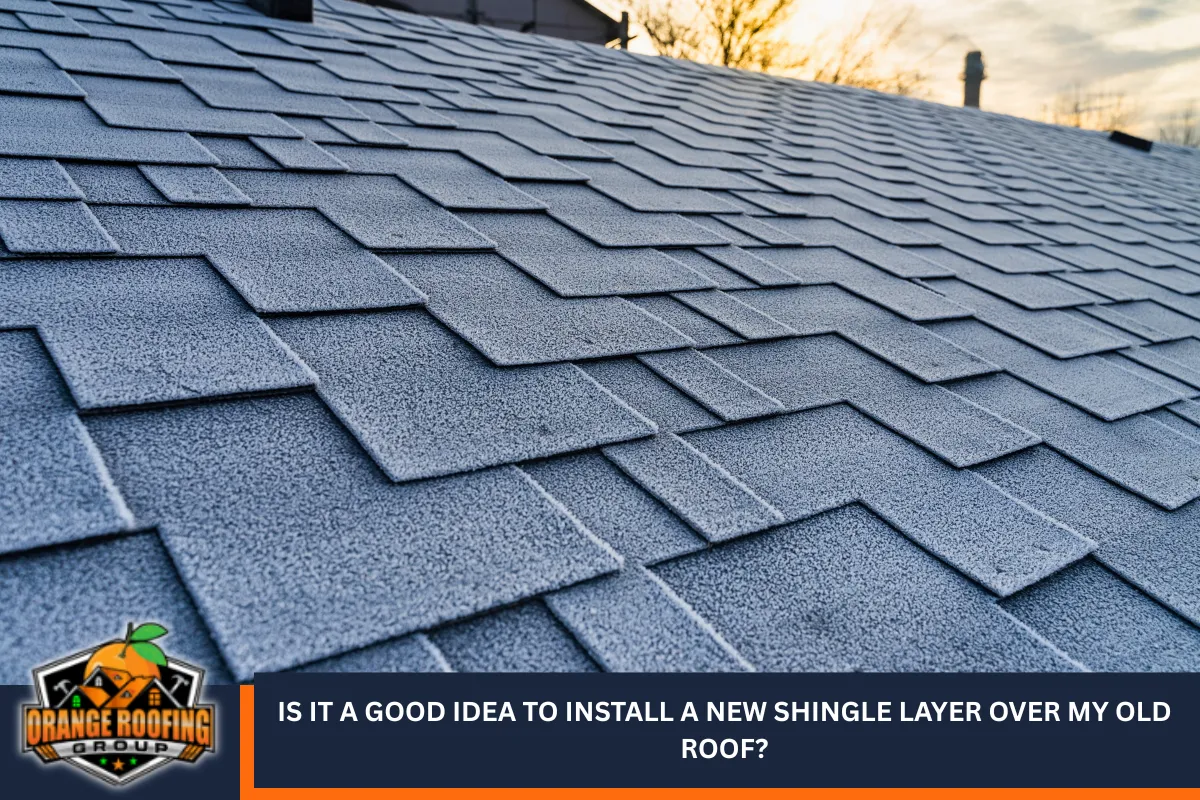
NYC building code generally limits roofs to a maximum number of layers, and many Staten Island homes already have one existing asphalt shingle layer from previous work. While overlaying can save on tear-off costs and shorten installation time, the downsides often outweigh the savings. Added weight stresses your home’s structure, underlying moisture or defects get trapped beneath new materials, and inspecting the roof deck for rot becomes impossible. Manufacturers may also limit warranty coverage when shingles are installed over multiple layers, reducing your long-term protection. Before deciding, have a roofing contractor inspect your current roof and framing to determine whether a full tear-off and new roofing system is the better investment for your situation.
How often should I schedule professional inspections for my asphalt shingle roof?
Staten Island homeowners should schedule at least one professional roof inspection annually, preferably in spring or fall when weather conditions allow safe, thorough access. Additionally, arrange inspections after major weather events: strong coastal storms, hail, falling tree branches, or any visible damage observed from ground level. Comprehensive inspections should cover the roof surface, all flashing points, gutters and drainage, skylights, and attic space to catch hidden leaks or ventilation problems early. Documentation from regular inspections supports warranty claims if problems develop and provides valuable reassurance for potential buyers if you sell your home. Between professional visits, conduct your own visual checks from the ground after storms—just avoid climbing onto the roof yourself.
Can improved attic ventilation really extend the life of my shingles?
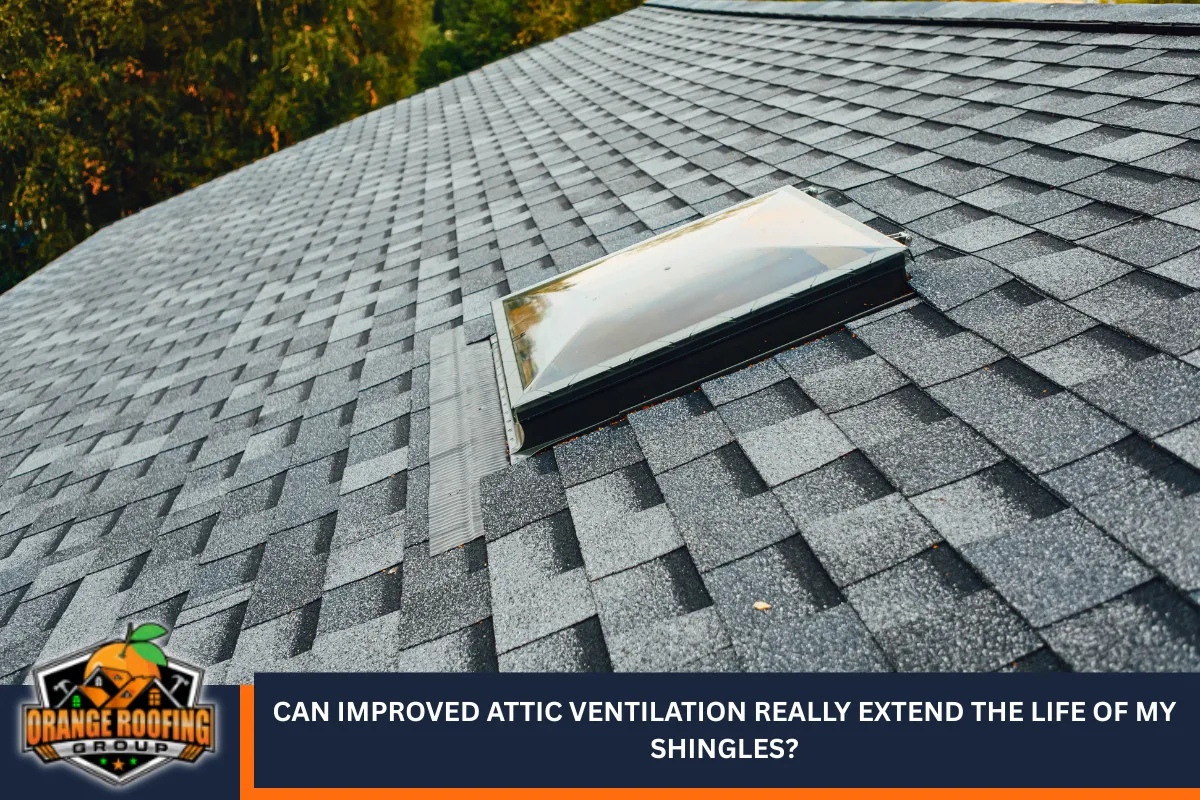
Proper attic ventilation removes excess heat and moisture that would otherwise damage asphalt shingles from below and promote mold growth on rafters and sheathing. During Staten Island’s humid summers, a hot, stagnant attic can significantly accelerate granule loss and shingle curling—effectively cooking your roof from the inside. In winter, adequate ventilation reduces the temperature difference between the roof deck and outdoor air, limiting ice dam formation along eaves. Effective ventilation systems balance intake through soffit vents with exhaust through ridge or roof vents, meeting local code requirements for net free vent area. Before adding powered attic fans, consult a roofing contractor or building professional—improperly sized fans can create negative pressure that pulls conditioned air from your living space, increasing energy costs without the intended benefits.
What should I ask a roofing contractor before hiring them for a replacement?
Start with verification questions: request copies of their NYC contractor license, liability insurance, and workers’ compensation coverage. Ask about their experience with asphalt shingle roofing specifically on Staten Island and their familiarity with current building codes for coastal areas. Get details on which shingle brands and underlayments they use, how they handle flashing at penetrations and walls, and what workmanship warranties they provide beyond manufacturer material coverage. Request local references or photos from recent projects, plus a detailed written estimate outlining all materials, tear-off procedures, disposal methods, and site cleanup expectations. Ask how they handle permits, what the expected project duration is, and how they protect landscaping and neighboring properties during construction. Compare multiple bids based on clarity, communication quality, warranty terms, and overall professionalism—not just price alone.
Article Disclaimer: This article provides general educational information about asphalt shingle roofs on Staten Island and does not constitute legal, structural, or professional engineering advice. Building codes, regulations, and product specifications change over time; readers should verify current requirements with local authorities and licensed roofing contractors. Roof lifespan estimates are approximate, and actual performance varies based on materials, installation quality, maintenance, and environmental conditions. Always obtain site-specific evaluations and written proposals before starting roofing work or making significant financial decisions.