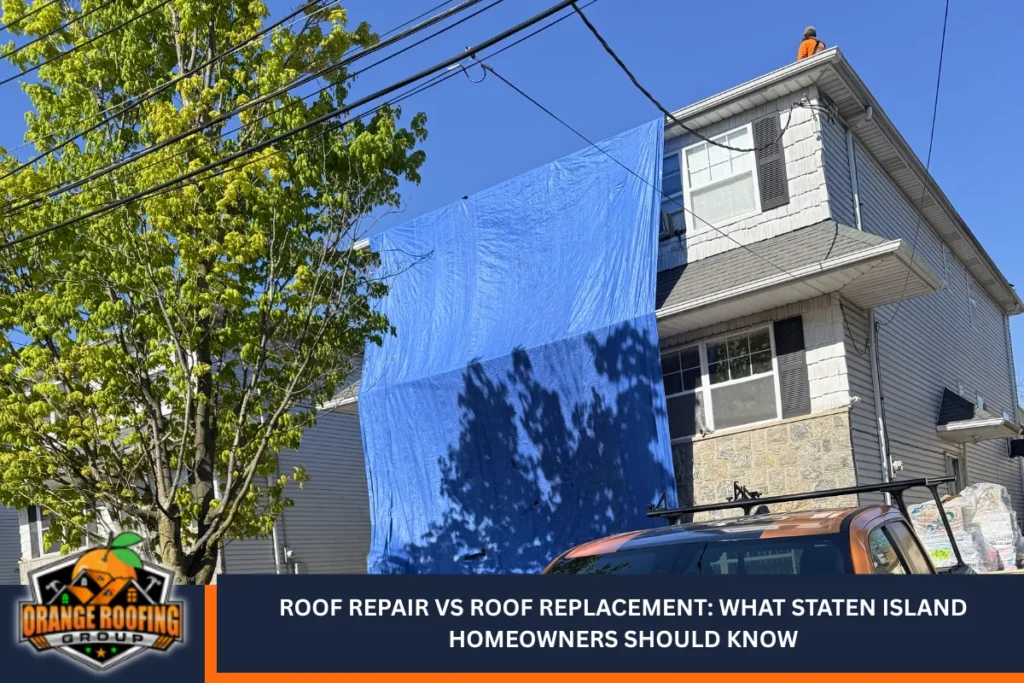
Roof Repair or Replacement: The Question Every Staten Island Homeowner Faces
Roof repair or roof replacement is a decision every Staten Island homeowner eventually confronts, especially after another brutal storm season batters our coastal community. You notice the water stain spreading across the ceiling, the shingles scattered in the yard, and suddenly wonder whether a quick fix will hold or if you’re looking at something bigger.
Here’s the problem: ignoring these warning signs invites mold growth in humid attics, damaged insulation driving up energy bills, and structural issues that compound with every rainfall. Patchwork roof repairs might buy time, but they rarely address underlying decay.
The solution? Understanding clear criteria that distinguish when professional roofing repair makes sense versus when a full roof replacement is the smarter, safer long-term investment for your home and family.
Key Takeaways
- Timely roof repairs extend roof life by 5-10 years for roofs under 15 years old with localized damage, but full roof replacement becomes necessary once leaks are widespread, shingles are failing across more than 25-30% of the surface, or the roof exceeds 20-25 years of age.
- Staten Island’s coastal climate—with salt air, high winds averaging 12-15 mph, and heavy storms—accelerates shingle degradation by 15-20% compared to inland areas, making regular inspections essential.
- If repair costs exceed 30% to 50% of the total replacement price, it is often more economical to replace the roof entirely.
- A professional roofing contractor’s inspection and a written, itemized free estimate are essential before deciding which option protects your home and budget best.
- Choosing reputable local roofers in Staten Island, New York ensures code compliance, warranty protection, and quality roof installation that withstands coastal conditions.
How Staten Island’s Climate and Building Codes Affect Your Roof
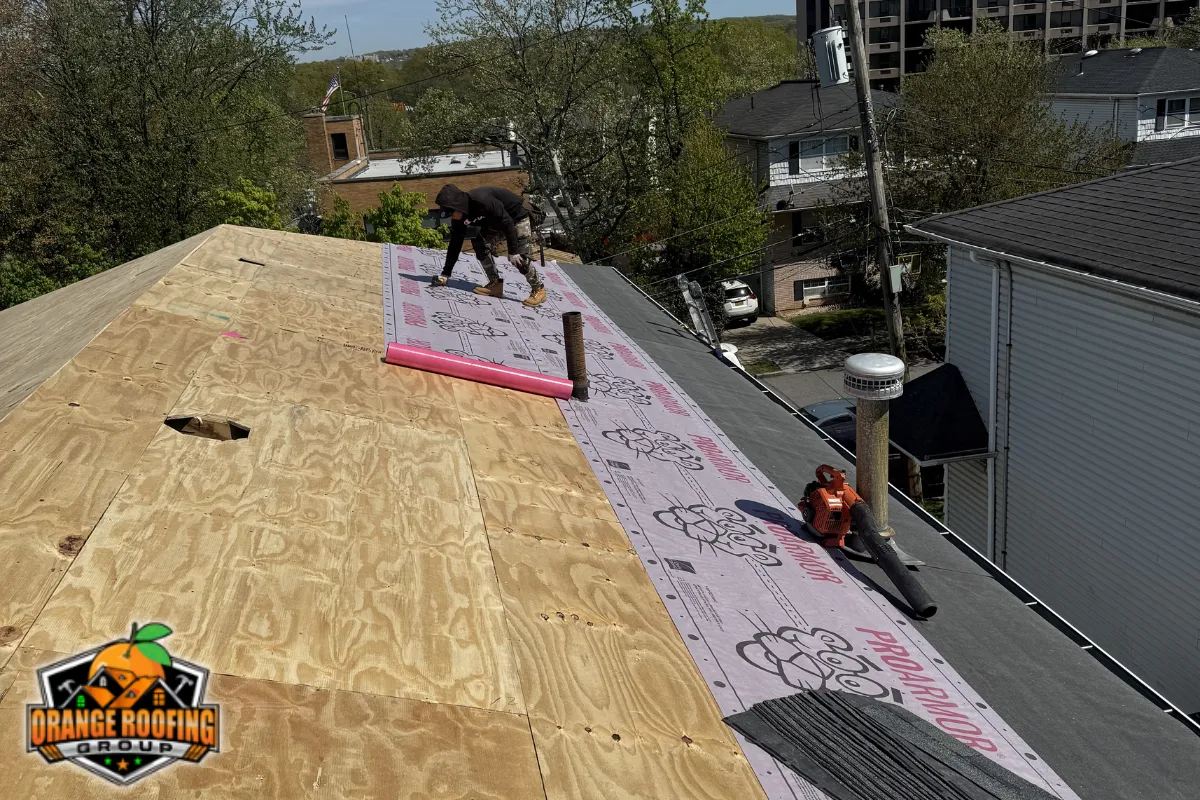
Staten Island’s position in New York Harbor creates unique challenges for every roofing system. The decision between roof repair and replacement often hinges on local factors like weather patterns and building regulations that accelerate wear beyond what homeowners expect.
Consider what your roof endures year-round:
- Salt air exposure: Coastal roofs are affected by environmental stressors such as salt air and freeze-thaw cycles, which can lead to issues like ice dams and deteriorating sealants. High winds and salt air in coastal climates can accelerate metal corrosion and shingle damage, making regular inspections vital.
- Wind stress: Average winds reach 14 mph with gusts exceeding 100 mph during hurricanes and nor’easters
- Freeze-thaw cycles: Staten Island experiences 50+ annual freeze-thaw cycles that crack flashing and compromise seals
- Heavy precipitation: Annual rainfall of 46 inches, including driving storms that test every seam and valley
- Snow loads: 25-30 inches of average annual snowfall burdens flat roofs and stresses structural integrity
Staten Island’s coastal, windy, and cold climate causes roofs to experience extreme stress, leading to problems like algae and mold growth that further deteriorate materials.
New York City Building Code sets specific standards for roofing materials, wind uplift resistance (110-140 mph for Zone 2), and proper roof installation. Asphalt shingles need ASTM D7158 Class H ratings to meet local requirements. In NYC, replacing more than 25% of a roof within 12 months requires a work permit. The NYC Department of Buildings requires a full replacement if there are already two layers of shingles.
Smaller roof repairs under $5,000 may be permit-exempt but must still comply with code and manufacturer guidelines. Work with licensed local roofers familiar with Staten Island’s DOB requirements to avoid violations that void warranties and create insurance headaches.
Common Roof Problems on Staten Island Homes
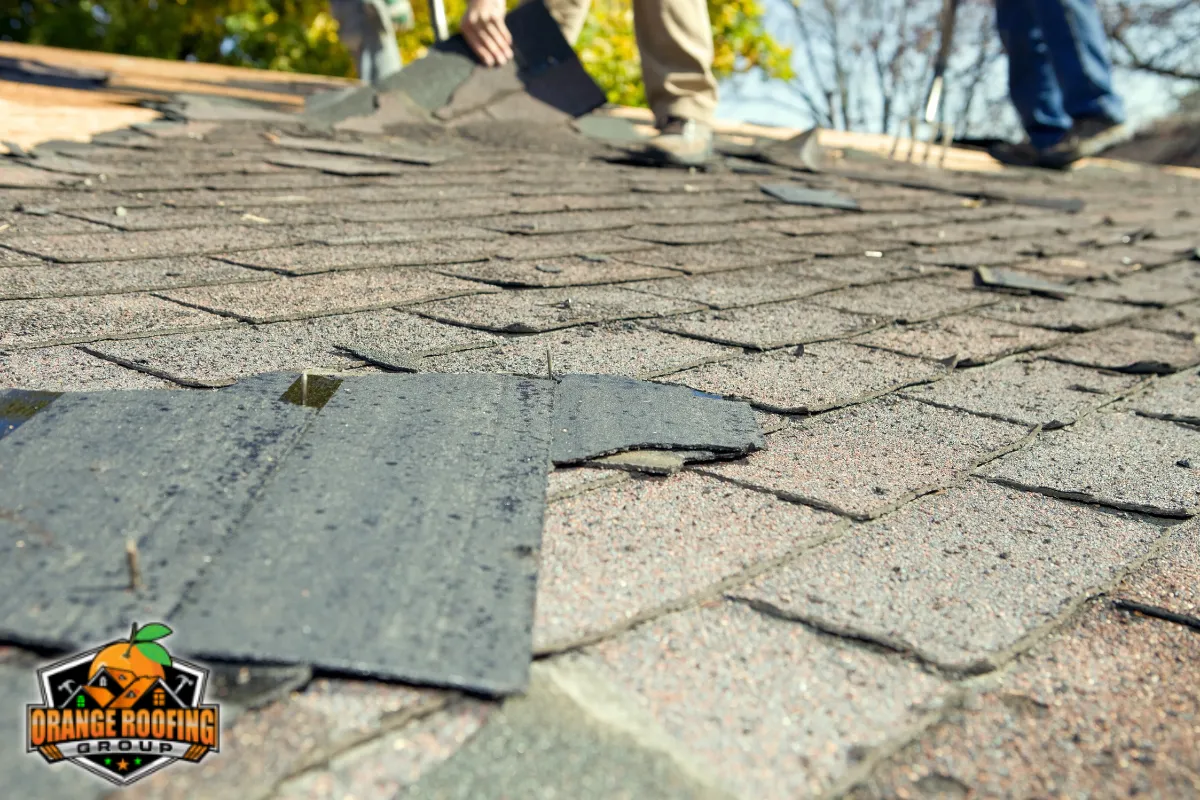
From Tottenville’s flood-prone lowlands to St. George’s wind-exposed hillsides, Staten Island neighborhoods face distinct roofing challenges. A roof inspection is crucial before deciding between repair and replacement, as it helps identify the extent of damage and the best course of action.
Asphalt shingle issues dominate service calls across the borough:
- Missing or curled shingles after 40+ mph gusts
- Granule loss exceeding 25% of shingle surface (signaling replacement need)
- Exposed nail heads from thermal expansion
- Cracked flashing around chimneys and skylights
Flat roof problems plague row homes, small multifamily buildings, and garages built between 1930-1960:
- Ponding water causing 40% of flat roofing failures
- Blistering from moisture trapped in bitumen layers
- Open seams and membrane punctures
- Failed drainage systems
Leak-prone areas include valleys (responsible for 50% of leaks), roof-to-wall intersections, vent pipes with failed boots, and masonry chimneys where improper flashing or aged sealant allows water intrusion.
Signs of significant damage include sagging roofs, persistent leaks, and water stains on ceilings, indicating the need for roof inspection for potential replacement. Roofs installed in the late 1990s and early 2000s are now reaching 25-30 years—well beyond the 20-year expectancy for many 3-tab shingle roofs in coastal environments.
When Roof Repair Makes Sense for Staten Island Homeowners
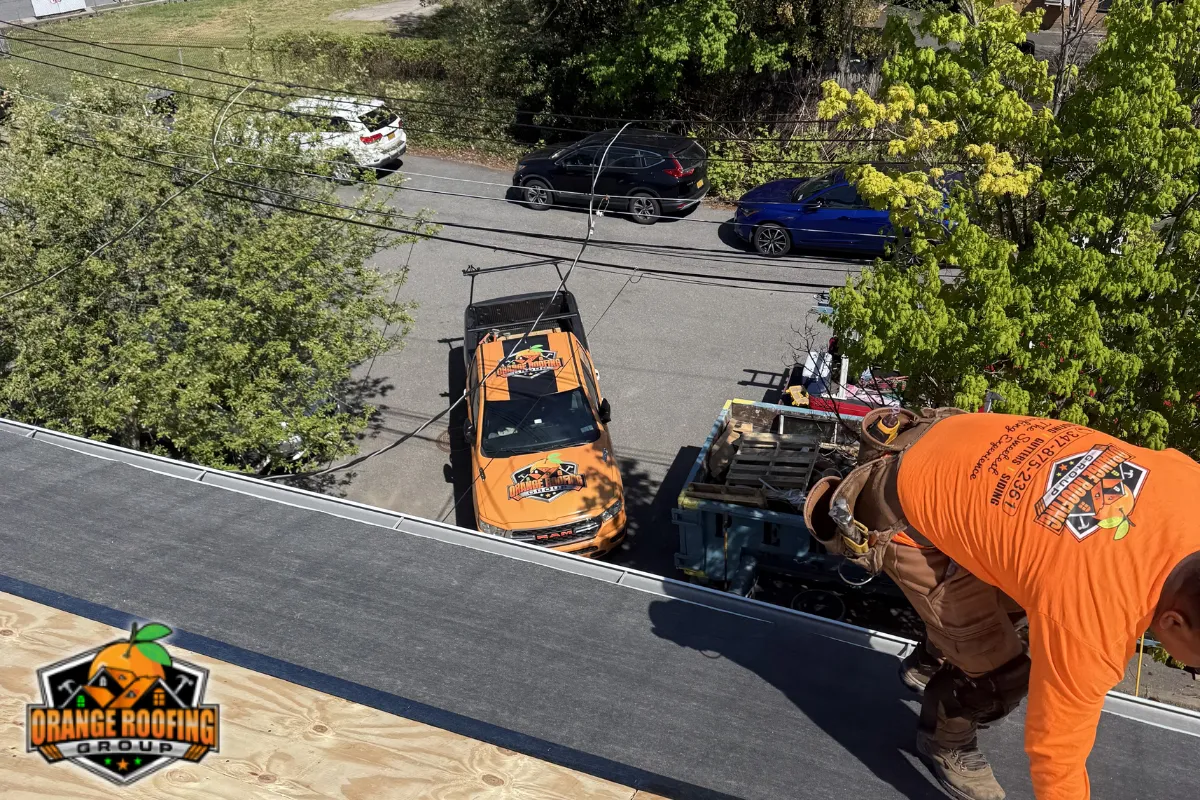
Targeted roofing repair often represents the most economical choice for younger roofs or localized damage. Repairs are generally suitable for roofs under 15 years old with damage localized to specific areas. Roof repair is often a more cost-effective solution for minor issues, while roof replacement is necessary for extensive damage or aging roofs that cannot be effectively repaired.
Consider repair services when facing:
- 5-10 missing shingles after a windstorm ($300-800 typical cost)
- A single isolated leak from a cracked vent boot ($400-600)
- Minor flashing damage around vents or chimneys ($500-1,200)
- Small leak affecting one area without spreading
Localized damage repairs are ideal if the cost is less than 30%–50% of a full replacement. For flat roofs, professional contractors can patch punctures, reseal seams, and correct small drainage issues at $10-15 per square foot—avoiding premature replacement on newer membranes.
Timely repair services extend roof life by 5-8 years and preserve manufacturer warranties when performed by qualified roofing companies using approved materials. After Hurricane Sandy in 2012, many Staten Island homeowners saved 60% compared to full replacement through strategic, targeted repairs.
Before approving any job, ask your roofing contractor for before-and-after photos, a written scope of work, and realistic expectations for how long the repair will last.
Signs It’s Time for Full Roof Replacement Instead of Patching
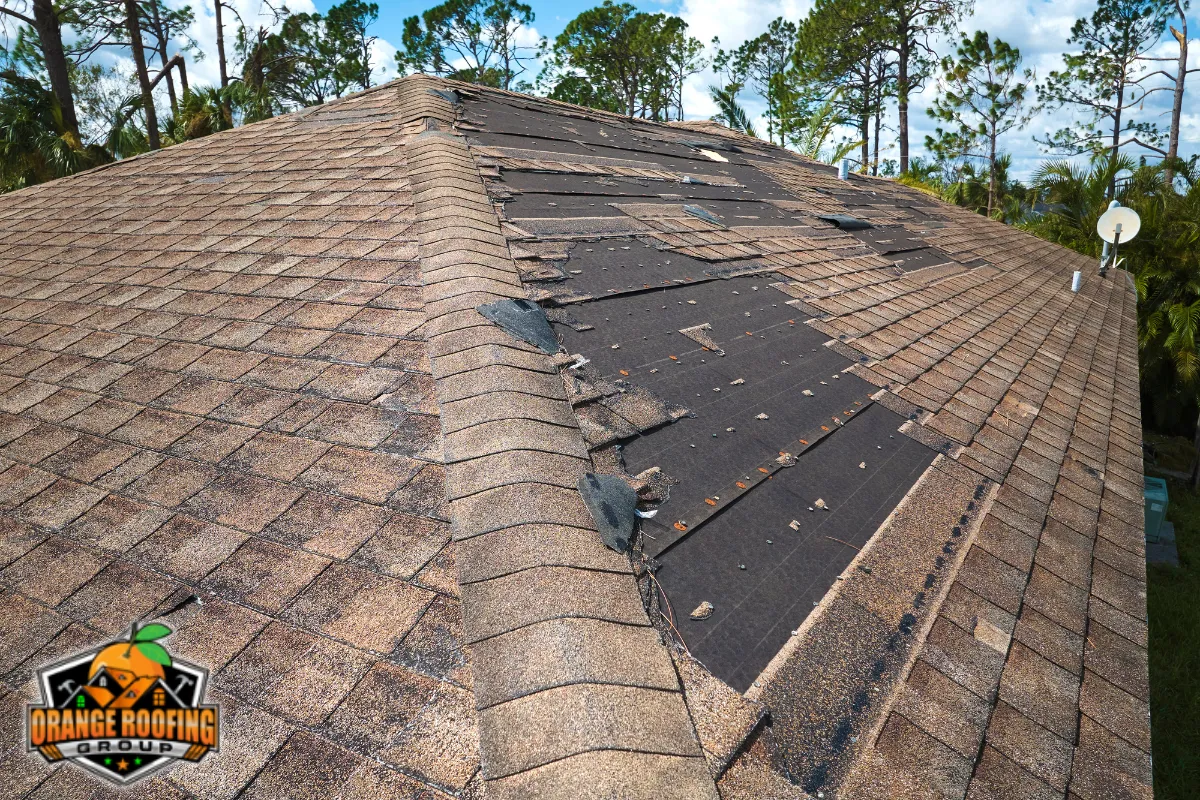
At a certain point, frequent roof repairs become more expensive than a planned roof replacement. Homeowners should consider the age of their roof and the severity of the damage when deciding whether to repair or replace their roof, as repairs may only be a temporary fix for older roofs.
Visual warning signs demanding replacement consideration:
- Widespread shingle curling or buckling across multiple sections
- Bald spots where asphalt granules have worn away (more than 25% loss)
- Large areas of cracked, brittle, or missing shingles
- Multiple previous patches creating a patchwork appearance
Interior clues revealing deeper problems:
- Recurring ceiling stains appearing in different rooms
- Moldy odors in the attic indicating moisture intrusion
- Wet or compressed insulation losing R-value
- Visible daylight through roof deck boards
Persistent leaks or visible damage can indicate the need for a full roof replacement rather than repairs. Different roofing materials have different lifespans; for example, asphalt lasts around 15–30 years. Most asphalt shingle roofs in New York reach 20-25 years in coastal conditions, so roofs installed before 2005 are prime candidates for a new roof.
Structural red flags requiring immediate attention:
- Sagging roof lines visible from ground level
- Soft spots when walking on the roof surface
- Significant sheathing rot discovered during inspection
Replacement is recommended when the roof’s integrity is compromised or approaching the end of its functional life. If more than 25% of a roof is damaged within 12 months, a full replacement is often mandated by insurance in New York. Consider coordinating a full roof replacement with other exterior renovations like new siding or masonry services for potential savings of 20% on combined projects.
Comparing Costs: Roof Repair vs Roof Replacement on Staten Island
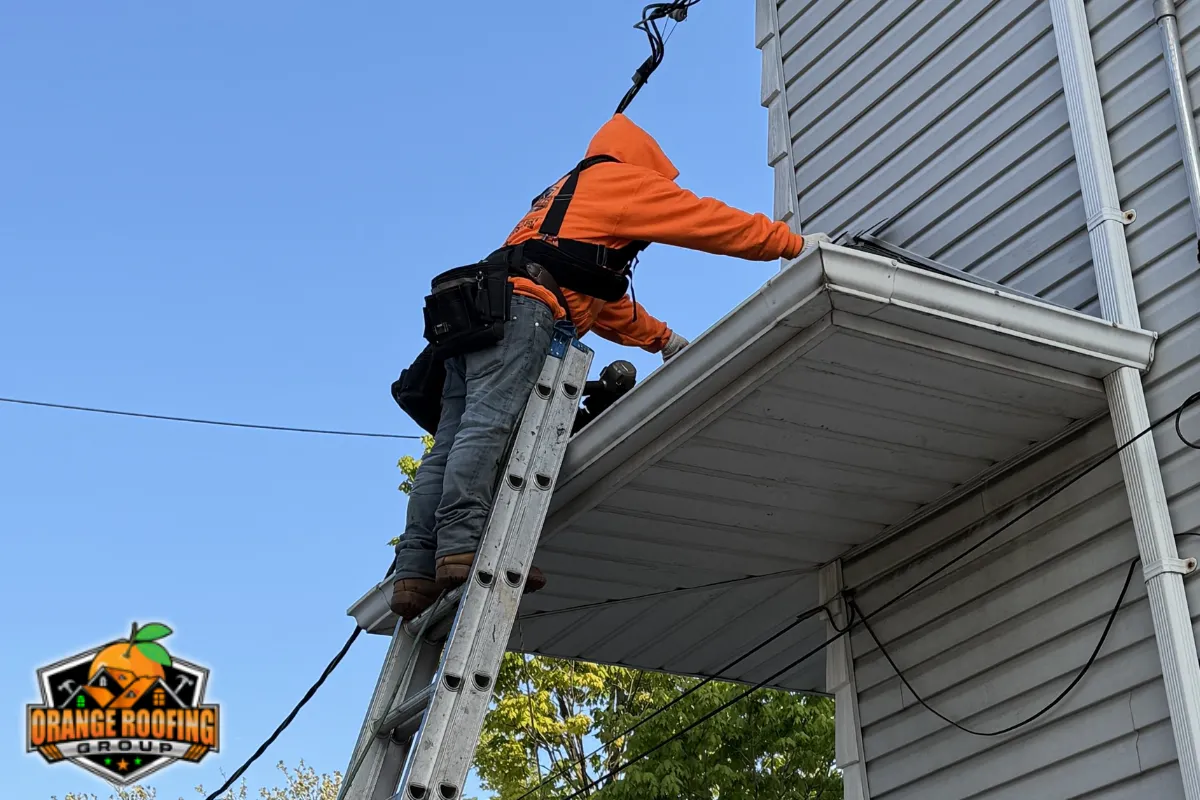
Cost decisions should look beyond the cheapest immediate option to long-term value and risk reduction. Average roofing costs in New York range from $75 to $150 per hour, with common jobs including roof installation costing between $9,760 and $30,500.
Repair cost ranges:
| Service Type | Typical Cost Range |
| Minor repairs | $300-$2,000 |
| Average repair | $379-$1,758 |
| Flat roof repair | $366-$1,830 |
| Emergency services | 1.5-2x regular rates |
Flat roof repair costs in New York typically range from $366 to $1,830, depending on the extent of the damage and the materials used. Emergency roofing services in New York usually cost 1.5 to 2 times the regular rates, reflecting the urgency and additional resources required for such jobs.
Replacement cost factors:
- Roof size (1,500-2,000 sq ft average for Staten Island homes)
- Pitch steepness (steep roofs add 20% to labor)
- Number of layers requiring tear-off (+$2/sq ft for multi-layer removal)
- Material choice ($8-15/sq ft asphalt, $15-25 flat roofing)
A full roof replacement can increase a Staten Island home’s value by nearly $4,500, with industry data showing 60% cost recoup on replacements in the Northeast region. Compare a 5-year outlook: projected $4,500+ in cumulative repairs versus $15,000-25,000 one-time investment with manufacturer warranties lasting 30-50 years and workmanship guarantees of 5-10 years.
Request a free estimate from local roofers that includes both repair and replacement options so you can weigh numbers side by side.
Read How Much Does Roof Repair Cost on Staten Island?
How Professional Roof Inspections Guide the Right Decision
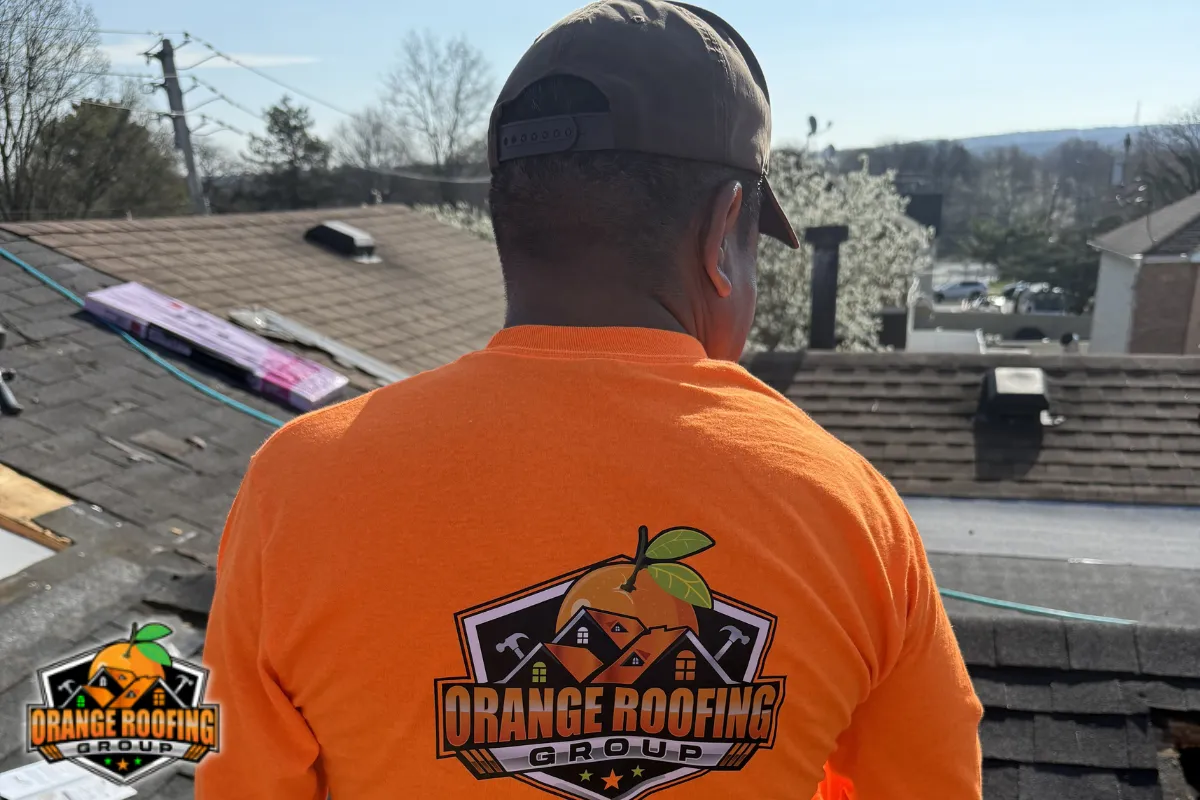
A comprehensive roof inspection by roofing contractors includes examining structural support, roofing material stability, and checking for signs of damage to ceilings or walls. This detailed evaluation separates necessary repairs from situations requiring complete replacement of the entire roof.
What thorough inspections cover:
- Exterior walk-around assessing visible damage
- Rooftop evaluation of shingles, membranes, and penetrations
- Attic check with moisture meter readings (detecting 15%+ moisture content)
- Thermal imaging to locate hidden leaks
- Photo documentation for insurance and records
Components examined:
- Shingles or membrane condition
- Underlayment saturation levels
- Flashing around vents, chimneys, and skylights
- Gutters, soffits, and fascia
- Masonry condition around chimney penetrations
- Ventilation adequacy (1/150 ratio standard)
Reputable roofing contractors identify both visible damage and hidden issues—poor previous roof installation, inadequate ventilation, or code violations—that affect your decision. Studies show 50% of roof problems involve hidden issues, and 40% of older roofs have undetected deck rot from poor venting.
Request an itemized report separating urgent repairs, necessary maintenance, and long-term recommendations. Seek second opinions if a contractor pushes immediate roof replacement without showing specific evidence of widespread failure—approximately 20% of contractors recommend unnecessary work.
Roofing Materials and Options for Staten Island Homes
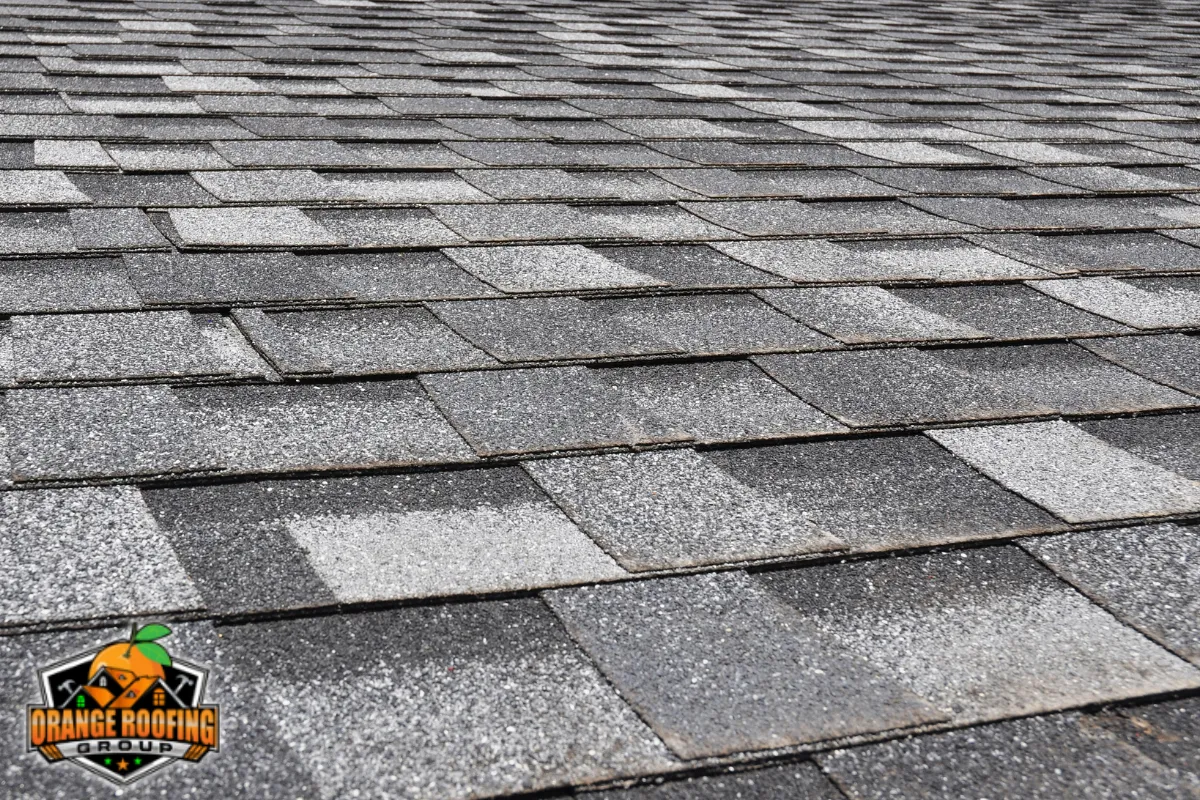
Material choice affects durability, cost, appearance, and suitability for Staten Island’s demanding coastal climate. Roofing contractors typically offer a range of services, including flat roof installation, shingle roof installation, and emergency repairs, to address various roofing needs.
Asphalt shingle options:
| Type | Lifespan | Cost/Sq Ft | Best For |
| 3-tab | 20 years | $3-5 | Budget-conscious |
| Architectural | 30-50 years | $5-8 | Most homes |
| Impact-resistant | 30+ years | $7-10 | Storm-prone areas |
Asphalt shingles are one of the most common roofing materials used in residential roofing due to their affordability and ease of installation. Wind-rated options from major manufacturers withstand 130-150 mph gusts—essential for New York roofers working in coastal zones.
Flat roofing choices for residential and commercial properties:
- EPDM rubber (30-50 years, $7-12/sq ft, flexible)
- TPO membrane (20-35 years, reflects 80% solar energy)
- Modified bitumen (20-30 years, proven performance)
Flat roofing is a popular choice for both commercial and residential buildings, requiring specific materials and maintenance to ensure they remain watertight. Slate and clay tile are durable roofing materials that can last over 100 years, making them a long-term investment for homeowners seeking premium exteriors.
Color selection affects energy performance—lighter shingles and reflective flat roofs reduce heat gain 15-25% during summer months. When planning a new roof, discuss compatibility with other exterior renovations like new gutters, updated siding, or stucco work.
Working with Local Staten Island Roofers You Can Trust

Hiring qualified, insured local roofers rather than chasing the lowest bid protects your investment and prevents costly mistakes. Roofing contractors are essential for maintaining the integrity of residential and commercial properties, as they provide services such as roof inspections, repairs, and installations.
Selection criteria for roofing companies:
- NYC DOB licensing (verify HIC# through city database)
- Active liability insurance ($1M+ minimum)
- Workers’ compensation coverage (verify through NY Office of Special Counsel)
- BBB accreditation with A+ rating preferred
- Minimum 5 years serving Staten Island, NY
Contract essentials:
- Detailed materials list with brand specifications
- Start and completion dates
- Maximum 10% deposit requirement
- Lien waiver provisions
- Cleanup responsibilities clearly stated
Understand the difference between manufacturer warranties (covering quality materials for 30-50 years) and workmanship guarantees (covering installation for 5-10 years). Both matter when replacing roofs or completing residential projects.
Ask for references from recent Staten Island jobs, especially for similar roof types—steep shingle roofs, flat systems, or mixed configurations. The best roofing companies welcome scrutiny and proudly share their extensive experience with local customers.
Avoid high-pressure sales tactics, door-to-door storm chasers (scam reports increased 30% after recent storms), and other contractors who refuse to pull permits when required. Fully licensed professionals never cut corners on compliance.
Planning Your Roof Project Timeline and Disruption
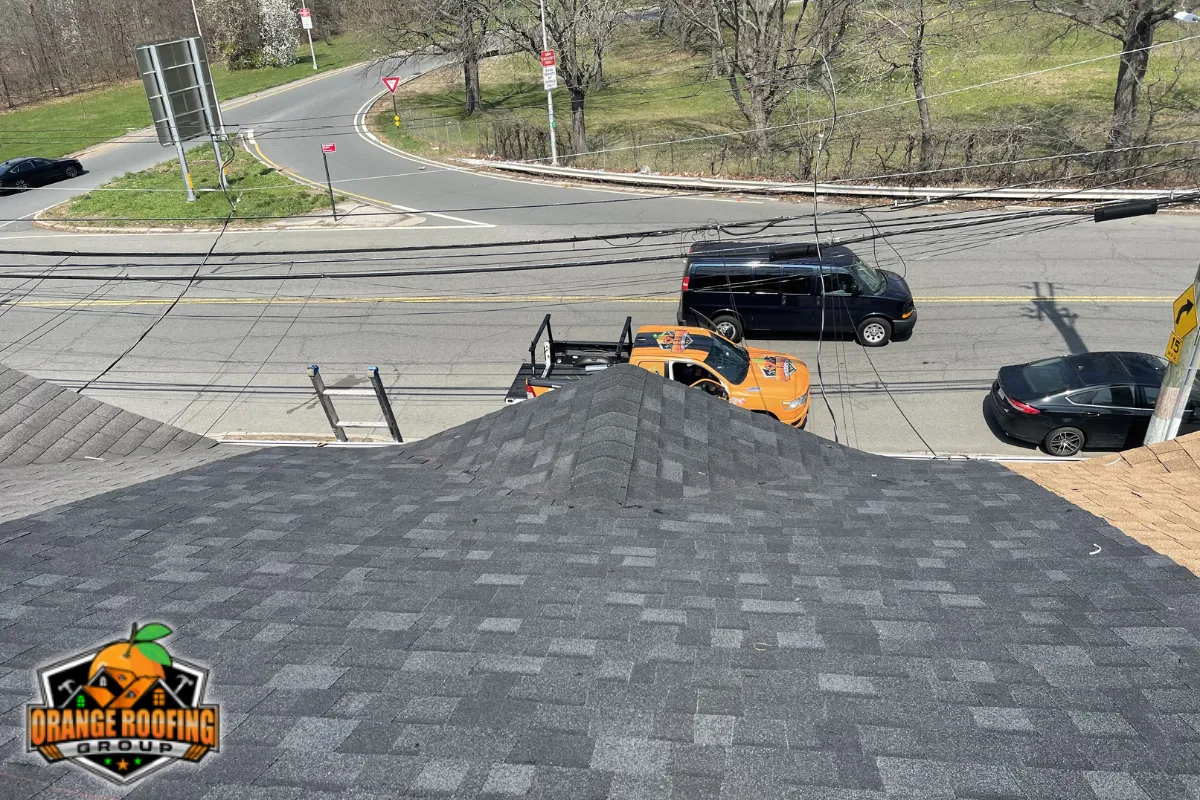
Understanding realistic expectations helps Staten Island homeowners prepare for roof repair or replacement projects without unnecessary stress.
Scheduling considerations:
- Peak season: April through October
- Fall (October) is considered the ideal season for roof replacement in NYC due to moderate temperatures that help shingles seal properly
- Emergency repair services available year-round for active leaks
- Permit approval: 7-14 days through DOB
Typical project durations:
| Project Type | Duration |
| Minor repairs | Same day |
| Major roof repairs | 1-2 days |
| Full replacement (1,700 sq ft) | 1-3 days |
| Complex or commercial project | 3-5 days |
Preparation steps:
- Move vehicles away from the house and driveway
- Protect landscaping with tarps near work areas
- Cover attic belongings with plastic sheeting
- Notify neighbors about temporary noise (8am-5pm)
Quality roofing services include daily cleanup with magnet sweeps for nails, debris removal, and final walkthrough inspection with the homeowner. Build time into your schedule for permit approvals and final inspections when planning larger roof installation or major exterior work.
Maximizing Roof Life After Repair or Replacement
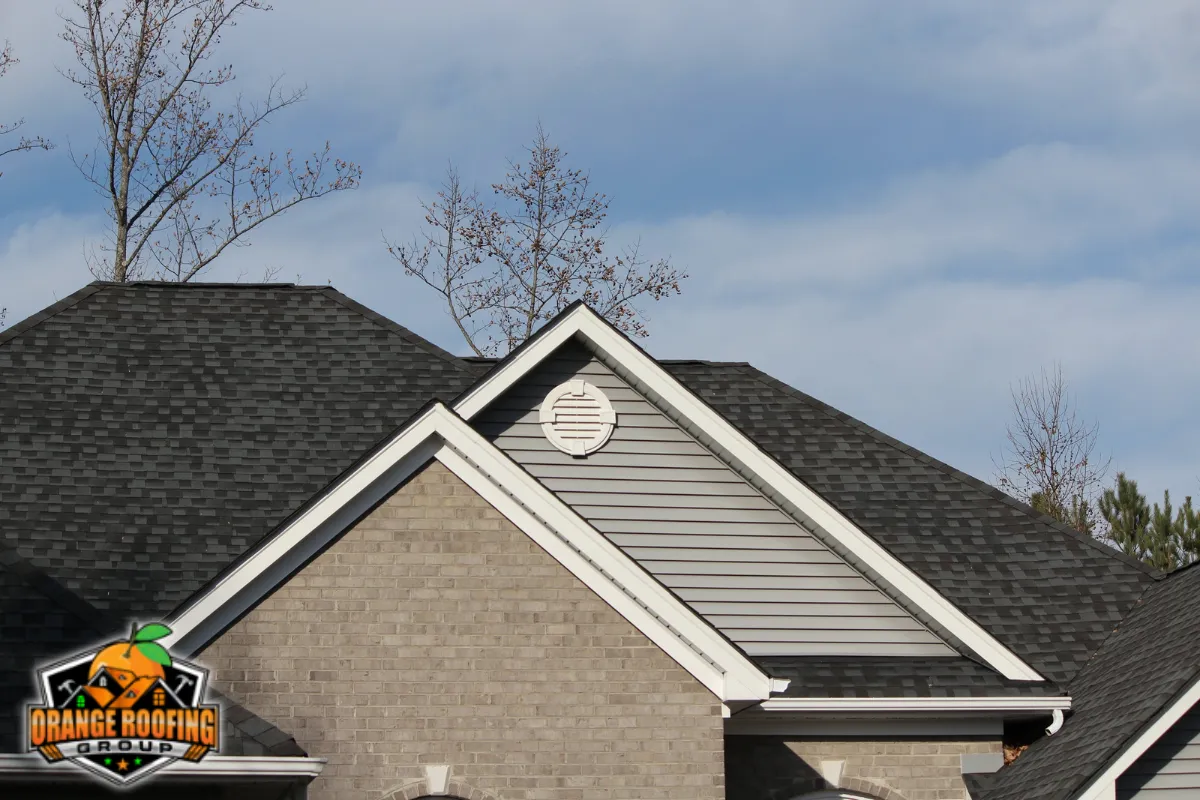
Whether you chose repair or full roof replacement, ongoing care protects your investment and prevents premature failure. Save money long-term through proactive maintenance rather than reactive urgent repairs.
Recommended inspection schedule:
- Professional inspection every 1-2 years
- Self-inspection after major storms
- Immediate attention to any visible changes
Maintenance tasks:
- Clean gutters twice yearly ($150 average professional cost)
- Check for loose flashing around penetrations
- Trim overhanging branches to prevent abrasion
- Keep flat roofing drains clear of leaves and debris
- Verify attic ventilation maintains proper airflow
Proper attic ventilation and insulation reduce ice dams, moisture buildup, and premature shingle aging—critical in Staten Island’s variable climate. Maintain records of all roof work including invoices, warranty documents, and inspection reports. This documentation supports warranty claims and adds 5-10% to resale value when selling your house.
Contact your trusted roofing contractor at the first sign of roof leaks or damage rather than waiting for problems to spread and require more extensive solutions.
Roof Repair and Replacement on Staten Island, NY – Orange Roofing Group
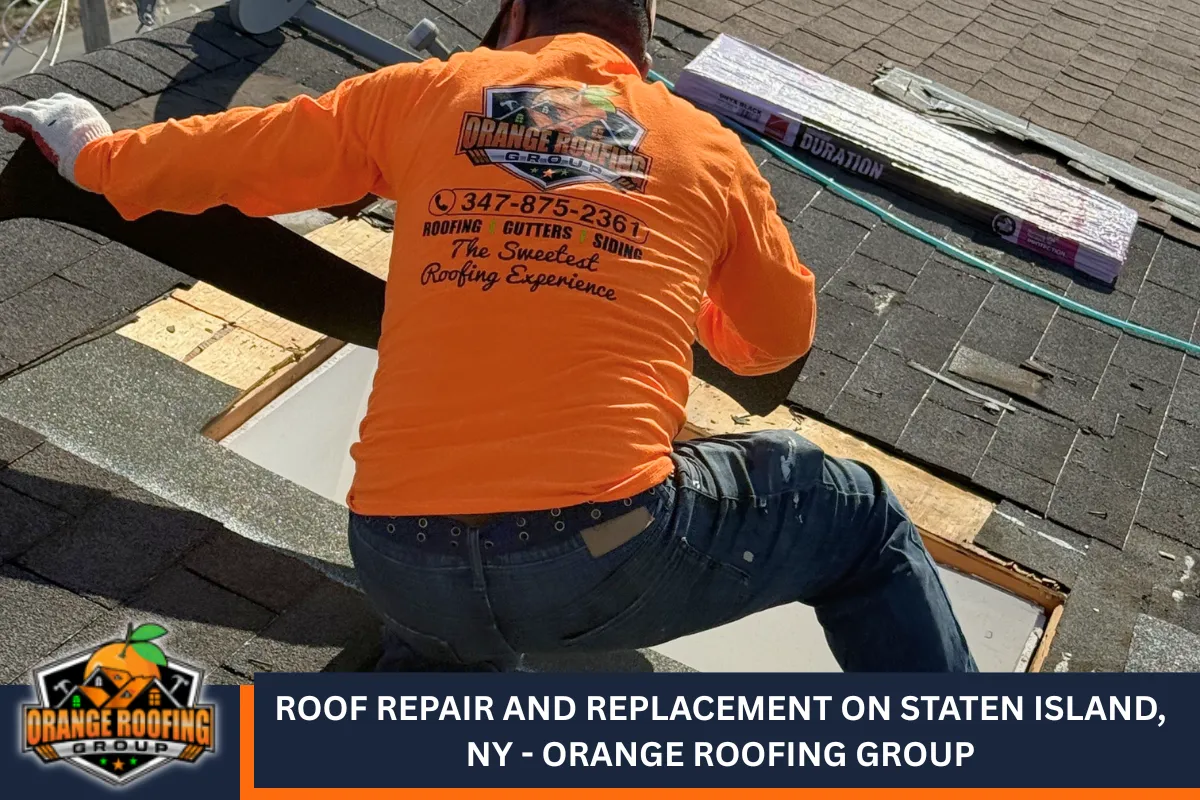
When you’re facing the roof repair vs roof replacement decision, we understand how overwhelming it can feel. At Orange Roofing Group, we’ve served Staten Island homeowners for over a decade with honest assessments and quality work that lasts.
Our team of roofing experts specializes in both shingle roofs and flat roof systems tailored to withstand Staten Island’s demanding coastal conditions. We handle everything from minor repairs to complete roof installation for residential and commercial properties—all performed by fully licensed professionals who know NYC building codes inside and out.
We provide comprehensive roofing services nyc homeowners trust: detailed inspections, transparent pricing, and workmanship backed by the strongest warranties in the industry. Every project receives hands on experience and attention to structural integrity.
Ready to protect your home? Call us at (347) 875-2361 for your free estimate, or fill out our contact form to schedule an expert inspection. Let Orange Roofing Group help you make the right decision for your roof and your family.
Frequently Asked Questions
How many layers of shingles are allowed on roofs in Staten Island?
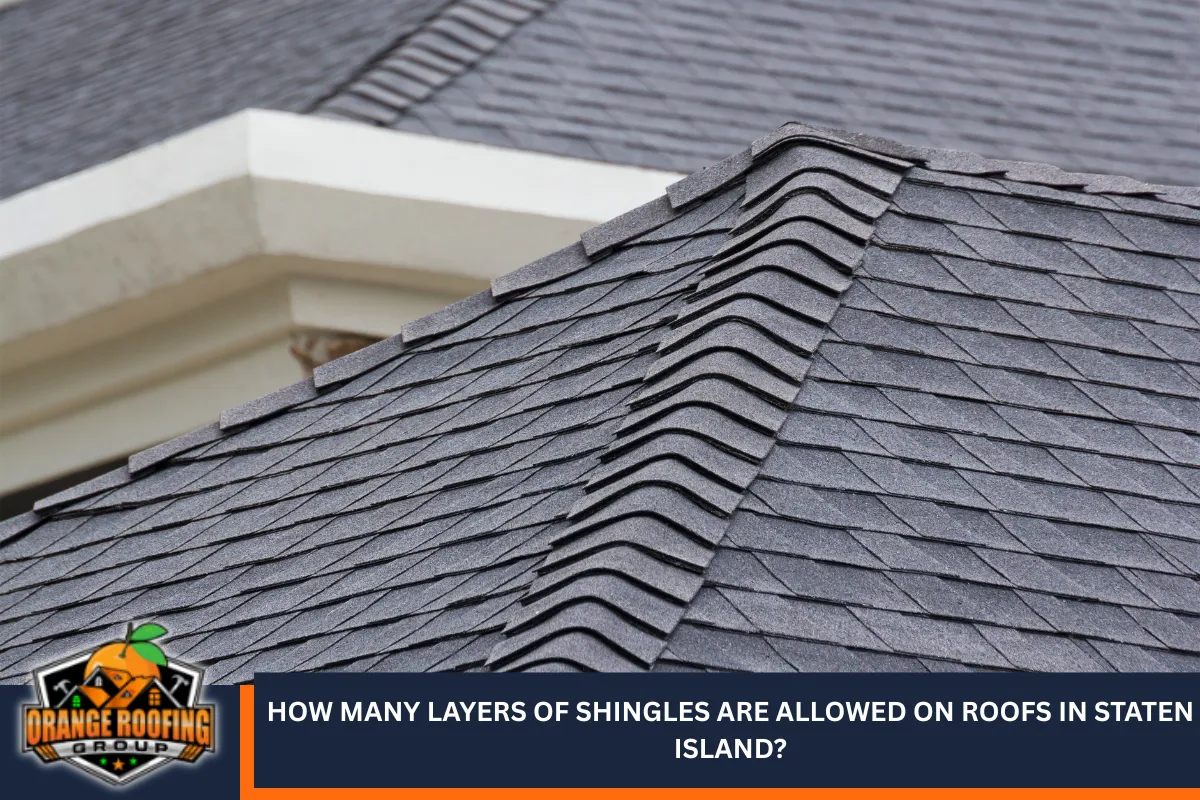
New York City Building Code generally limits asphalt shingle installations to two layers maximum. Many older Staten Island homes already have multiple layers from previous repairs or installations completed decades ago. The NYC Department of Buildings requires a full replacement if there are already two layers of shingles—this means complete tear-off before installing your new roof.
While adding a second layer costs less initially, tear-off actually provides significant advantages. Your roofing contractor can inspect the deck for rot, replace damaged sheathing, improve flashing details, and install modern underlayments with ice and water shield protection. These improvements dramatically extend your new roof’s performance in coastal conditions. Always ask your contractor how many layers currently exist and how this affects both project cost and long-term durability before signing any contract.
Can I replace just part of my roof instead of the whole thing?
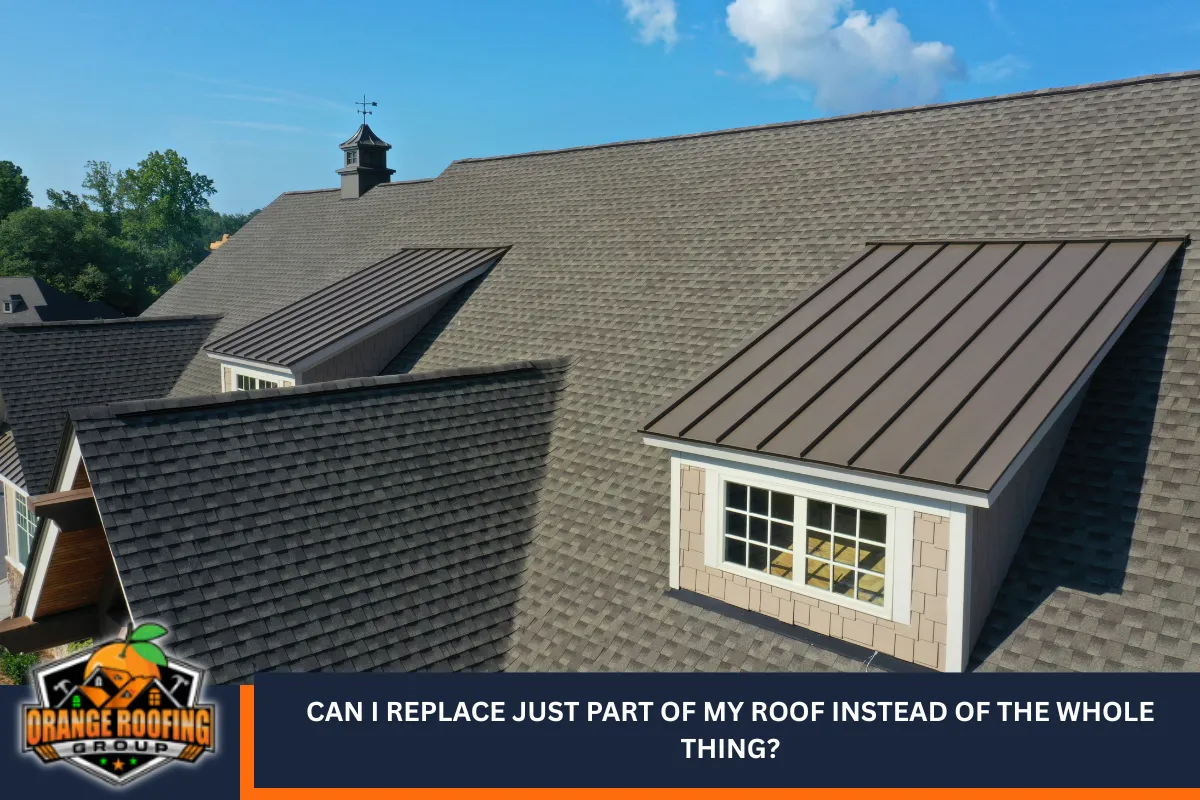
Partial roof replacement works in limited circumstances—typically when storm damage affects only one slope while the remainder shows minimal wear. This approach might make sense for roofs under 10 years old with otherwise excellent condition across unaffected sections.
However, partial replacement brings notable drawbacks. Color matching proves nearly impossible since manufacturers discontinue colors and shingles fade over time, creating visible patchwork. Uneven aging means the older section may need replacement within a few years anyway. Additionally, manufacturer warranties often become void or limited when mixing old and new sections. Building codes still require uniform installation standards across any new work. For roofs approaching 15-20 years, compare partial replacement costs against full replacement value—the math often favors replacing everything once to avoid multiple projects and disrupted warranties.
How do insurance claims typically work for roof damage in Staten Island?
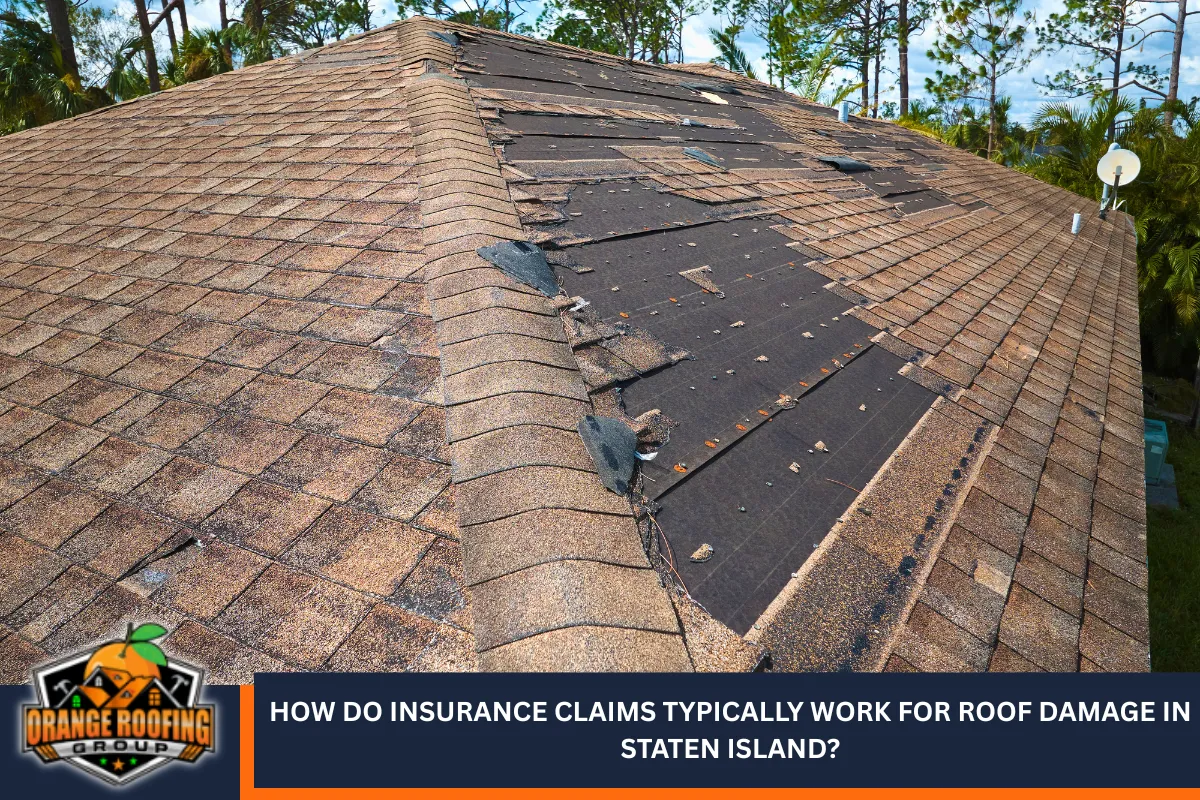
Start by documenting damage immediately after storms—photograph affected areas, collect fallen materials, and note the date and weather conditions. Contact your insurance company promptly, as most policies require notification within 30-60 days of damage occurring.
Your insurer will schedule an adjuster inspection to assess damage scope. Most policies distinguish between sudden storm damage (typically covered) and long-term wear or maintenance neglect (typically excluded). Request a detailed estimate from a reputable roofing contractor to compare against the adjuster’s assessment—significant discrepancies warrant discussion. Review your policy carefully for deductibles, coverage type (actual cash value depreciates for age while replacement cost covers new materials), and any roofing-specific exclusions. If more than 25% of a roof is damaged within 12 months, a full replacement is often mandated by insurance in New York, which may trigger full coverage depending on your policy terms.
What financing or payment options are available for a new roof?
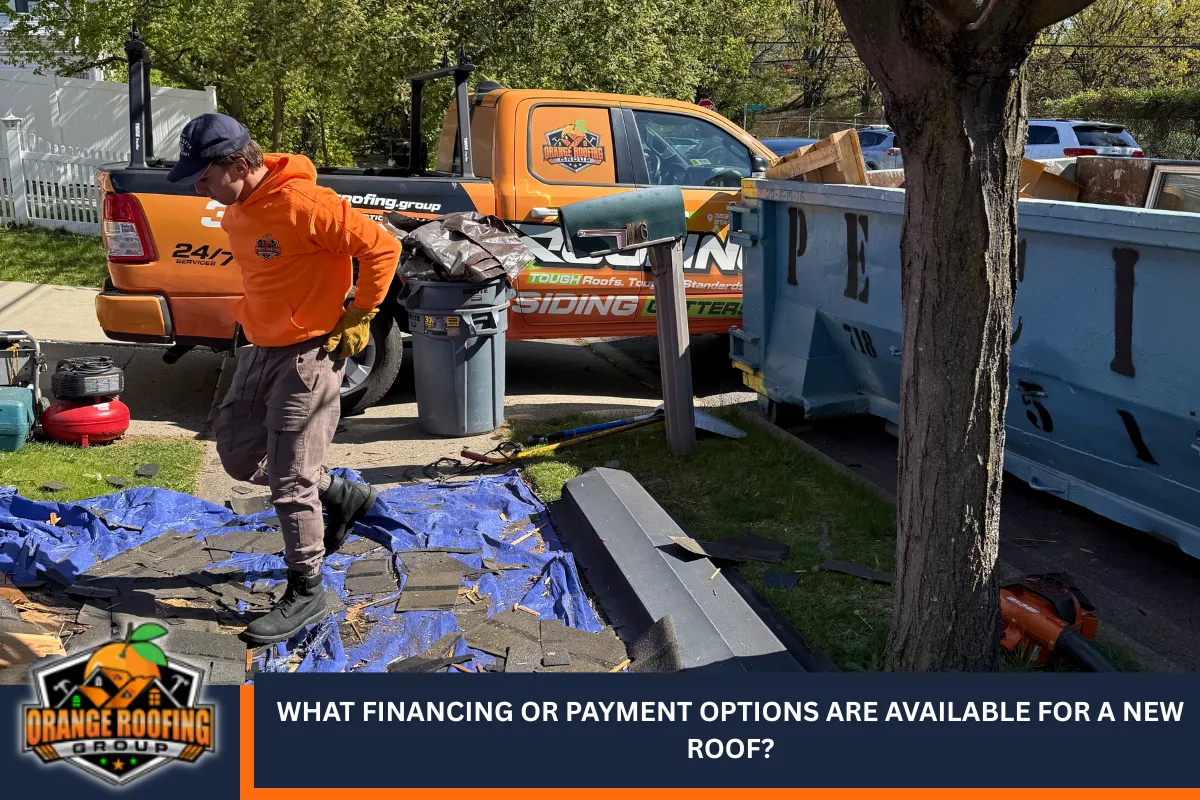
Staten Island homeowners typically fund roof replacement through several avenues: savings, home equity lines of credit (currently averaging 7-9% APR), personal home improvement loans, or contractor financing programs. Many established roofing companies partner with third-party lenders to offer fixed-term payment plans, often with promotional 0% interest periods of 12-18 months for qualified applicants.
Before signing any financing agreement, understand the total interest cost over the loan term, payment schedule requirements, and any prepayment penalties. Compare multiple offers—promotional rates sometimes include deferred interest that applies retroactively if not paid in full during the promotional period. While affordable monthly payments matter, prioritize working with reputable, insured contractors delivering quality materials over chasing the lowest payment option. A quality roof protects your investment; financing a substandard install creates bigger problems down the road.
How should I prepare my home before a major roof replacement?
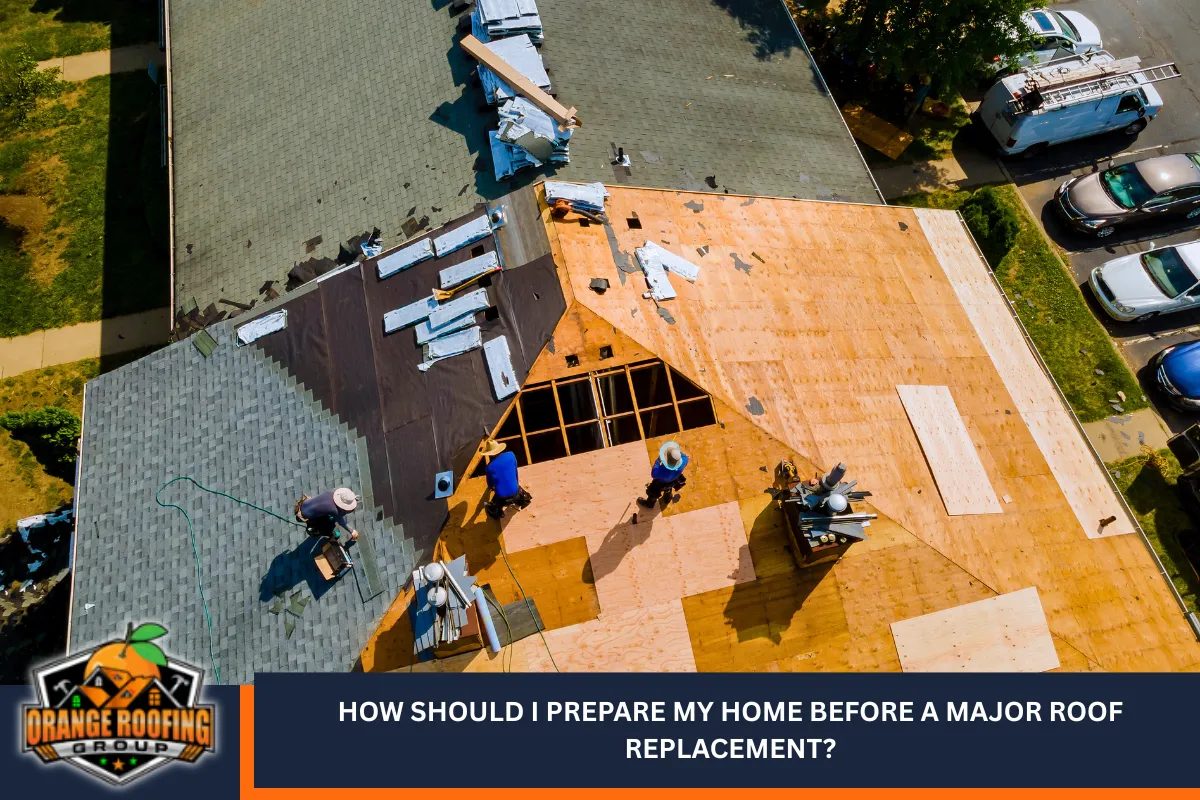
Interior preparation begins several days before work starts. Remove fragile items from walls and shelves below work areas—vibrations from tear-off can shake pictures loose. Cover attic belongings with plastic sheeting to protect against dust infiltration. If you work from home, plan for significant noise during the 8am-5pm work window, especially during tear-off day.
Exterior preparation includes moving all vehicles away from the house and driveway to allow equipment access and protect from falling debris. Secure or relocate patio furniture, planters, and lawn decorations. Cover delicate landscaping near the house with tarps. Discuss access routes, dumpster placement, and debris removal procedures with your roofing company beforehand. Confirm start times, expected duration, and communicate any special circumstances—pets requiring containment, children’s play areas to avoid, or medical equipment sensitivity to dust. Quality roofing service providers appreciate proactive homeowner communication and plan accordingly.
Disclaimer: This article provides general roofing information for educational purposes and does not constitute legal, engineering, or professional advice. Building codes, permit requirements, and insurance regulations change periodically. Staten Island homeowners should verify current requirements with the NYC Department of Buildings and consult licensed roofing professionals before beginning any roof work.